
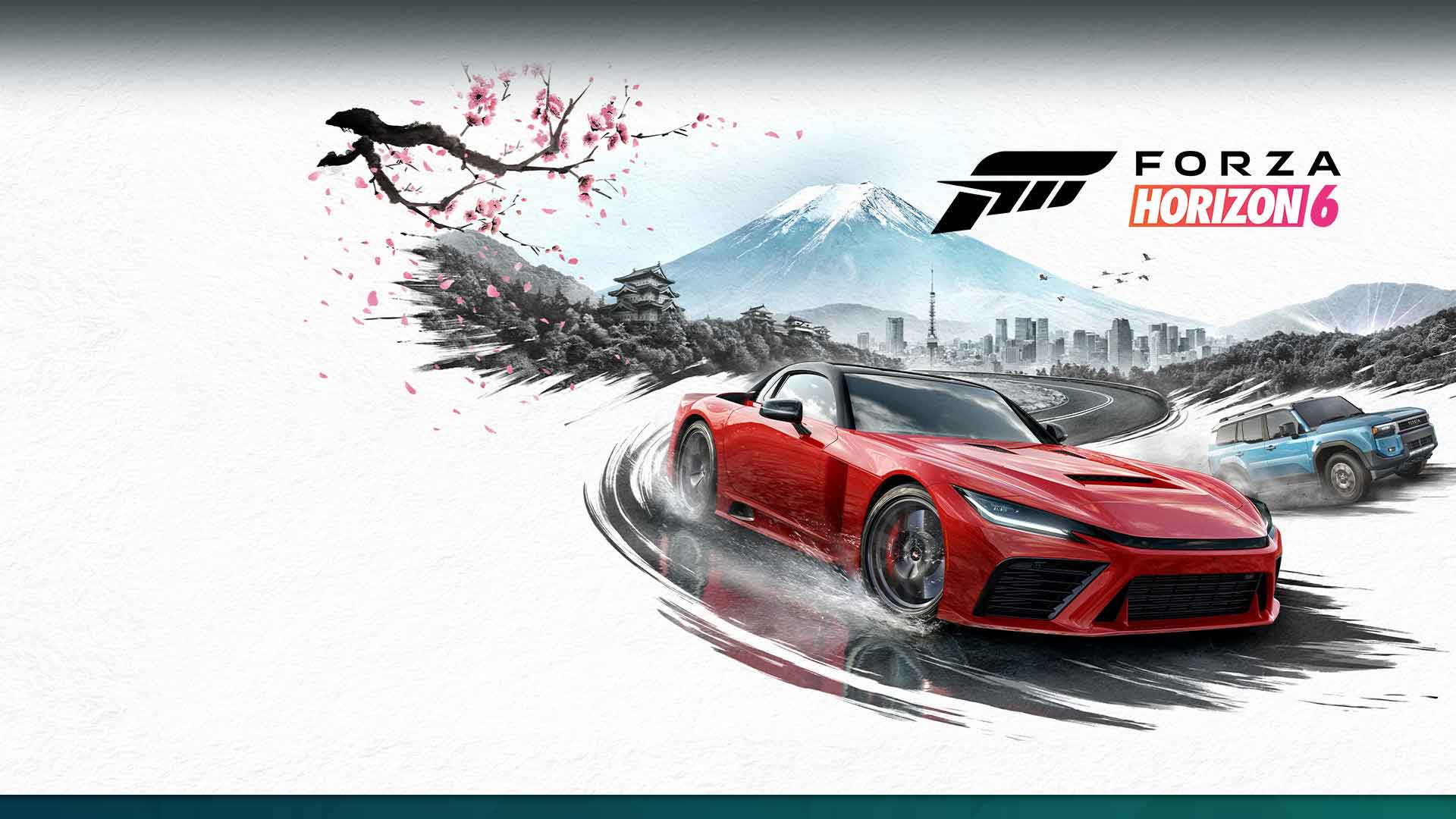
Forza Horizon 6: Forza Horizon 6 succeeds in doing something very few racing games manage to achieve — capturing the true spirit of car culture and the automotive scene. Its massive Japan-inspired map, incredible atmosphere, excellent soundtrack, outstanding engine audio, and enormous amount of content make it one of the most complete racing experiences in recent years. The game perfectly balances arcade fun with more serious driving mechanics, while also giving players the freedom to turn every car into a personal project build. Although the multiplayer still suffers from certain issues, Forza Horizon 6 feels like the peak of the Horizon franchise and easily stands as one of the best racing games of the modern generation. – NikolaOtasevic
Many racing games have spent years trying to capture the true essence of car culture, but very few actually manage to get it right. It’s not just about graphics, the number of cars, or the amount of content. Real car culture in games is about much more — the sound of an engine echoing through a tunnel, the atmosphere of nighttime meetups, driving through mountain roads, or that feeling of pulling up to a car meet in your own customized ride. That’s exactly why Forza Horizon 6 leaves such a strong impression within the first few hours.
From the very beginning, it’s obvious how much attention was put into the atmosphere. The Horizon series has always known how to deliver spectacular openings, but everything here feels elevated to another level. The cinematic intro immediately throws players into various types of events, backed by an incredible soundtrack and an overwhelming sense of energy that practically forces you to keep playing.
Japan Is the Real Star of Forza Horizon 6
However, the moment when the game truly “clicks” comes once the world fully opens up and you realize just how massive and detailed this version of Japan really is.
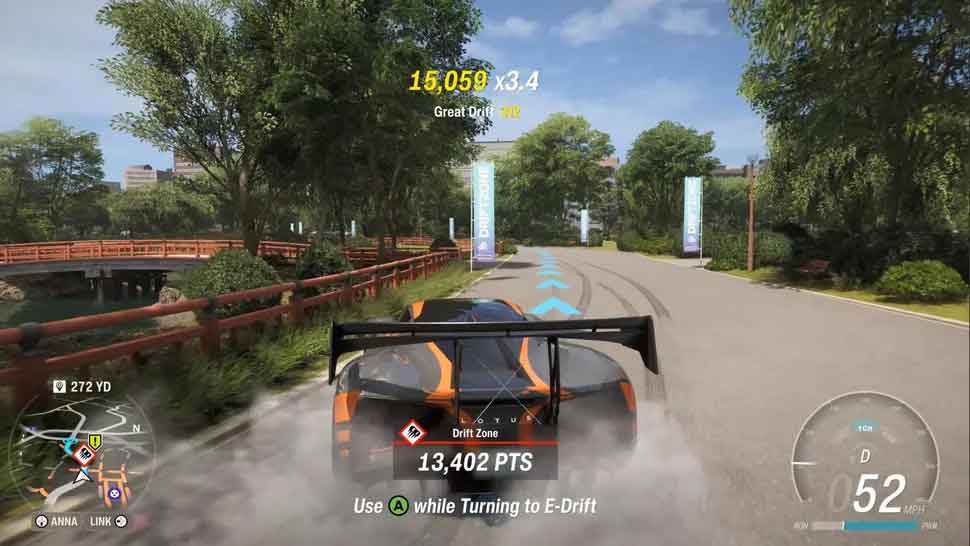
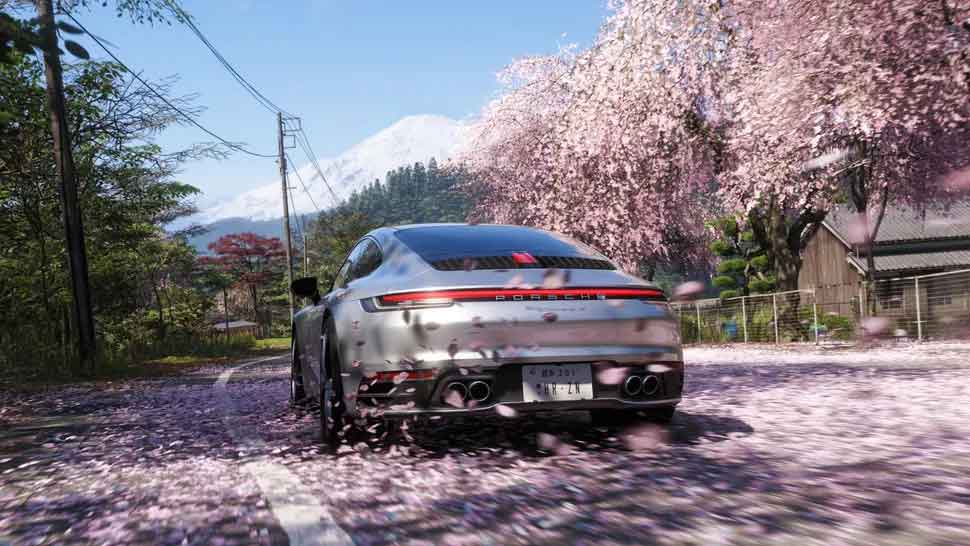
Japan as the main map might genuinely be the best decision the Horizon series could have made. From the neon-lit streets of Tokyo, narrow urban alleyways, and underground tunnels, to mountain roads built for drifting and touge battles, every part of the map has its own unique atmosphere.
What I especially loved is that the game doesn’t simply try to create a “postcard version” of Japan. Instead, it successfully captures the authentic spirit of Japanese street racing culture. The Wangan highway, clearly inspired by legendary Japanese highway races, looks phenomenal and honestly, there were moments where I drove around aimlessly simply because the atmosphere alone was enjoyable enough.
The world feels alive in a way many modern racing games fail to achieve. Open-world racers often feature huge maps that quickly become empty and repetitive. Here, I constantly felt like there was always something else waiting to be discovered — a new race, hidden car, drift zone, speed trap, or simply another district that looked incredible during nighttime driving.
Fun Matters More Than Pure Realism
Forza Horizon 6 may lean more toward arcade racing than full simulation, but I honestly think that’s exactly why it works so well.
Many modern sim racing games are so obsessed with realism that they forget the most important thing — games are supposed to be fun first and foremost. Horizon 6 finds an excellent balance between serious driving mechanics and pure entertainment. Cars feel heavy enough to remain satisfying to drive, but the game never reaches the point where it becomes exhausting or frustrating for a wider audience.
A huge advantage is that the game almost never forces players to do things they don’t want to do. You can completely ignore races and simply explore the map. You can spend hours tuning cars, building custom setups, drifting through mountain roads, or casually cruising through the city while listening to radio stations that perfectly match the game’s atmosphere.
A Massive Amount of Content and Activities
That sense of freedom is exactly what gives Horizon its identity.
The amount of content is enormous. Alongside classic street, dirt, and cross-country races, the game introduces a large number of side activities that often become just as enjoyable as the main events.
Horizon Rush events are probably one of the best examples of this. Inspired by Gymkhana-style driving, these challenges focus heavily on technical precision, drift control, and executing perfect driving lines. They quickly become addictive because they constantly push you to chase cleaner runs and faster times.
Beyond that, the game also includes photo challenges, story quests, delivery missions, and hunts for hidden aftermarket vehicles scattered throughout the map. Those smaller activities further strengthen the feeling that the world is alive and always worth exploring, even after completing the main events.
Car Customization Has Never Felt Better
One aspect I particularly appreciated is the way the game treats cars.
Horizon 6 doesn’t immediately flood players with hypercars and millions of credits. Instead, there’s a much stronger focus on building a relationship with the car you actually drive. This is where the Zenki and Kouki philosophy of modification truly shines — the idea of slowly transforming an ordinary vehicle into your own personal project car.
Customization feels far more personal than in most racing games. The goal isn’t simply installing the most expensive parts, but building a car that looks and drives exactly the way you want.
Honestly, one of my favorite moments was transforming a standard Toyota Supra into an aggressive street build that looked like it came straight out of an old Japanese street racing video.
Horizon 6 Isn’t Afraid of Crazy Ideas
Of course, Horizon 6 also fully embraces the over-the-top insanity the series is known for.
You can drift down mountains, race limousines in drag events, jump across giant ramps, or participate in completely chaotic showcase races. On paper, all of that sounds ridiculous, but somehow the game manages to combine realism and absurd fun in a way very few modern racing games can achieve.
Sound Design and Atmosphere Elevate the Experience
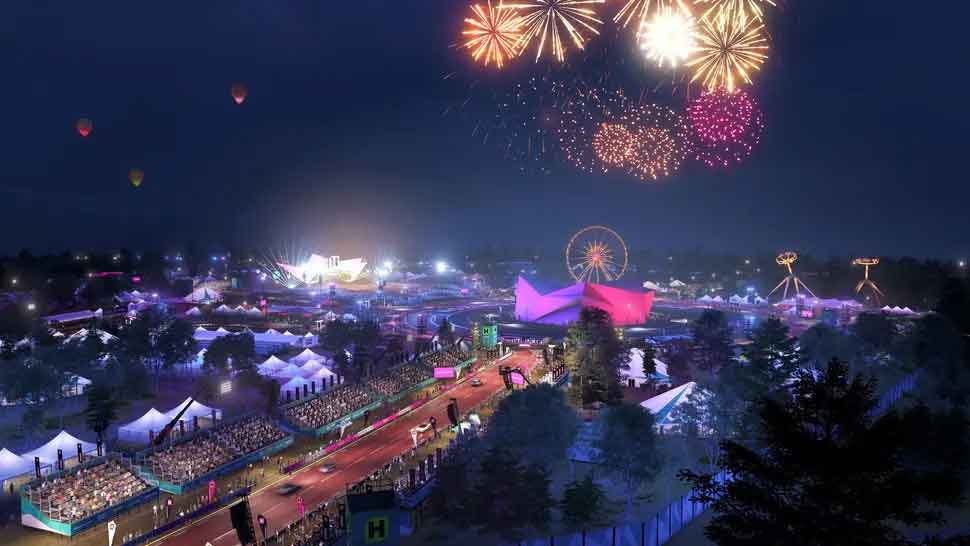
Visually, the game looks fantastic. Cars are incredibly detailed, nighttime lighting is gorgeous, and the weather effects further enhance the atmosphere.
However, what impressed me even more was the audio design. The sound of engines echoing through tunnels, exhaust backfires during gear shifts, and the way vehicles react to their surroundings genuinely elevate the entire experience.
There were moments where I was literally driving purely because of the sound design and atmosphere.
Excellent Optimization — Even on Steam Deck
I also have to praise the optimization. On consoles, Forza Horizon 6 runs extremely smoothly, while the PC version powered by DLSS 4.5 looks and performs impressively even at very high settings.
I was especially surprised by how well the game performs on Steam Deck, particularly considering how previous Horizon entries often struggled with rubberbanding issues and inconsistent performance.
Multiplayer Still Has Problems
Of course, the game isn’t perfect.
Online multiplayer can still become frustrating, especially during competitive races where some players use other cars as “walls” in corners. The penalty system also occasionally fails to react properly, which can ruin certain online events.
Still, after spending many hours with the game, that remains my only major criticism.
The Best Horizon Yet?
I have to admit that Horizon 6 occasionally reminded me of the feeling I once had while playing Need for Speed: Most Wanted — that feeling where you simply don’t want to stop playing because the game constantly pushes you toward “just one more race” or “one more drive through the city.”
For me, Forza Horizon 6 is currently the best Horizon game so far and easily one of the best racing games released in recent years.
This isn’t just another racing game with a huge map and hundreds of cars — it’s a genuine celebration of modern car culture, driving freedom, and everything people love about automobiles.