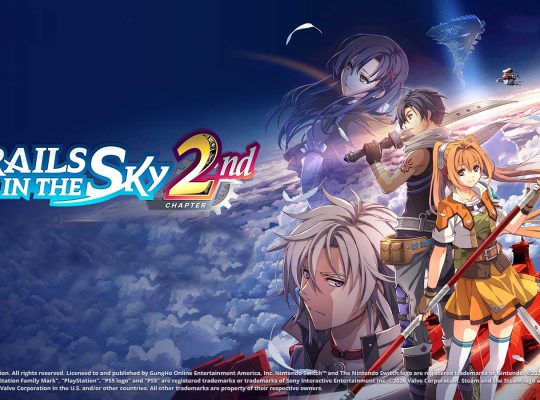

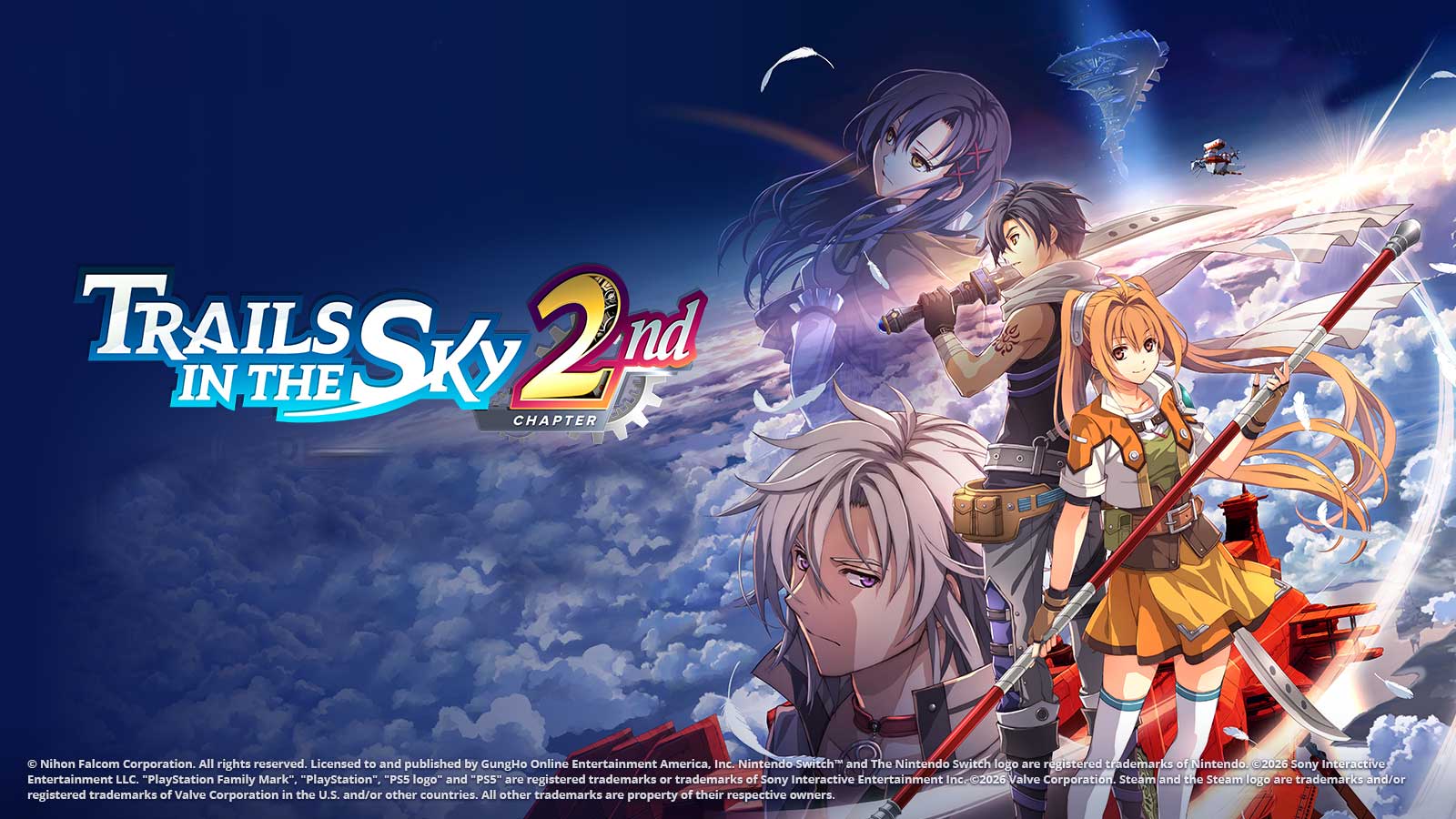
Trails in the Sky 2nd Chapter: Trails in the Sky 2nd Chapter successfully modernizes a beloved JRPG without losing what made the original special. Its excellent combat system, refreshed 3D presentation, memorable characters and emotional story make it a fantastic return to Liberl, even if the huge amount of dialogue and slow opening demand some patience. – NikolaOtasevic
Trails in the Sky 2nd Chapter is not a new story attempting to continue what the previous game started, but rather a remake of a sequel that directly picks up from the events of the first chapter. The story continues practically where the previous game left off, with Estelle’s search for Joshua serving as a natural continuation of everything we experienced alongside the characters from the first game. Because of this, Falcom had a particularly challenging task ahead of them – to modernize this beloved JRPG, improve its gameplay and presentation, while preserving the story, characters, and atmosphere that made the original Trails in the Sky 2nd Chapter so memorable.
After spending considerable time with the game, I can say that the result is genuinely excellent. Trails in the Sky 2nd Chapter manages to retain the character of the original, its cast, atmosphere and story, while introducing enough changes to the combat system and presentation that it doesn't feel like nothing more than a prettier version of an old game. What surprised me the most was the combat, as Falcom has found a very good formula between classic turn-based combat and elements that give it a more action-oriented feel, making battles much more dynamic than you might expect from a traditional JRPG.
There is, however, one thing that consistently bothered me a little during my time with the game, and that is the amount of dialogue and the time it takes before the game finally lets you properly play. I waited exactly 34 minutes for the opening sequence to finish and for the game to actually begin, which is quite a long time even for a JRPG known for taking its time with storytelling. Fortunately, once everything finally gets going, Trails in the Sky 2nd Chapter shows exactly why this story is so important.
A Story That Still Works
The biggest strength of Trails in the Sky 2nd Chapter has always been its story, and the remake had little reason to fundamentally change that foundation. The story continues directly from the events of the first game, with Estelle Bright setting out to find Joshua after his disappearance.
What makes this story special is that the search isn't presented simply as another adventure the protagonist has to go through in order to save the world. Estelle is emotionally affected by what happened, and her search for Joshua is also a deeply personal journey in which she tries to understand what happened and find someone who means far more to her than just another companion.
That is precisely why Estelle remains one of the best elements of the game. She isn't a perfect heroine who immediately knows what she needs to do and moves through the entire adventure without doubt. Her energy, optimism and somewhat impulsive personality are still there, but as the story progresses, you can clearly see how the events around her are changing her.
More importantly, the story once again demonstrates just how well-built the Trails world is. Characters aren't simply there to fill the space between major scenes. They have their own relationships, problems, opinions and smaller stories that often intertwine with the main narrative. Even when they aren't directly connected to the central conflict, they make the world feel like a place that continues to exist even when Estelle isn't around.
This is one of the things Trails in the Sky 2nd Chapter does better than many JRPGs. When you return to familiar places from the previous game, they don't simply feel like recycled locations. Instead, you get the feeling that you're returning to a world you already know, where things have continued happening while you were away.
The Conversations Are Great, But There Are a Lot of Them
However, the very thing that is one of the game's greatest strengths can also be one of its biggest weaknesses.
Trails in the Sky 2nd Chapter really does have a lot to say.
If you enjoy JRPGs where you can spend tens of minutes talking to characters, learning about their problems and following details that may initially seem insignificant, you'll feel right at home here. If you're someone who wants the story to move more quickly toward the next battle or exploration section, however, there will be moments when it feels like the game stays in dialogue for too long.
This was one of the few things that occasionally slowed the experience down for me. The problem isn't that the conversations are bad, because quite the opposite is true, but rather the sheer amount of them. There are often scenes that could have ended a little earlier but instead continue through additional conversations, explanations and reactions from other characters.
Still, it's difficult to completely criticize this approach when those very conversations make later events carry so much more emotional weight. Trails insists that you get to know its world before asking you to care about it, and when something serious eventually happens, there is an emotional impact that many other games simply don't achieve.
Thirty-Four Minutes Before the Game Begins
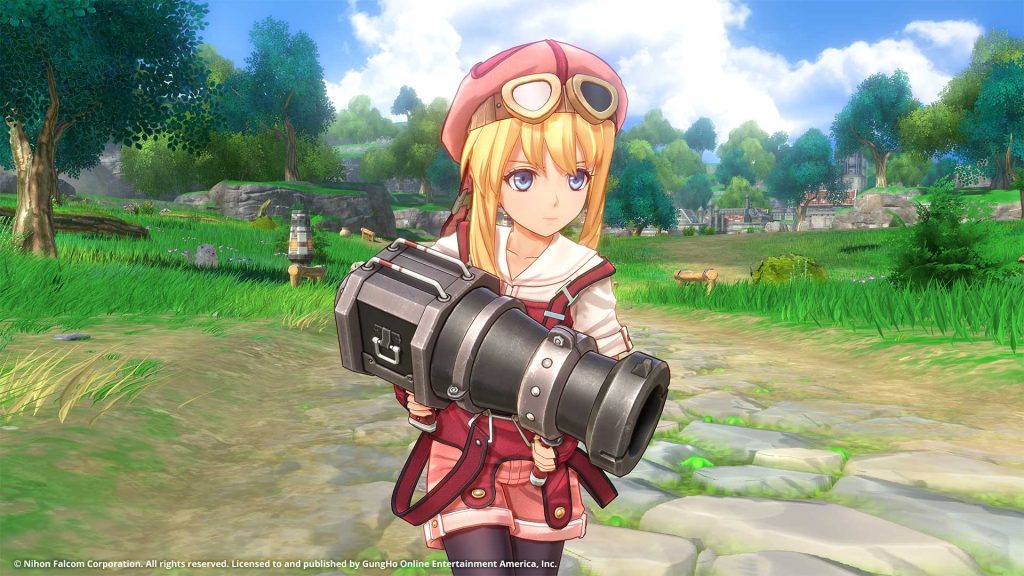
I have to specifically point out one thing that genuinely surprised me.
I waited exactly 34 minutes before finishing the opening section and finally getting to play the game.
For a JRPG, that may not be completely shocking, especially when we're talking about a direct continuation of a story like this, but 34 minutes is still 34 minutes. During that period, the game essentially asks you to sit back and follow the opening before it properly hands control over to you.
I can understand why Falcom chose to structure things this way, since the game needs to establish where Estelle is, what happened to Joshua and the state of the world following the events of the previous game. However, I do think this section could have been paced a little better.
Fortunately, this became less of an issue as I progressed, because once Trails in the Sky 2nd Chapter finally opens up, you get a much better sense of pace and freedom.
Combat That Gets the Formula Right
And then we come to the part of the game that surprised me the most – combat.
Honestly, the combat is almost perfect.
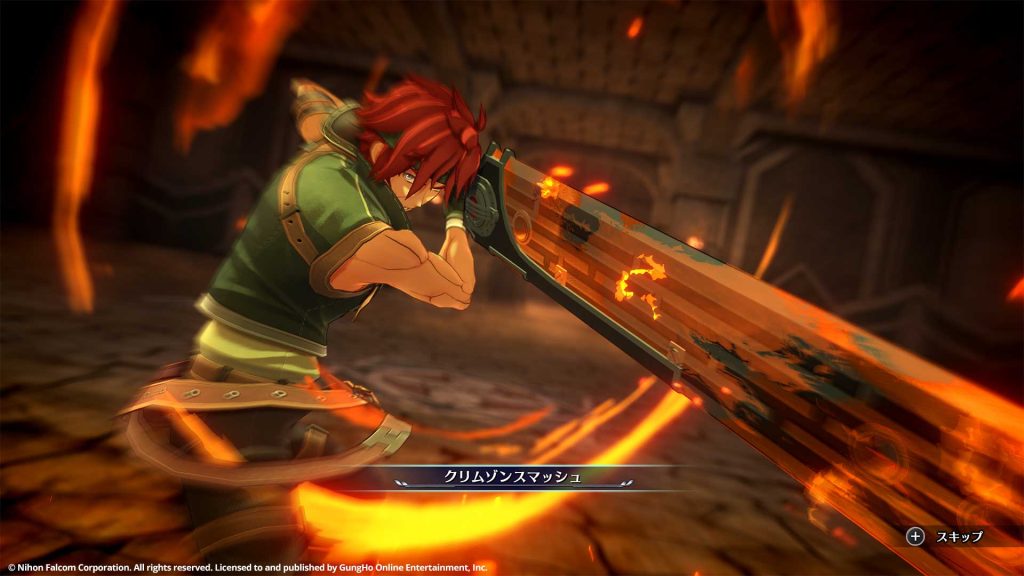
What I particularly liked is the way Falcom has found a middle ground between classic turn-based combat and something that feels closer to an action system. This is still not an action RPG, nor is it trying to be one, but battles no longer feel like a static process of simply waiting for your turn and selecting commands without much thought.
Every turn matters, while there is still enough room for quick decision-making. Character positioning, turn order, abilities, Arts, Crafts and different character-building options all work together, making battles much more than a simple “Attack, Attack, Heal” routine.
I particularly like the way the turn timeline is handled. Every action affects the order in which characters will get their next turn, meaning you have to think several steps ahead. Sometimes it's smarter to wait for the right moment to use a stronger attack, sometimes you need to reposition a character, while in other situations you may want to take advantage of a specific bonus appearing on the timeline.
As a result, combat constantly demands your attention without ever feeling unnecessarily complicated.
A Perfect Balance Between Action and Turn-Based Combat
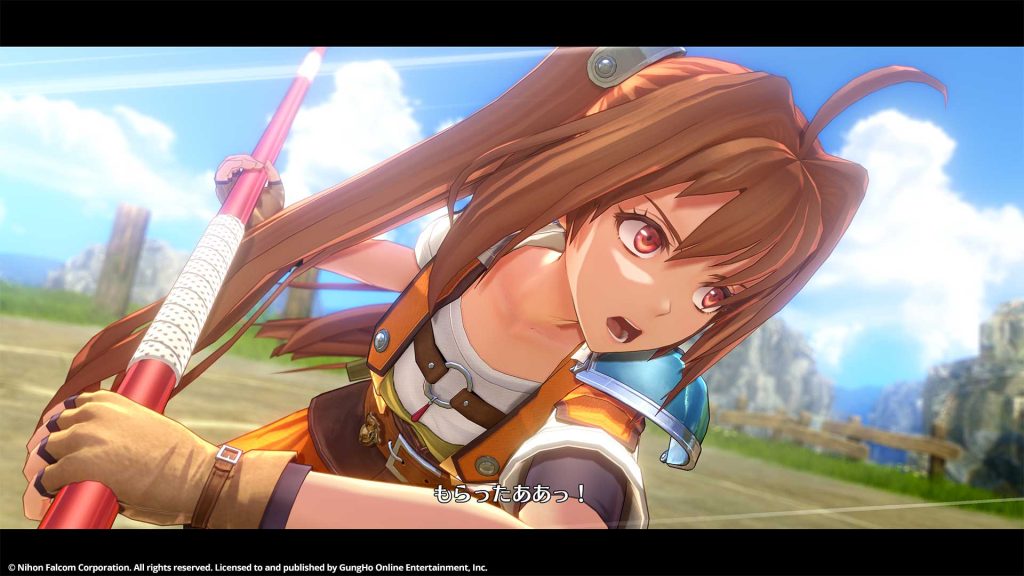
This is exactly the part I would highlight as one of the remake's biggest strengths.
When I say that the game finds a balance between action and turn-based combat, I don't mean that battles take place in real time. Rather, they have enough dynamism that they don't feel like a completely static traditional system. You still make decisions on your turn, but the way characters move, reposition themselves and influence the timeline gives everything a much more lively feel.
This becomes particularly effective when you're fighting multiple enemies, because every decision can change the course of the encounter. You can't simply look at your characters and think about what you're going to do right now; you also have to pay attention to what will happen several turns later.
Brave Points and Brave Attacks expand the system even further, but what I like is that none of these mechanics feel like they were added simply to make the feature list longer. Everything has its place and becomes useful when battles start demanding more serious planning.
There are also Brave Rush attacks, which further connect party members and provide a great visual moment when you manage to use them at the right time.
Character Progression Finally Feels Meaningful
The Orbment system is another important part of all of this.
Unlike a situation where you simply carry over all your progress from the previous game and continue with identical setups, here you essentially have to rebuild your characters. At first, this might feel like an unnecessary step backward, but I actually liked how the game uses it.
Instead of entering the sequel with fully established characters, you get the opportunity to rethink how you want to use them. As you unlock new possibilities, Quartz and abilities, it becomes interesting to experiment and adapt your party members to different situations.
This is particularly important because characters can fill different roles within the party. Estelle is a great example, as she isn't locked into a single function and can instead be developed in a way that suits your preferred playstyle.
A World That Rewards Exploration
Exploration is another part of the game that remains faithful to the philosophy of the original.
The world isn't simply designed as a space you move through from one main mission to the next. Towns, roads and regions have their own characters, problems and events, while the Bracer Guild once again serves as one of the main hubs for side quests.
What I like is that side quests generally don't feel like empty opportunities to grind for experience. They often provide additional context about the world or introduce you to characters you might otherwise never have noticed.
Because of this, I always felt that exploration had a purpose even when I wasn't chasing the main objective. There is always the possibility that you'll stumble across a small story, conversation or event that gives you additional context later on.
Of course, that comes with a price, and that price is time.
If you want to see everything the game has to offer, Trails in the Sky 2nd Chapter demands a huge amount of time from you, making this a game that should definitely be played at your own pace rather than rushed toward the finish.
Modern Graphics Without Losing Its Identity
Visually, the remake does exactly what it needed to do.
The new 3D presentation gives the world considerably more depth without trying to turn it into something completely different. The anime aesthetic is still very prominent, the characters remain recognizable, and the locations have enough personality that you can easily connect them to what you remember from the original.
The graphics may not be the most technically impressive thing you'll see this year, but I don't think that's the point here. What matters much more to me is that Falcom managed to modernize the game without taking away its identity. Towns feel more alive, environments contain more detail, animations are more natural, and the camera during battles further contributes to the feeling that you're playing a modern version of an old-school JRPG adventure.
In other words, the game looks good, but more importantly, it looks like Trails.
Music and Voice Acting Add Even More Atmosphere
Falcom's music has always been one of the defining elements of the series, so there isn't much to criticize here either. The soundtrack works extremely well during both exploration and combat, while the transitions between quieter and more intense themes give the world additional atmosphere.
The voice acting also has a very positive effect, particularly during emotional scenes. Estelle gains even more personality when you can hear the way she reacts to different situations, and the same applies to the supporting cast.
Since the game contains so much dialogue, quality voice acting is particularly important. It can't solve the problem of having too much text, but it definitely makes the longer scenes more enjoyable to follow.
The Story, Characters and World Are Still the Heart of It All
In the end, regardless of all the changes introduced by the remake, the most important thing is that the heart of the original remains intact.
Estelle is still Estelle. Her search for Joshua remains the emotional core of the story, while larger conflicts, mysteries and political games that are already characteristic of the Trails series gradually develop around her.
The supporting characters also have enough room to leave an impression, while antagonists such as Campanella and Wiseman add another layer of mystery. You never get the feeling that they're simply there to appear in front of you as obstacles that need to be defeated. There is a sense that a much larger plan is unfolding behind everything, and that you don't immediately know who is really pulling the strings.
That's exactly why the story manages to keep your attention even when the pacing slows down.
Conclusion
Trails in the Sky 2nd Chapter is an excellent example of how a beloved JRPG remake should be approached. Falcom didn't try to change everything simply because the original was old, nor did it create a straightforward graphical remaster that relied entirely on nostalgia. Instead, we get a game that understands what made the original special and then builds a more modern experience around that foundation.
Combat is without a doubt one of the best parts of the game. The combination of turn-based mechanics, positioning, the timeline system, abilities and a more dynamic approach to battles creates a formula that worked extremely well for me. The graphics are modern enough to make the world look significantly better without losing its character, while the story and characters remain the reason you'll want to keep moving forward.
My only significant criticism concerns the amount of dialogue and the pacing of the opening, especially considering that I had to wait a full 34 minutes before I could finally start playing. Even later in the game, there are sections where it feels like the game spends a little too long in conversation, although it's difficult to say that these conversations are unnecessary, because they are precisely what builds the world and gives its characters emotional weight.
Everything else is, honestly, very difficult for me to criticize.
Trails in the Sky 2nd Chapter is a large, emotional and exceptionally well-crafted JRPG that manages to modernize a classic without turning it into something it was never meant to be. If you loved the original, you'll find a familiar story presented in a much more modern form, while newcomers get the opportunity to experience one of the stories that helped lay the foundations for what the Trails series would eventually become.
Score: 9/10
The game was played on: PS5