For years, Nintendo was the easy target.
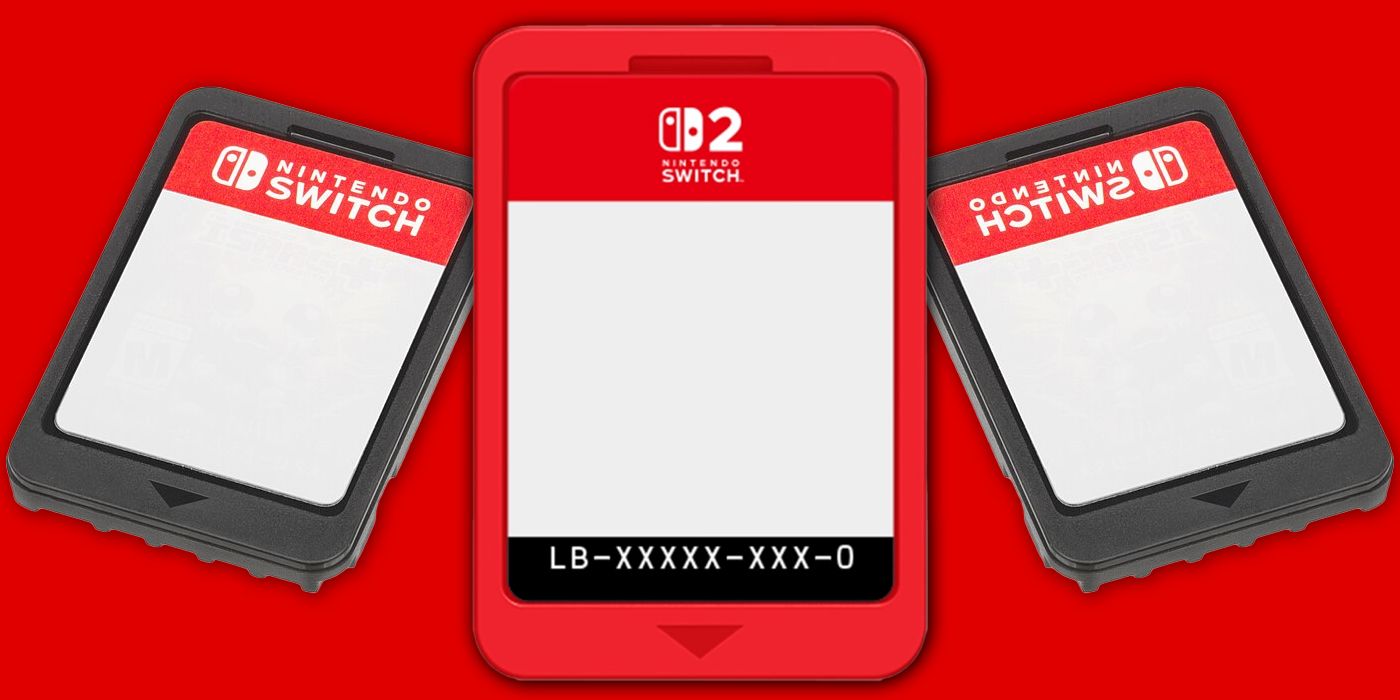
Its hardware was less powerful than PlayStation and Xbox. Its online infrastructure lagged behind. While the rest of the industry embraced Blu-ray discs, digital libraries, and subscription services, Nintendo stubbornly kept shipping games on cartridges.
It looked old-fashioned.
Today, that same decision may turn out to be one of the smartest bets the company has ever made.
The gaming industry is moving toward a future where physical media feels increasingly optional. Digital storefronts dominate sales, subscription services continue to grow, and rumors surrounding future hardware suggest that physical drives may eventually disappear from mainstream consoles altogether.
If that future becomes reality, Nintendo could find itself in a position no one expected. It may become the last major console platform where physical games still genuinely matter.
The Industry Doesn't Really Sell You Games Anymore
Here's the uncomfortable truth.
When you buy a digital game today, you're usually not buying the game itself. You're buying a license tied to your account.
What's more surprising is that, legally speaking, the same philosophy often applies to physical games. Sony's software license agreements, for example, state that the software is licensed—not sold.
So does that mean physical games are meaningless? Not even close.
Because while publishers license the software, a cartridge is still something you can hold, lend to a friend, give away, sell on the second-hand market, or keep on your shelf for decades.
Digital purchases rarely offer any of those freedoms. That's a distinction many players are starting to appreciate again.

Nintendo Accidentally Preserved Something Everyone Else Is Leaving Behind
Nintendo didn't become the champion of physical media because it launched a clever marketing campaign.
It simply never abandoned it.
Its games still arrive in boxes. Retail stores still dedicate shelf space to Nintendo releases. Collectors still line up for special editions. Used game markets continue to thrive.
Meanwhile, much of the industry seems determined to convince players that convenience should replace ownership.
There's nothing inherently wrong with digital gaming. Downloading a title in minutes is incredibly convenient, and digital libraries have obvious advantages.
The problem begins when convenience becomes the only option.
Choice disappears.
Nintendo Games Aren't Just Games. They're Assets.
One of Nintendo's biggest strengths has always been hiding in plain sight.
Its first-party games hold their value remarkably well.
A Mario Kart or Zelda cartridge purchased today can often be sold years later for a surprisingly high percentage of its original price. In some cases, older Nintendo titles even become more valuable over time.
That's almost unheard of in the digital marketplace.
When an $80 digital purchase is finished, it stays locked to your account forever.
A physical cartridge still has a second life.
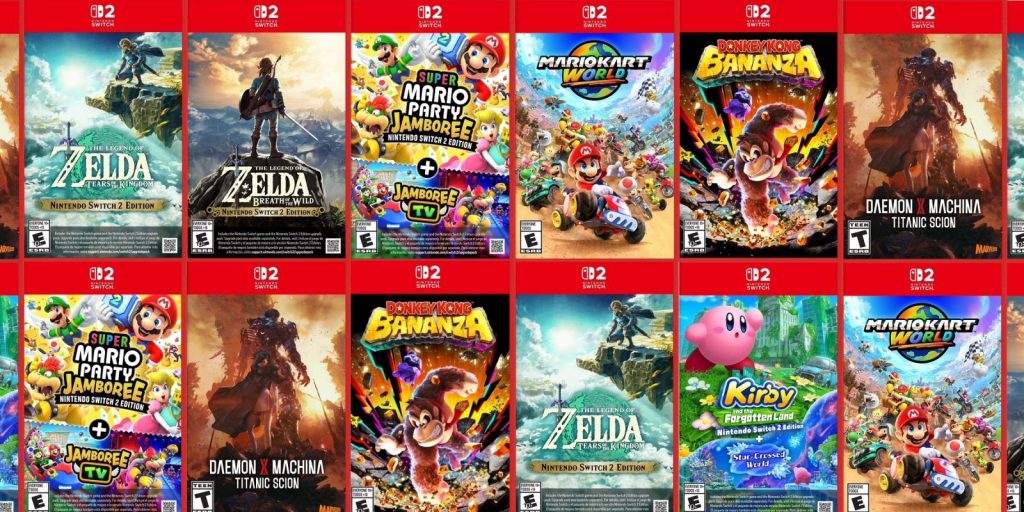
Even Game Key Cards Don't Completely Change That
Nintendo isn't ignoring industry trends.
The introduction of Game Key Cards on Switch 2 has been controversial. Many players argue they represent a step toward digital ownership while preserving only the appearance of physical media.
Those concerns are understandable.
But even Game Key Cards highlight something important.
Nintendo still sees value in putting something tangible on a store shelf.
Whether that approach evolves or not, it remains fundamentally different from a platform where physical games simply stop existing.
The Last Competitive Advantage Nobody Expected
For decades, critics argued that Nintendo was behind the times.
Perhaps they were looking in the wrong direction.
If PlayStation continues reducing its reliance on physical media and Xbox doubles down on its digital-first strategy, Nintendo won't necessarily have the most powerful console.
It probably won't have the biggest online ecosystem either.
But it could become the only major platform where players can still walk into a store, buy a game, finish it, lend it to a friend, sell it, collect it, or simply place it on a shelf knowing it's theirs to keep.
In an industry increasingly built around subscriptions, cloud services, and account-based licenses, that may become far more valuable than anyone expected.
Nintendo didn't set out to become the guardian of physical games.
It simply refused to let go of them.
And in a future where choice is becoming increasingly rare, that refusal might prove to be one of the smartest decisions the company ever made.