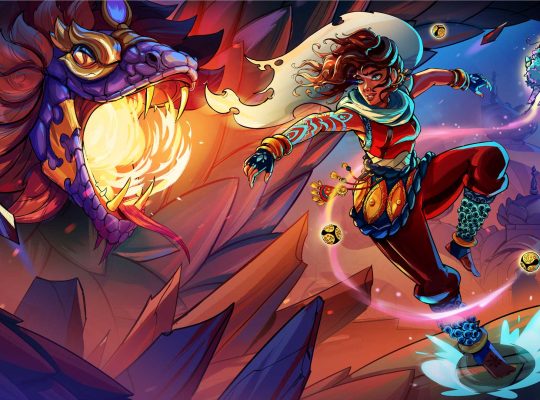

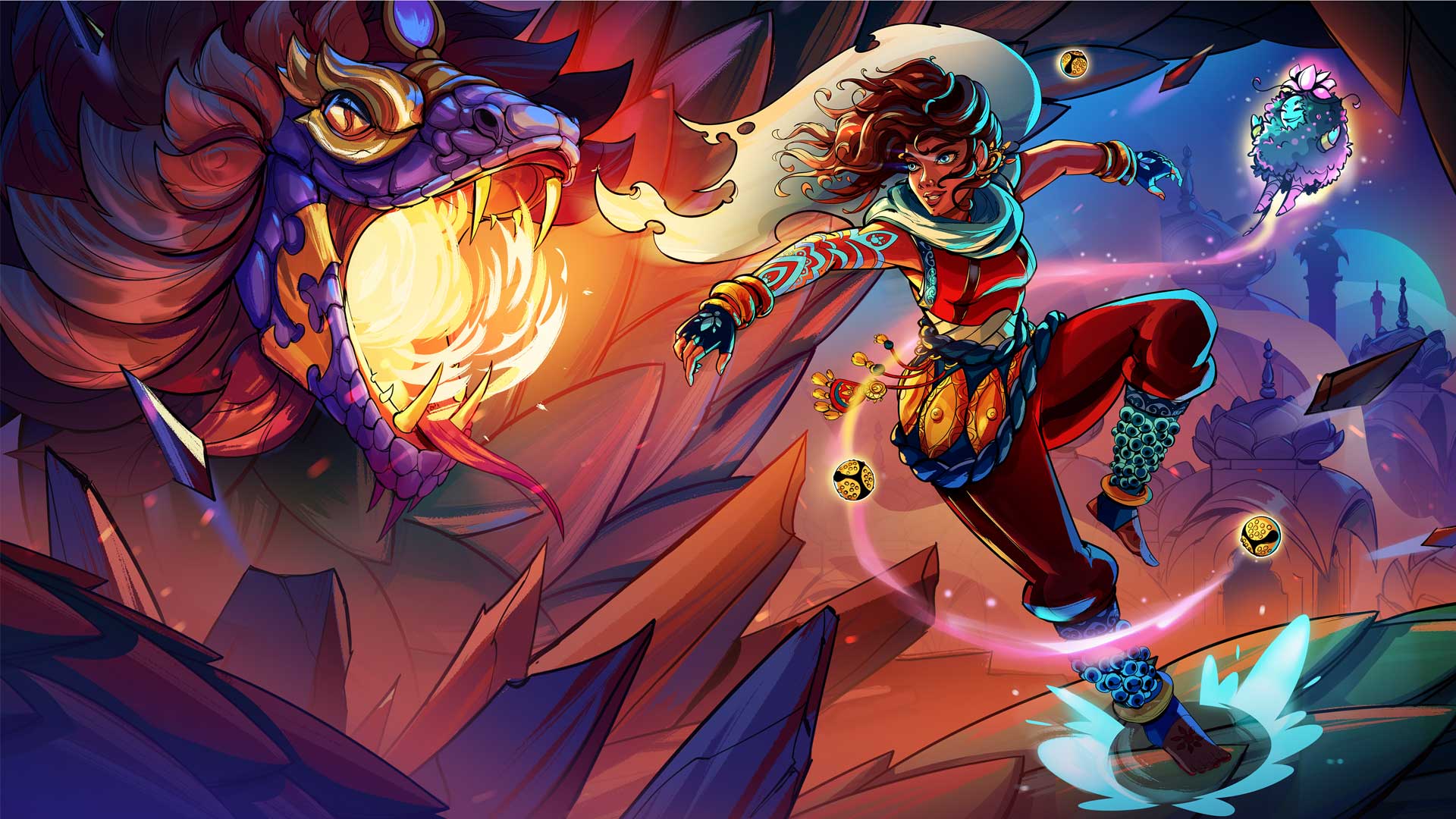
Suri: The Seventh Note: combines excellent rhythm-based mechanics, engaging 2D platforming and a striking art style inspired by Indian culture. Unfortunately, its unforgiving difficulty, lack of opportunities to learn the mechanics and limited checkpoints often turn challenge into frustration. With a few accessibility improvements, this could be an outstanding game, but even in its current state, it deserves attention from fans of challenging platformers. – Ognjen Janjic
Suri: The Seventh Note is a game that immediately stands out because of its core idea. Instead of treating music as background atmosphere, it makes rhythm a fundamental part of the gameplay. Almost every jump, movement and action has to land on the beat. This is not a common approach in 2D platformers, and it gives the game a clear identity of its own.
Developed by Tathvamasi Studios as part of the PlayStation India Hero Project, the game draws visual inspiration from Indian culture and mythology. The soundtrack does more than set the mood – it actively shapes the pace and feel of each section. The DualSense controller’s haptic feedback further reinforces this, turning rhythm into something you don't just hear, but partially feel through your hands.
This connection between sound and movement is particularly interesting during platforming sections. A jump that would normally require little more than judging distance and timing becomes a much more demanding action when it also has to match the music. You are not simply watching the platform ahead; you are listening, anticipating the beat and trying to make every movement fit the soundtrack. These are the things Suri does genuinely well. The problems appear when that same strength starts working against the player.
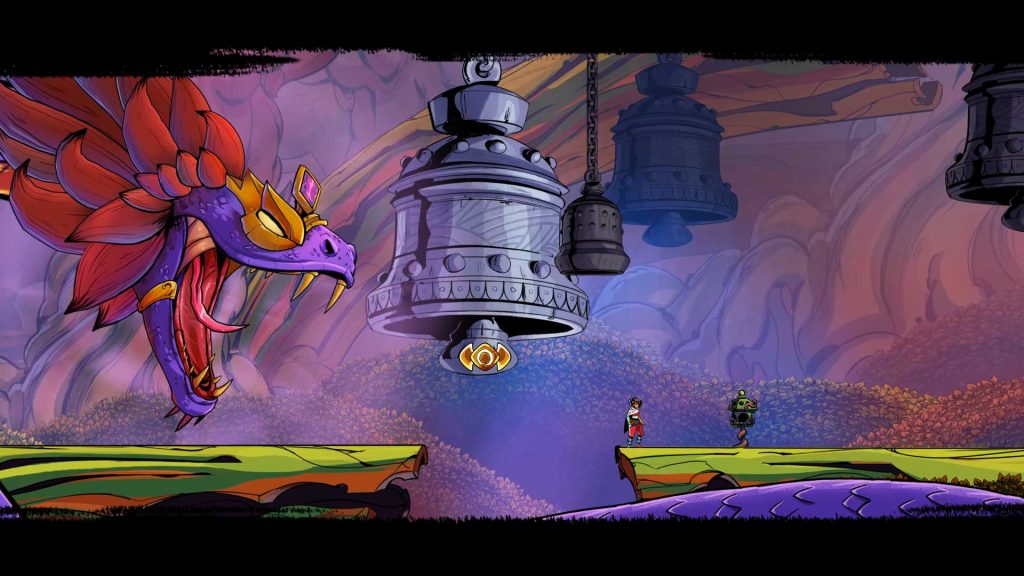
When Rhythm Becomes an Obstacle Instead of a Tool
Rhythm-based platforming demands precision. That in itself is not a flaw. The issue is that the game begins asking for near-perfect execution relatively early, without first giving players enough space to properly learn its systems. Instead of a gradual build-up, you often find yourself in situations where you already understand what needs to be done, yet a small timing error sends you back to the start of the sequence.
This becomes especially frustrating when you know exactly what the game expects from you, but struggle to execute it consistently. A slightly mistimed jump can be enough to force you through the same sequence again. After repeating an obstacle several times, the satisfaction of finally getting it right starts to fade, replaced by the feeling that you are simply memorising a pattern rather than improving your skills.
The linear structure makes this worse. When you hit a difficult section, there is nowhere else to go. You can't explore another area, come back later, or change your approach. You're stuck in place, repeating the same pattern until you execute it cleanly enough. After a certain number of attempts, it stops feeling like a challenge and starts feeling like a test of endurance.
This is where Suri differs from some other demanding platformers. Celeste, for example, can also be extremely tough, but it gives players opportunities to gradually master its mechanics. Its optional Assist Mode is another good example of how accessibility options can make a demanding game more welcoming without taking away the original challenge. Suri could benefit from a similar philosophy.
What Could Help Without Damaging the Game's Identity
I don't think Suri needs to become an easier game. Difficulty is part of its character, and that shouldn't be removed. What it currently lacks are options that would give players more control over how they face the challenge.
Two changes would make a meaningful difference:
- Adjustable Timing Windows: Allowing players to slightly widen the timing window for rhythm-based inputs would make demanding sections more manageable. It wouldn't remove the need to understand the music or learn the patterns, but it would give players a little more room to make mistakes while developing their timing.
- More Frequent Checkpoints: Placing checkpoints closer together in tougher sections would prevent players from having to replay long stretches they've already mastered just because of one mistake near the end. It would make retries less frustrating and give players more time to focus on the actual challenge.
Both of these could be completely optional and placed in a separate menu. Players who want the original experience can leave everything untouched. Those who want to enjoy the world, the music and the visual style without constantly hitting the same wall would have that choice available.
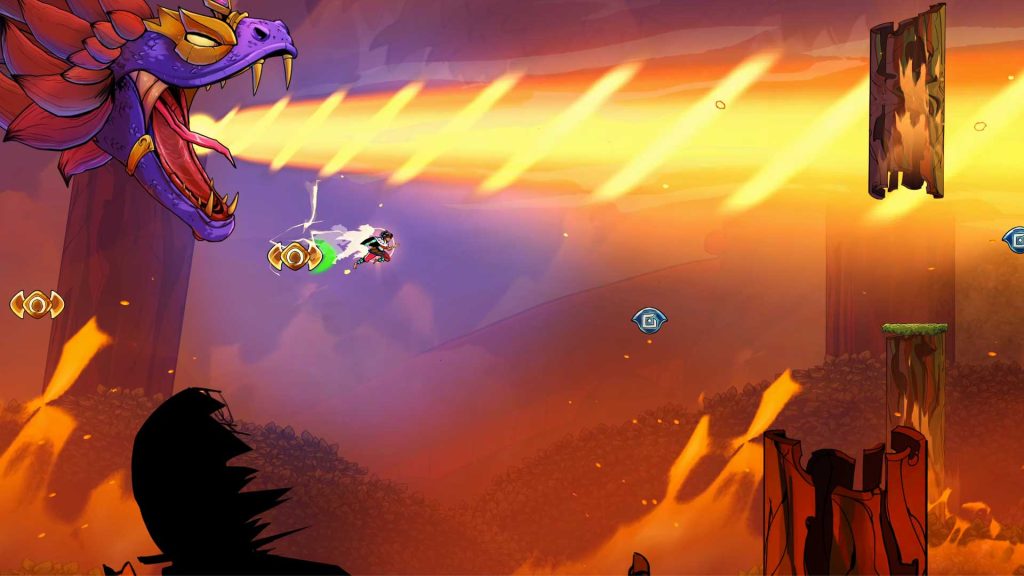
Why This Matters
Suri has a distinct identity and shows that an Indian indie studio can create something that doesn't follow the usual path of large-scale 3D action games. That is worth supporting. But if a significant number of players quit in the first few hours because of how the difficulty is structured, the opportunity to properly experience and appreciate that originality is lost.
The foundations are solid. The rhythm-as-core-mechanic approach works, the visual style stands out, and the DualSense is used thoughtfully. Its haptic feedback helps reinforce the connection between music and movement, while the artistic direction gives the game a personality that is difficult to confuse with other platformers.
What currently prevents Suri from reaching a wider audience isn't a lack of ideas, but a lack of room to learn and recover from mistakes. With a more gradual introduction to its mechanics and a few optional accessibility features, it could become a much more rewarding experience without losing what makes it special.
Score: 7/10
The game was played on: PlayStation 5.
Suri: The Seventh Note is one of those indie games that immediately stand out because of its core idea. Instead of treating music as background atmosphere, it makes rhythm a fundamental part of the gameplay. Almost every jump, movement and action has to land on the beat. This is not a common approach in 2D platformers, and it gives the game a clear identity of its own.
Developed by Tathvamasi Studios as part of the PlayStation India Hero Project, the game draws visual inspiration from Indian culture and mythology. The soundtrack does more than set the mood — it actively shapes the pace and feel of each section. The DualSense controller’s haptic feedback further reinforces this, turning rhythm into something you don’t just hear, but partially feel through your hands.
These are the things Suri does genuinely well. The problems appear when that same strength starts working against the player.
When Rhythm Becomes an Obstacle Instead of a Tool
Rhythm-based platforming demands precision. That in itself is not a flaw. The issue is that the game begins asking for near-perfect execution relatively early, without first giving players enough space to properly learn its systems. Instead of a gradual build-up, you often find yourself in situations where you already understand what needs to be done, yet a small timing error sends you back to the start of the sequence.
The linear structure makes this worse. When you hit a difficult section, there is nowhere else to go. You can’t explore another area, come back later, or change your approach. You’re stuck in place, repeating the same pattern until you execute it cleanly enough. After a certain number of attempts, it stops feeling like a challenge and starts feeling like a test of endurance.
This is where Suri differs from some other demanding platformers. Games like Celeste can also be extremely tough, but they usually give the player enough room to gradually master the mechanics. Here, that process is often skipped.
What Could Help Without Damaging the Game’s Identity
I don’t think Suri needs to become an easier game. Difficulty is part of its character, and that shouldn’t be removed. What it currently lacks are options that would give players more control over how they face the challenge.
Two changes would make a meaningful difference:
- The ability to slightly widen the timing window for rhythm inputs (similar to the rhythm assist some other games offer).
- More frequent checkpoints in the tougher sections, so you don’t have to replay long stretches you’ve already mastered just because of one mistake at the end.
Both of these could be completely optional and placed in a separate menu. Players who want the original experience can leave everything untouched. Those who want to enjoy the world, the music and the visual style without constantly hitting the same wall would have that choice available.
Why This Matters
Suri has a distinct identity and shows that an Indian indie studio can create something that doesn’t follow the usual path of large-scale 3D action games. That is worth supporting. But if a significant number of players quit in the first few hours because of how the difficulty is structured, the opportunity to properly experience and appreciate that originality is lost.
The foundations are solid. The rhythm-as-core-mechanic approach works, the visual style stands out, and the DualSense is used thoughtfully. What currently prevents the game from reaching a wider audience is not a lack of ideas, but a lack of space to learn and recover from mistakes.
Score: 8/10
Played on: PlayStation 5
Ako tražite povoljnije cene za igre, DLC-ove i druge digitalne proizvode, posetite Eneba i pogledajte aktuelnu ponudu.
Pre kupovine obavezno unesite naš promo kod BUFFGAMING i ostvarite dodatnih 5% popusta.
Kupi igre, poklon-kartice i dopune povoljnije