
Chivalware: Chivalware offers a fresh take on roguelite combat, mixing real-time action with match-three mechanics. With five playable knights, over 80 weapons and plenty of upgrades to experiment with, there's a lot of room for different builds and strategies. Its combat system is engaging and surprisingly challenging, although limited enemy variety and a steep learning curve hold it back. A fun indie experience that is well worth checking out at $9.99. – NemanjaKocica
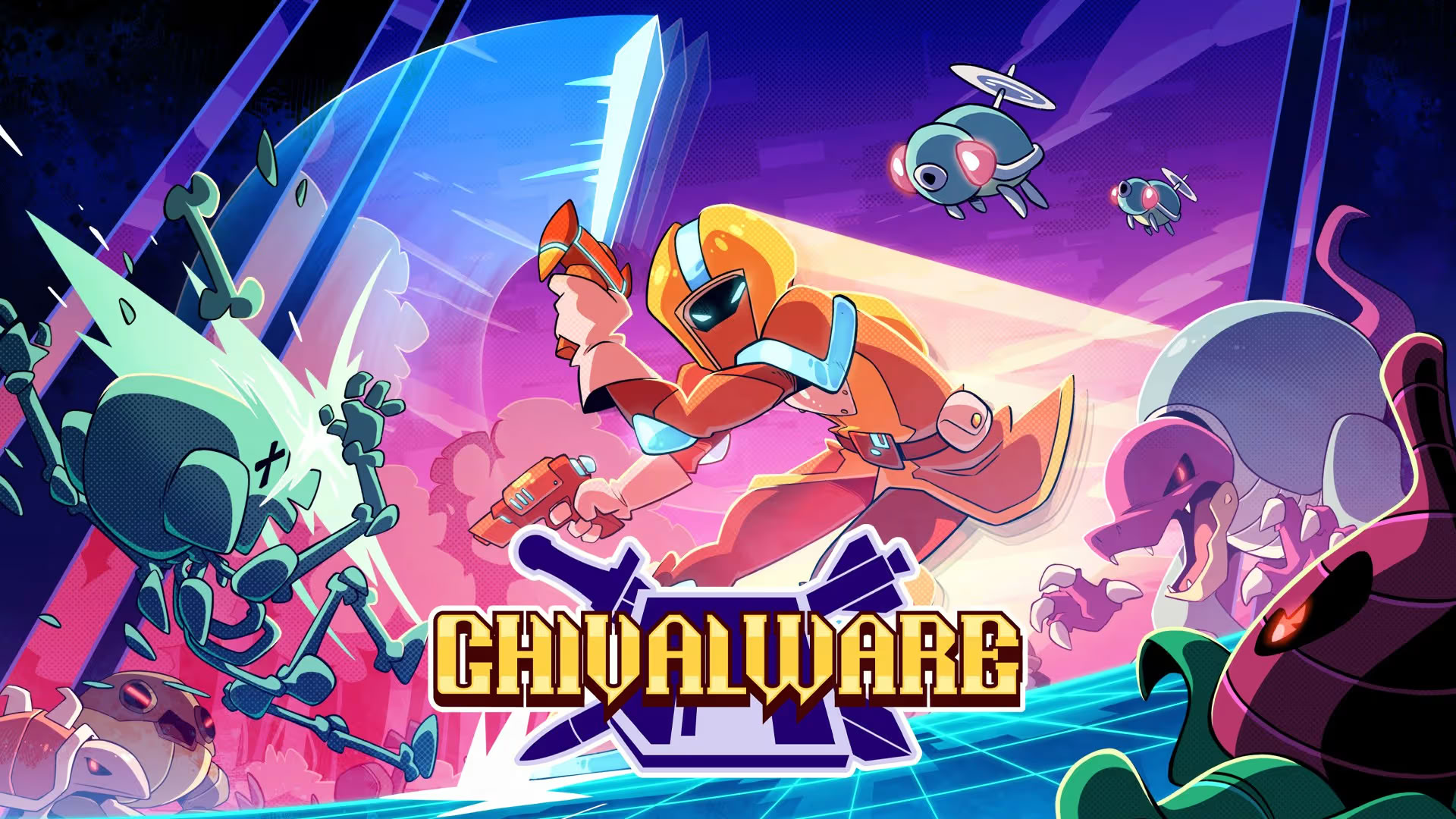
Chivalware turns tile-matching into a real-time fight for survival. Playing as a Disk Knight armed with floppy-disk weapons, you must dodge incoming attacks, match coloured tiles and charge your arsenal while fighting your way through waves of enemies. It's a simple concept on paper, but keeping track of everything happening on the battlefield makes for a surprisingly demanding experience.
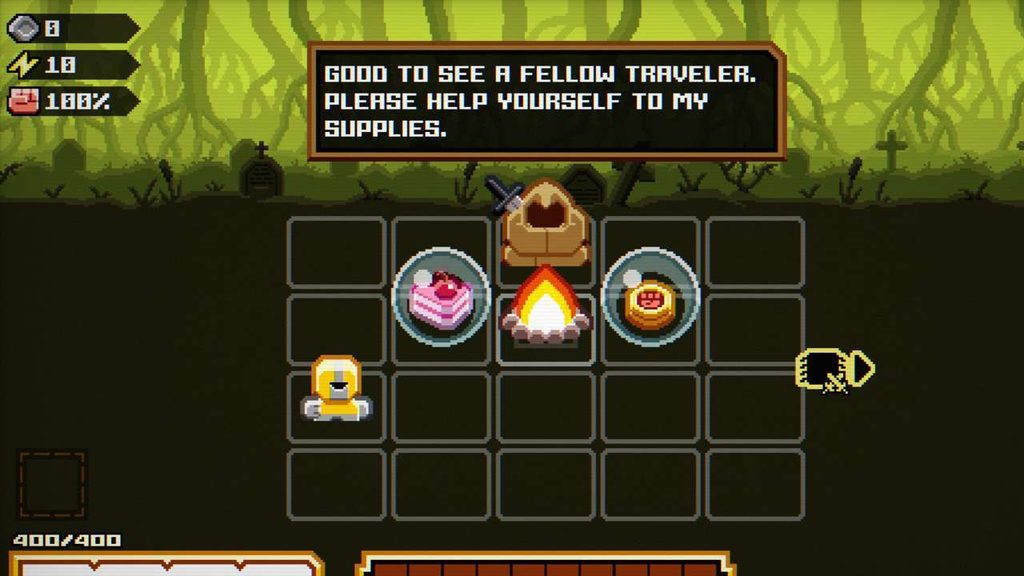
Gameplay – Match, Dodge, and Strike
The combat system is easily Chivalware's biggest strength. The game combines grid-based combat inspired by Mega Man Battle Network with match-three mechanics and roguelite progression. Instead of simply attacking enemies, you need to manage your weapons and the battlefield at the same time.
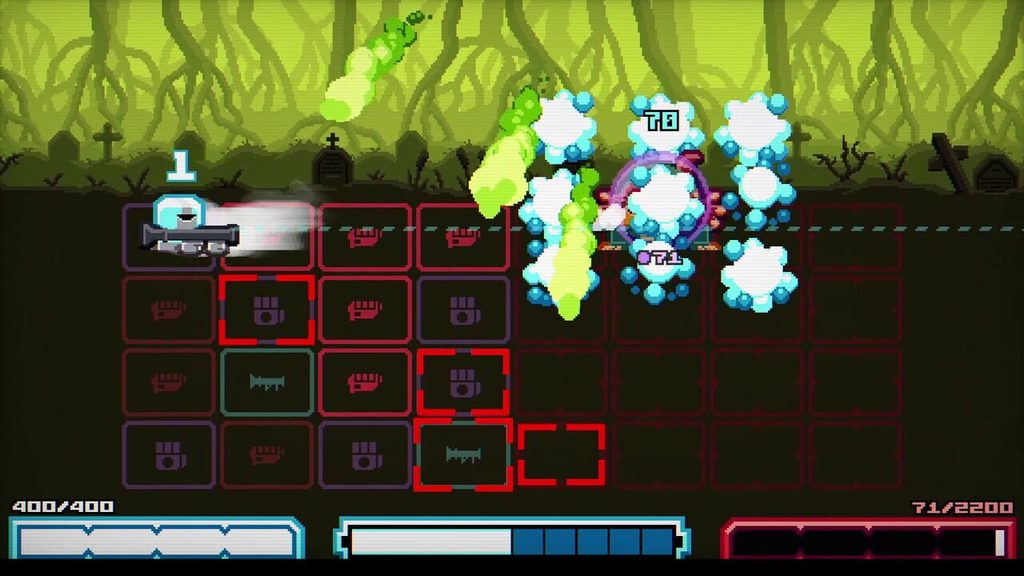
Each Disk Knight can equip up to three weapons, represented by blue, orange and purple tiles. To charge a weapon, you need to match at least three tiles of its corresponding colour on your side of the 4×4 grid. Larger matches provide more opportunities to attack, making it important to plan ahead rather than simply clear whatever tiles are available.
Of course, enemies won't give you much time to think. Their attacks force you to keep moving, read their patterns and find safe opportunities to charge your weapons. Sometimes you'll have to abandon a potentially good match just to avoid taking damage, while other encounters require you to switch weapons to deal with specific enemy defences.
There's also more to tile management than matching colours. You can clear unwanted tiles by striking the battlefield, opening up new opportunities for combinations. However, managing the grid isn't always straightforward, and some actions can affect your weapon charges. Learning when to make a match and when to reorganise the board becomes an important part of mastering combat.
The result is a combat loop that constantly keeps you on your toes. It takes a while to get comfortable with all the mechanics, but once everything clicks, fights become much more satisfying.
Weapons, Builds, and Progression
Chivalware offers plenty of room for experimentation. There are five playable Disk Knights, each with a unique mechanic, alongside more than 80 weapons and over 150 upgrades to unlock.
Weapons come with different ranges, attack patterns and special effects. Some focus on direct damage, while others can inflict poison, freeze enemies or create opportunities for more powerful attacks. Finding weapons that complement each other is essential, especially when facing tougher opponents.
The passive upgrade system adds another layer to the experience. Certain upgrades can significantly change how a run unfolds, encouraging you to experiment with different combinations instead of relying on the same setup every time.
This is where Chivalware's roguelite structure really shines. One run might revolve around stacking poison effects, while another could focus on freezing enemies and following up with explosive attacks. Finding a combination that works particularly well can make you feel almost unstoppable.
Progression is tied to achievements and your score on the King's Leaderboard, which gradually unlock new characters, weapons and upgrades. Rather than simply making your character stronger after every failed attempt, the game expands your options and encourages you to learn its systems.
That approach has its advantages, but it can also make early runs feel somewhat punishing.
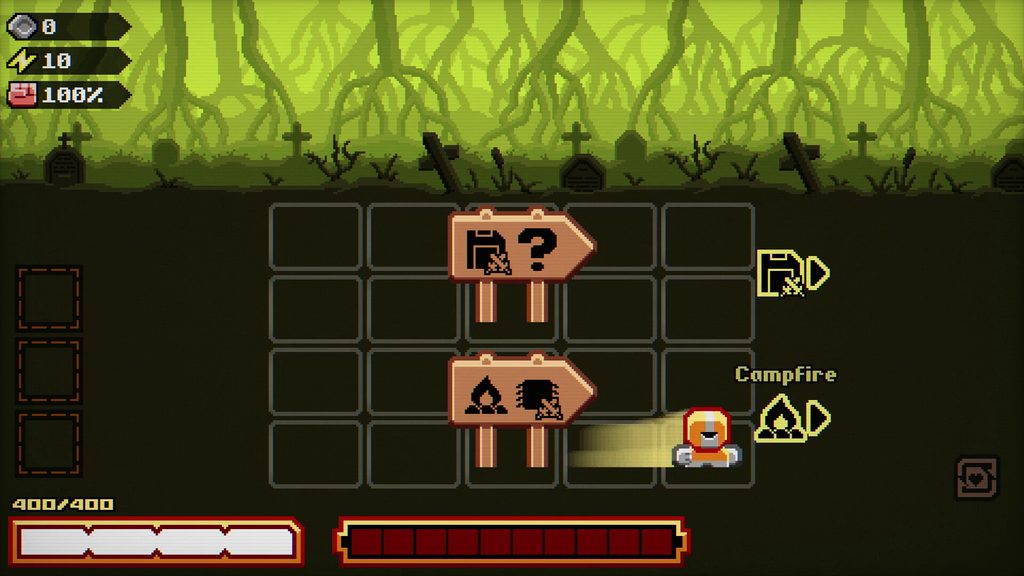
Game Modes and Replayability
Chivalware is a single-player experience with no traditional multiplayer or co-op modes. Its main attraction is the roguelite campaign, which takes you through four different biomes filled with enemies, events and boss encounters.
Each run involves moving through rooms, fighting enemies, collecting equipment and deciding which route to take. Along the way, you'll encounter shops and other events that can provide useful upgrades or force you to make difficult decisions.
Completing a run unlocks higher difficulty levels, while five additional challenge stages offer more demanding encounters for players looking to push their skills further.
The short-run structure works particularly well on Nintendo Switch 2. You can jump in, complete a few encounters and put the console down without committing to a lengthy session. At the same time, the variety of weapons and upgrades gives you a reason to come back and experiment with different builds.
However, replayability has its limits. While there are plenty of equipment combinations to discover, the relatively small selection of enemies and bosses becomes noticeable after several runs. Higher difficulties increase the challenge, but they don't always introduce enough new content to make every attempt feel meaningfully different.
A Steep Learning Curve and Limited Variety
Chivalware is easy enough to understand but considerably harder to master. During the early stages, you'll probably spend more time figuring out how weapons, colours and tile combinations work than actually planning your attacks.
Things become even more challenging when enemies start using colour-based shields and larger attacks that cover significant portions of the battlefield. Choosing the wrong weapon can leave you struggling to deal meaningful damage, while poor positioning can quickly end an otherwise promising run.
The biggest issue is that the game doesn't always do enough to maintain its momentum over longer sessions. There are plenty of weapons and upgrades, but enemy and boss variety could have been better. Once you've learned most of their attack patterns, some encounters begin to feel repetitive.
The lack of significant permanent power progression also means that failed runs can feel a little frustrating. Unlocking more equipment expands your possibilities, but it doesn't necessarily make your next attempt noticeably easier.
Still, the core combat system is strong enough to keep things interesting, especially when you're experimenting with new builds.
Chivalware is a creative roguelite that gets a lot of mileage out of its unusual combat system. Combining real-time grid-based battles with tile matching creates an experience that feels different from most games in the genre. The huge selection of weapons and upgrades also gives players plenty of room to experiment and find their preferred playstyle.
Its biggest weaknesses are the steep learning curve and limited enemy and boss variety. While the combat remains enjoyable throughout, the overall experience could have benefited from more encounters and a stronger sense of long-term progression.
At $9.99, Chivalware is an easy recommendation for fans of roguelites, tactical combat and games that reward experimentation. It doesn't quite have the depth or variety to stand alongside the genre's best, but its core idea is strong enough to make it worth checking out.
We played Chivalware on Switch 2.
Ako tražite povoljnije cene za igre, DLC-ove i druge digitalne proizvode, posetite Eneba i pogledajte aktuelnu ponudu.
Pre kupovine obavezno unesite naš promo kod BUFFGAMING i ostvarite dodatnih 5% popusta.
Kupi igre, poklon-kartice i dopune povoljnije