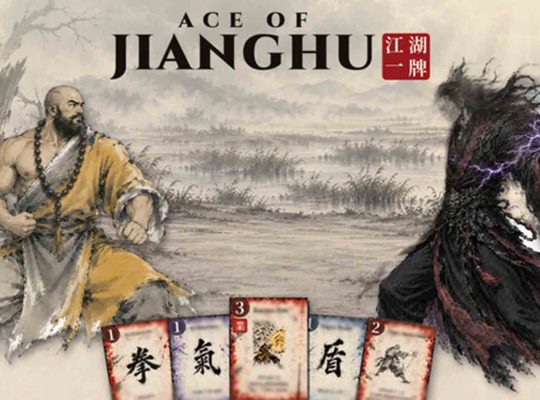
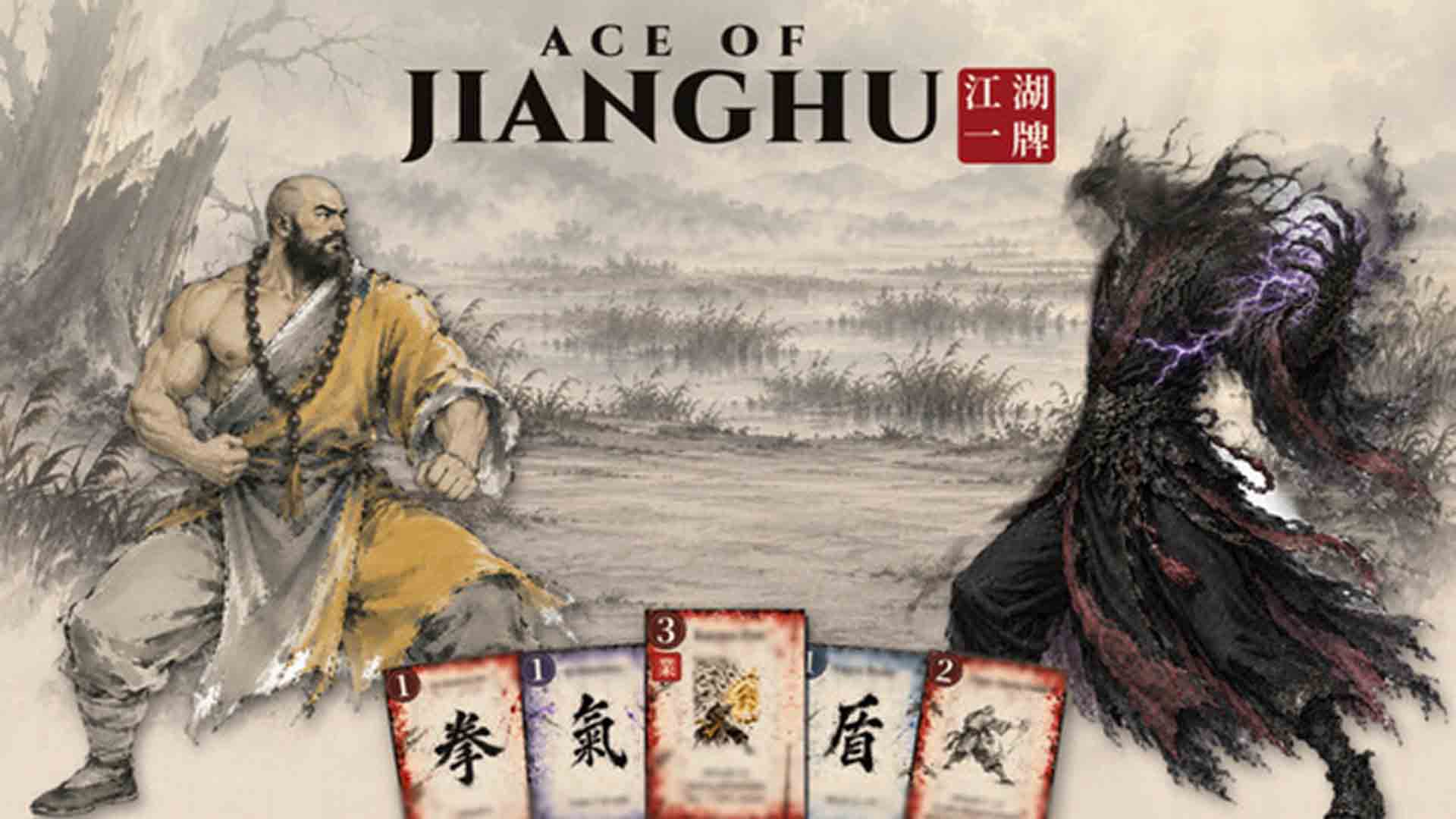
Combining Chinese wuxia themes with deckbuilding mechanics isn't exactly something we see every day, which makes Ace of Jianghu an interesting prospect right out of the gate. Developed by a solo creator who also happens to be a wuxia novelist, this indie project aims to bring martial arts, rival schools, personal vendettas, and the politics of the Jianghu world into a card-driven adventure.
The game takes us into Jianghu, a world shaped by martial arts schools, wandering warriors, and conflicting ideals. Players can choose between four protagonists, each affiliated with a different faction: Shaolin, Wudang, the Unorthodox Alliance, and the Heavenly Demon Cult. Each faction comes with its own storyline and, more importantly, a distinct approach to combat.
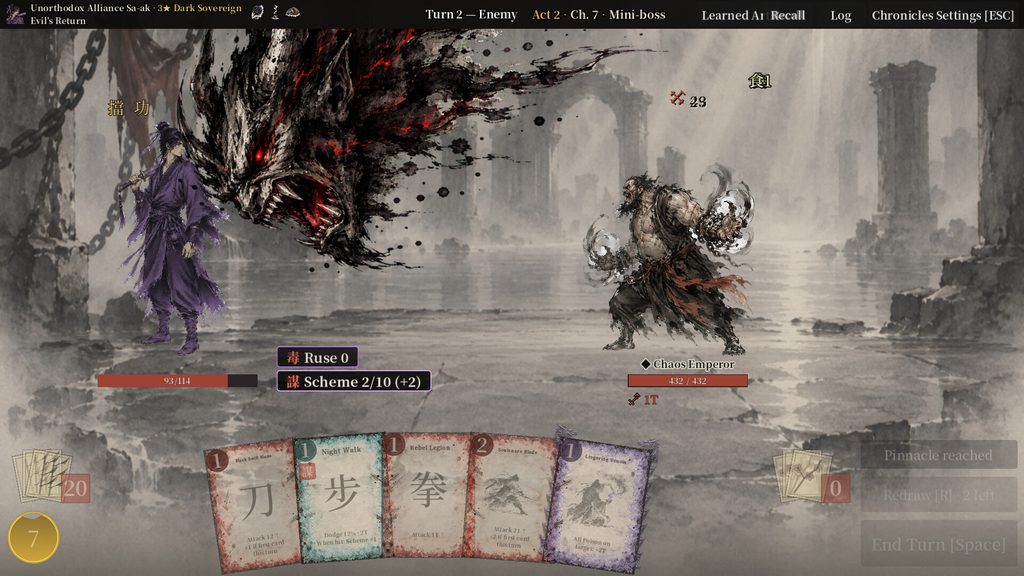
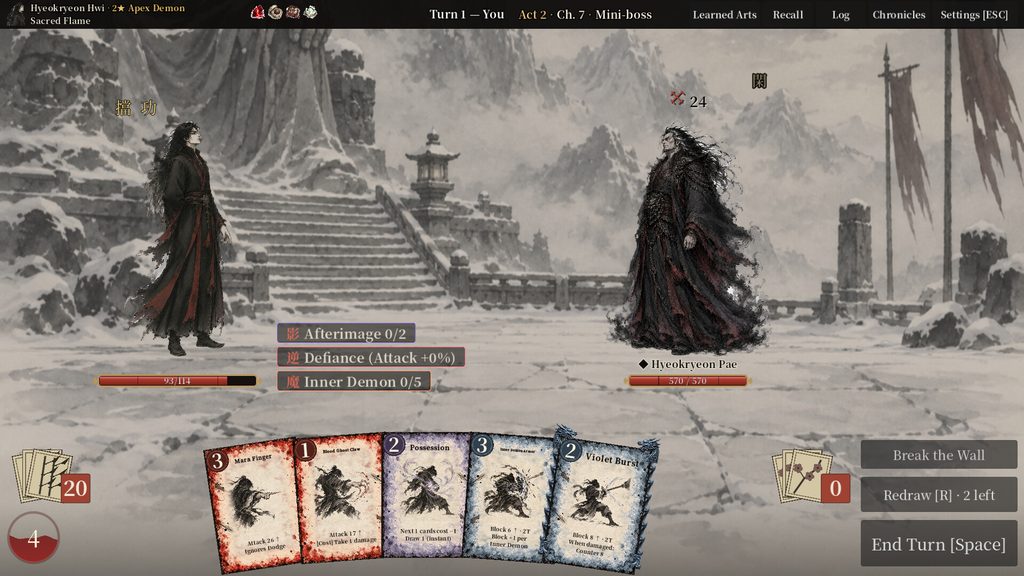
Shaolin focuses on building up defense and turning it into devastating attacks, while Wudang relies on evasion and redirecting enemy strikes to generate resources. The Unorthodox Alliance takes a more calculated approach, building up Scheme through combat before unleashing powerful finishing moves. Meanwhile, the Heavenly Demon Cult revolves around the Inner Demon mechanic, which involves sacrificing certain resources in exchange for overwhelming offensive power.
This is arguably one of the game's most interesting ideas. Rather than simply offering different character portraits and a handful of stat changes, each faction is built around a unique mechanic that should influence how players construct their decks and approach encounters. On paper, that's a solid foundation for a deckbuilder, provided the different playstyles remain balanced and offer enough room for experimentation.
Combat That Rewards Reading Your Opponent
At its core, Ace of Jianghu features turn-based combat built around cards representing different martial arts techniques. However, there's an additional tactical layer worth highlighting: enemies telegraph their intentions and reveal what kind of attack they're preparing. This gives players a chance to decide whether to block, dodge, or go on the offensive before the opponent gets a chance to strike.
The Breakthrough system adds another interesting wrinkle to the combat. At certain points, players can invest all their accumulated Qi into an attempt to reach a higher level of martial arts mastery. Success unlocks access to a special technique tied to the chosen faction, while failure means losing the invested resources and wasting the turn.
It's a classic risk-versus-reward mechanic, forcing players to think twice before going all in. Do you take a gamble and potentially turn the tide of battle, or play it safe and save your resources for another opportunity? That kind of decision-making can go a long way toward keeping turn-based encounters engaging.
Progression doesn't stop at collecting new cards, either. The Mind Arts system allows for further customization of each character's fighting style, while mastering individual techniques can unlock additional ways to approach combat. With 166 cards and 33 relics available, there's a reasonable amount of room for experimenting with different builds and synergies.
That said, a large card pool doesn't automatically translate into meaningful variety. What really matters in a game like this is how well the individual cards work together, how many viable strategies are available, and whether players can avoid falling into a situation where only a handful of optimal builds are worth using. This is especially important for Ace of Jianghu, as its combat balance is still being refined during Early Access.
A Story That Plays a Bigger Role
Unlike many deckbuilders that use their narrative mainly as an excuse to string together a series of battles, Ace of Jianghu appears to put considerably more emphasis on its world and the people who inhabit it.
Each of the four protagonists has three narrative paths, bringing the total to 12 different story routes. Player choices influence encounters, the characters they meet, and how individual storylines unfold.
The developer also highlights the fact that the dialogue, character biographies, and card descriptions are written by the game's creator. More than 80 named characters are featured through the Figures collection, while Jianghu Chronicles keeps track of important events and decisions made throughout the adventure.
This approach suggests that cards are meant to be more than just tools for dealing damage. They're also part of a larger world the developer is trying to bring to life.
Another interesting design choice is the decision to move away from the usual fantasy tropes involving immortals, magical elixirs, and transcending human limitations. Instead, the story focuses on ordinary people, their ambitions, rivalries, and the consequences of their actions. It's a different take on wuxia storytelling, particularly for players who prefer political intrigue, personal vendettas, and faction conflicts over more fantastical elements.
Visual Identity and the Use of Generative AI
Ace of Jianghu draws heavily on traditional Chinese ink and watercolor painting for its visual identity. Characters, cards, and environments follow the same artistic direction, which is particularly important for a project looking to establish a recognizable atmosphere. According to the available information, the game features more than 160 card illustrations, all intended to fit within this broader visual style.
However, there's one aspect that deserves a closer look. The developer has openly stated that generative AI tools were used to create the illustrations, music, and sound effects, followed by a selection and refinement process. Both the Chinese and English translations were also prepared with the help of AI, while the story and overall game design remain the developer's own work.
This is worth mentioning, especially at a time when the use of generative AI in video game development continues to spark debate. Using these tools doesn't automatically mean the end result will look or sound bad, but it does raise questions about artistic consistency and whether everything comes together as a cohesive whole.
The English translation is another point to keep an eye on, as the developer has acknowledged that it still needs additional polishing. Spanish language support is also missing at the moment. For a game that places such a strong emphasis on storytelling, these details are hardly insignificant.
Early Access Comes With Some Clear Limitations
Ace of Jianghu entered Early Access with its main story campaign playable from beginning to end. All four factions and their 12 narrative paths are available, alongside the card and relic collections and Nine Heavens, a challenge mode featuring nine increasingly demanding levels.
However, there's one notable omission for fans of the deckbuilding genre. Endless Jianghu, an additional roguelike mode designed to offer a different structure and fresh combinations with each run, isn't available yet. The developer plans to introduce it with the full release, while the current Early Access roadmap points to a development period of roughly six to twelve months.
In other words, the narrative side of the game is already in place, but some of the content that could give it long-term replay value is still missing. Further balancing, translation improvements, and quality-of-life updates are also part of the developer's plans.
Considering that this is a solo development project, that approach isn't particularly surprising. Still, the fact that a game comes from a small indie creator doesn't mean players should lower their expectations when paying for an Early Access release.
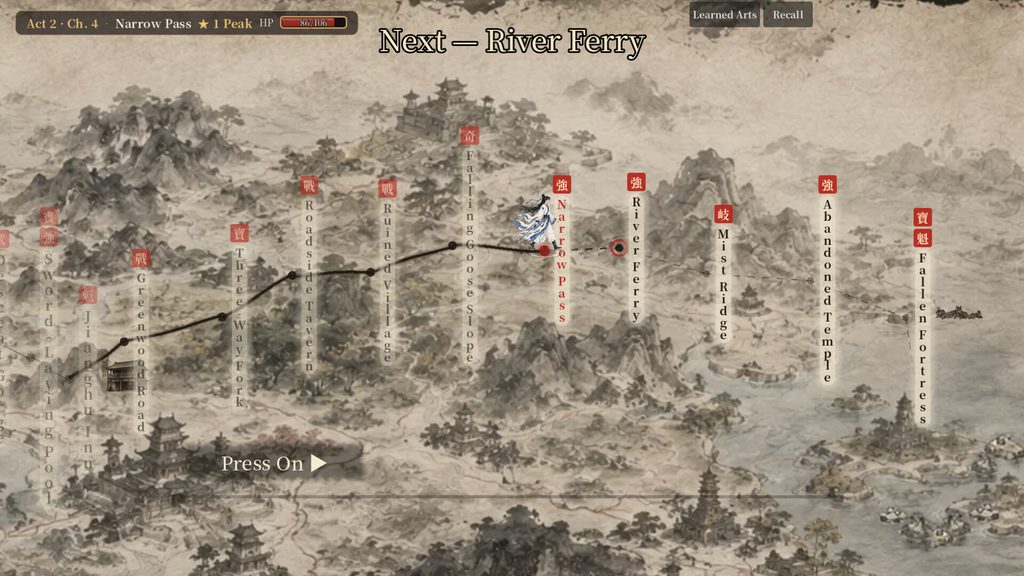
Ace of Jianghu has a fairly clear identity and a few ideas that help it stand out in an increasingly crowded deckbuilding scene. The wuxia setting isn't just window dressing; it feeds into the combat mechanics, faction design, and narrative structure. Four distinct schools, 12 story paths, and a progression system provide a solid foundation, while the Breakthrough mechanic introduces an interesting element of risk into tactical encounters.
On the other hand, the absence of Endless Jianghu, ongoing balance adjustments, and the use of generative AI for much of the artistic and audio content are all factors potential buyers should take into consideration. There's also the question of
Ako tražite povoljnije cene za igre, DLC-ove i druge digitalne proizvode, posetite Eneba i pogledajte aktuelnu ponudu.
Pre kupovine obavezno unesite naš promo kod BUFFGAMING i ostvarite dodatnih 5% popusta.
Kupi igre, poklon-kartice i dopune povoljnije