
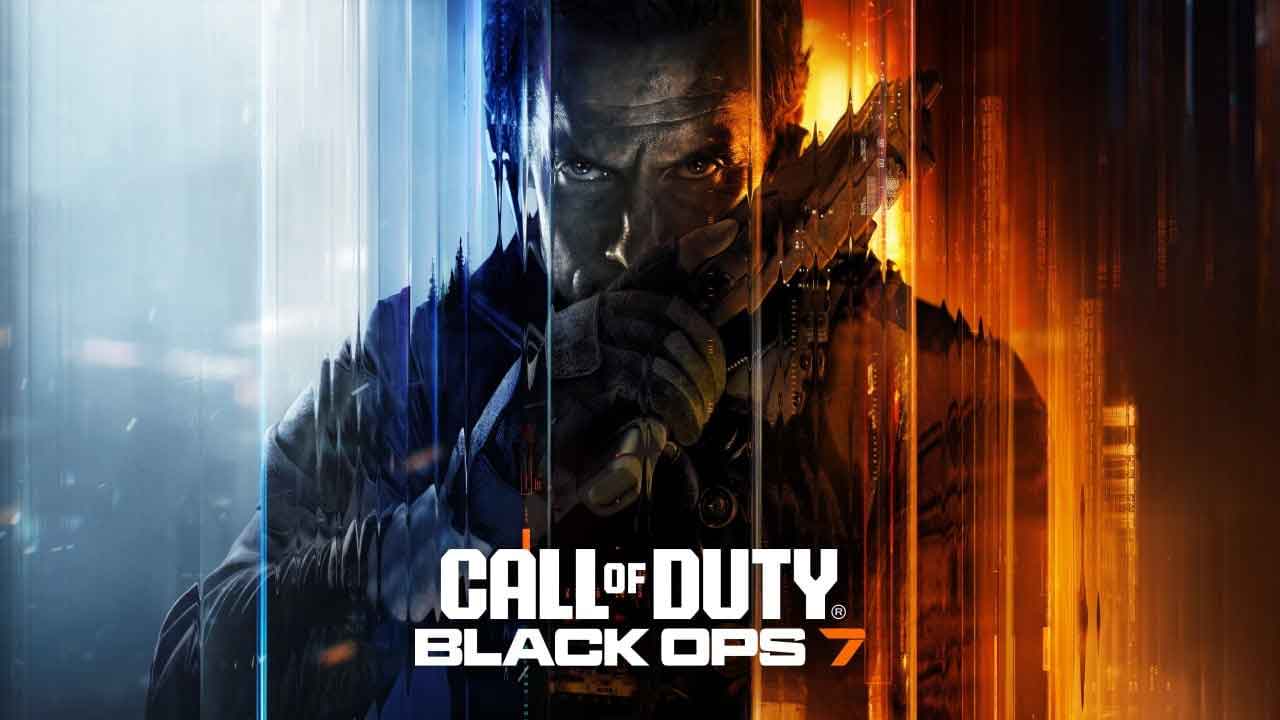
Call of Duty: Black Ops 7: Call of Duty: Black Ops 7 is a game of extremes. On one hand, it delivers a fast, enjoyable multiplayer experience and a Zombies mode that successfully captures much of what made the series so beloved. On the other, its campaign is a confused and often frustrating experience that relies too heavily on nostalgia, hallucination-driven storytelling, and questionable design decisions. – NemanjaKocica
Call of Duty is a name recognized even by people who have little to no interest in video games. The Black Ops sub-series, in particular, carries a certain weight. From the original Black Ops to the present day, this branch of the franchise has become synonymous with intense action campaigns, outstanding multiplayer experiences, and the iconic Zombies mode. Across more than a decade and multiple entries, Black Ops has remained one of the defining forces of the FPS genre and one of the most successful shooter franchises of all time.
That is precisely why expectations for Black Ops 7 were so high. Fans were hoping for a title that would refresh the formula, address the shortcomings of previous entries, and finally bring back that unmistakable feeling that made the series special in the first place. Now that the game has arrived, it's time to find out whether it actually delivers on those expectations.
Call of Duty: Black Ops 7 tries to be everything at once—a massive multiplayer package, the return of the legendary Zombies mode, and an experimental campaign that, at least on paper, is designed as a four-player cooperative experience.
Black Ops 7 is a game filled with ambitious ideas, enormous potential, and a clear desire to offer players a substantial amount of content. However, many of the development decisions suggest that this potential was often sacrificed in favor of speed, profit, and routine. Multiplayer is enjoyable, Zombies remains worthwhile, but the campaign and several artistic choices reveal a franchise that is evolving in ways many longtime fans may not appreciate.
Since everyone approaches Call of Duty differently and tends to focus on specific modes, I've decided to structure this review in the same way. That's both a blessing and a curse because, by the end of it all, it's difficult to find a perfect middle ground when evaluating a game that swings so dramatically between brilliance and disappointment.
Multiplayer — Still the Best Part of the Game, But…
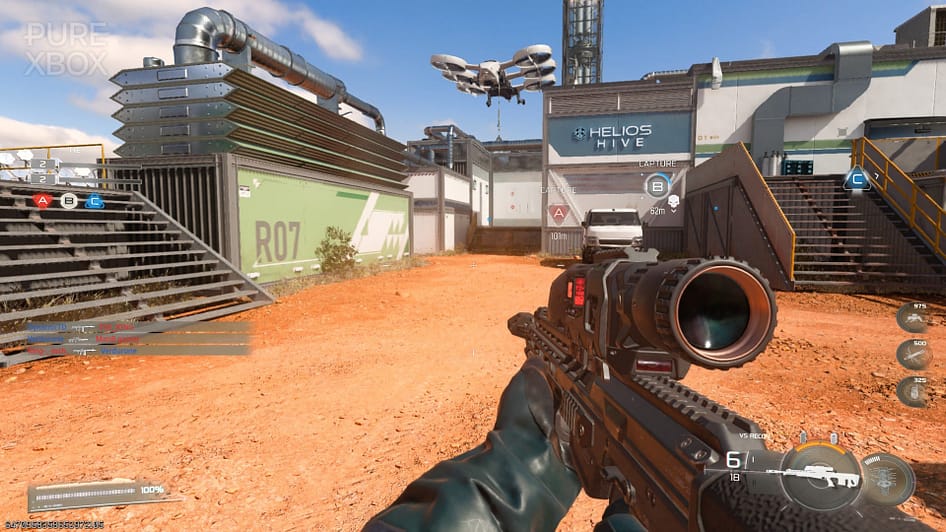
Multiplayer remains the heart of the experience and the main reason people keep coming back to Call of Duty year after year. Gunplay still carries that unmistakable CoD weight, matches move at a blistering pace, and the variety of maps and modes offers something for nearly every playstyle. Skirmish and larger team-based modes slow things down just enough to let you breathe, think, and approach engagements more tactically.
That said, Black Ops 7 also comes with some of the more frustrating modern design trends. The omni-movement system—wall jumps, dashes, slide-to-ADS transitions, and similar mechanics—dramatically expands player mobility and allows for more fluid, cinematic movement. However, it also raises the skill floor for newcomers and creates situations where speed and movement often matter more than simple gunplay.
Omni-movement is undeniably impressive from a technical standpoint and certainly makes matches more spectacular to watch, but it also changes the fundamental feel of Call of Duty. In many ways, it pushes the franchise closer to classic arena shooters like Quake or Unreal Tournament than the traditional military shooter identity it built its reputation on.
The second major issue is the game's economy—and it's a significant one. Microtransactions, battle passes, seasonal content, Call of Duty Points, and the yearly grind for Master Camos and Prestige rewards create a constant feeling that you're either paying to keep up or dedicating most of your gaming time exclusively to Call of Duty. Which, let's be honest, is probably the intended outcome.
The game's monetization strategy constantly reminds you that this is not just a game—it's a carefully constructed revenue machine. At this point, the franchise desperately needs a break from its annual release cycle. Instead of repeating the same structure every year and burdening players with endless grinds, microtransactions, and the expectation of spending another $70 on the next “new” Call of Duty, Activision should seriously reconsider the long-term direction of the series.
At the end of the day, Black Ops 7's multiplayer is genuinely excellent when you ignore the economic friction and simply focus on playing matches. Unfortunately, the progression systems, endless grind, and paid shortcuts cast a long shadow over what is otherwise a very good multiplayer experience.
Zombies
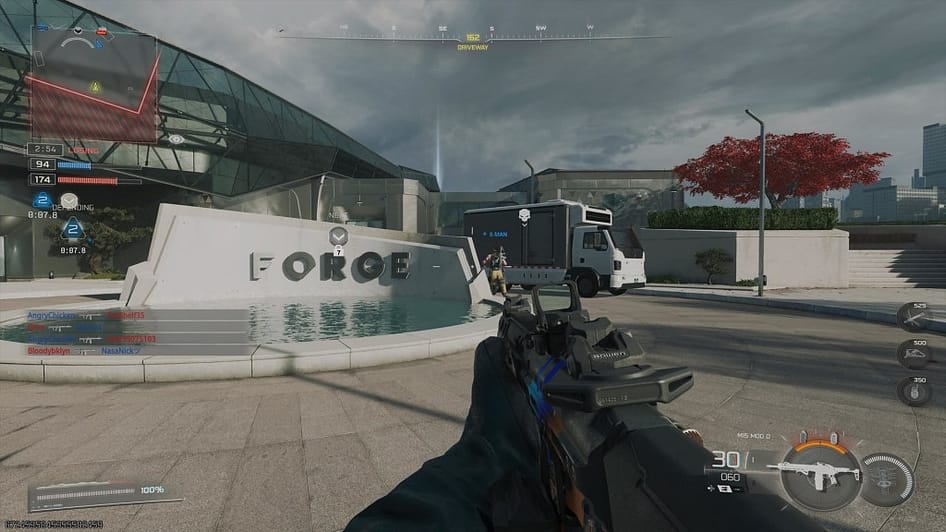
Zombies may be the only part of Black Ops 7 that I have very few complaints about. It still understands what made the mode special in the first place: atmosphere, tense survival, and teamwork. More importantly, it proves that the series still remembers why people fell in love with Zombies all those years ago.
The classic wave-based survival experience is still here, challenging players to last as long as possible against increasingly difficult hordes. With every round, enemies become more aggressive, resources become scarcer, and survival requires more coordination and smarter decision-making. It successfully brings back that familiar feeling of being completely overwhelmed and fighting against impossible odds.
There are also modes with a reduced HUD, no minimap, and significantly more aggressive enemies, creating a much more chaotic and unpredictable experience. This is where Black Ops 7 captures that old-school zombie horror atmosphere that once defined the mode and made it so memorable.
If you're the type of player who enjoys spending hours surviving alongside friends, you'll find plenty to like here. There's a genuine sense of progression, constant tension, and the need for strong teamwork. When everything clicks and your squad knows exactly what it's doing, Zombies can be incredibly rewarding.
That doesn't mean it's flawless. Loot progression occasionally feels a bit too linear, and some horde encounters can become repetitive during longer sessions. Still, compared to the campaign, Zombies stands out as one of the game's brightest spots and one of the few areas where Black Ops 7 consistently delivers on its promise.
Single-Player Campaign — Confusing, Overly Psychedelic, and Undermined by the Return of Dead Characters
I know I'm probably in the minority here, but I'm one of those people from the meme who actually enjoys playing Call of Duty campaigns. Or at least, I used to.
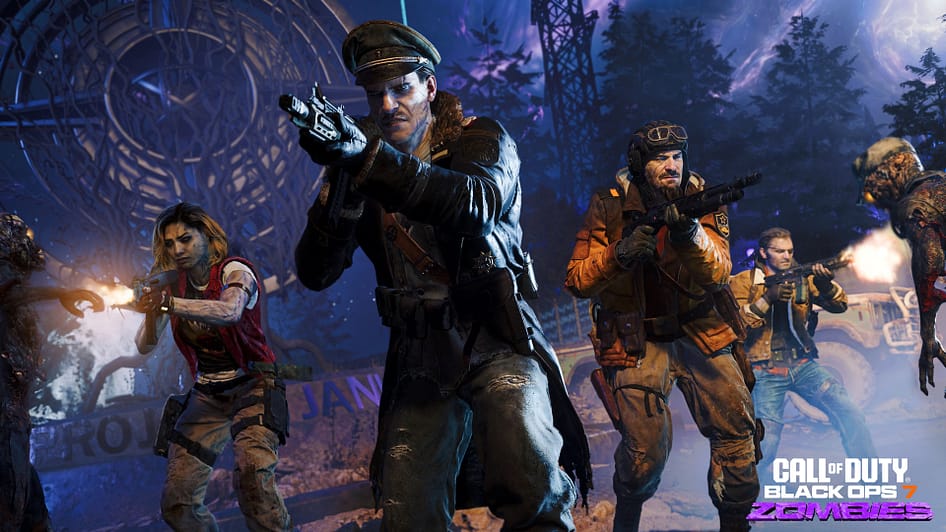
Black Ops 7 presents itself as a psychological thriller that explores themes of manipulation, chemical experimentation, and distorted perceptions of reality. In practice, however, it feels less like a carefully crafted narrative and more like an excuse to tell a story without a clear structure, proper pacing, or a strong identity. Because the entire plot revolves around its hallucinogenic premise, the campaign constantly jumps between locations, scenes, and tonal shifts as if everything was stitched together at the last minute rather than built around a cohesive creative vision.
The story heavily relies on the return of several major characters from Black Ops history—characters who, according to the series’ own timeline, are dead. The game attempts to justify their return through explanations that are, to put it mildly, a bit of a stretch.
Instead of delivering an emotional payoff, these appearances feel more like nostalgia-driven fan service. It's difficult to shake the feeling that these characters were brought back simply because the developers knew players would recognize them. Many of them had already received definitive conclusions in previous games, yet Black Ops 7 pulls them back into the story through explanations tied to hallucinations, fragmented memories, and altered states of consciousness.
The result is a narrative that effectively gives itself permission to rewrite or retcon anything it wants. Whenever the story runs into a problem, the answer often seems to be, “Maybe it was real. Maybe it wasn't.” While that approach can work in moderation, Black Ops 7 leans on it so heavily that it eventually undermines the stakes, the characters, and the overall plot.
Even the mission structure reinforces this feeling of improvisation. Large portions of the campaign appear to be visually stitched together from existing multiplayer maps and reused assets. The game tries to justify these choices through its hallucinatory themes and reality-bending narrative, but in practice it often feels more like a case of “let's use what we already have” rather than a deliberate creative decision.
Instead of exploring new, memorable locations built specifically for the campaign, players are presented with fragmented sequences that often resemble a collage of recycled environments. At times, it feels less like a AAA campaign and more like something assembled using a map editor from another game.
The situation is made even worse by the campaign's always-online requirement. You can't truly pause the game, inactivity can get you kicked out, and on occasion complete strangers can even join your session. That's a bizarre decision for a mode that desperately wants to be treated as a psychological drama. How are players supposed to become invested in the story when the game treats it like a live-service activity?
To its credit, the campaign occasionally manages to create atmosphere, build tension, and even deliver a few emotional moments. Unfortunately, those moments are buried beneath technical restrictions, experimental ideas without a clear purpose, and narrative detours that feel as if they were written independently rather than as part of a single creative vision.
In the end, the story does leave an impression—just not the one it intended. It frustrates more than it engages, confuses more than it intrigues, and feels less like a bold new beginning for the series and more like a symptom of a franchise running out of steam.
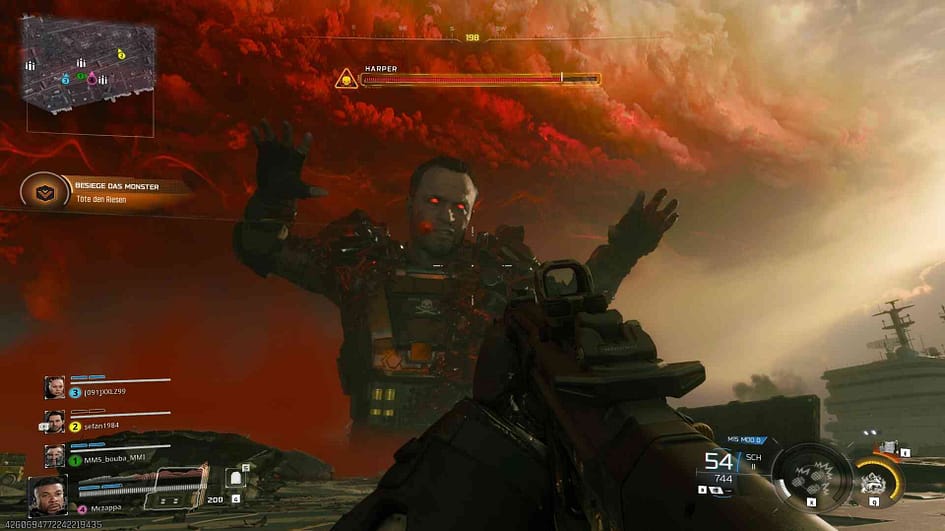
Endgame
The new bonus mode is called Endgame, and it's essentially Call of Duty's take on the extraction-shooter formula. You enter a hostile zone, gather loot, complete objectives, and attempt to extract before the situation becomes increasingly dangerous.
Endgame offers a very different pace compared to traditional 6v6 multiplayer. It features exclusive rewards, unique camouflage unlocks, and progression paths that require genuine commitment to complete. Originally, the mode was locked behind campaign progression, but following community backlash, Activision decided to make it available to all players. That decision alone feels like an admission that hiding one of the game's better features behind one of its weakest components was a mistake.
Endgame serves as a good example of how Black Ops 7 can still deliver fresh and engaging content when it wants to. It's just unfortunate that the developers initially chose to place it behind a campaign that many players won't enjoy enough to finish.
AI in Black Ops 7
We can probably all agree that Call of Duty is marketed as a premium product. That's exactly why the game's use of AI-generated content is so surprising—and disappointing.
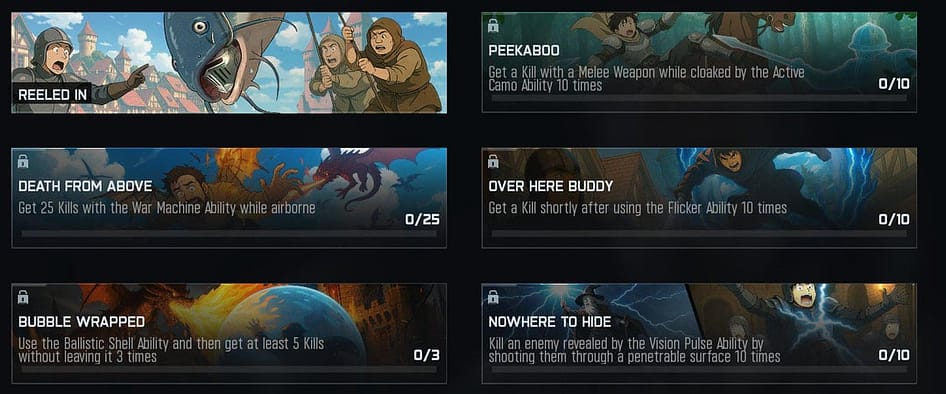
One of Black Ops 7's biggest issues isn't limited to the campaign, balancing, or monetization. The game also makes noticeable use of AI-generated artwork. Activision openly states on the game's official store page that “generative AI tools” were used in the creation of certain in-game visual assets.
Specifically, many calling cards, posters, reward icons, and other minor visual elements appear to have been generated using AI. Some of them feature an art style reminiscent of Studio Ghibli, while also displaying familiar signs of AI-generated content such as awkward proportions, unnatural textures, and other visual inconsistencies.
Unsurprisingly, many fans have reacted negatively. Their argument is simple: if you're charging full AAA price for a game, players expect handcrafted artwork, not generic assets that look unfinished or automatically generated. Some criticism has been particularly harsh, with players describing these visuals as the result of prioritizing quick profits over artistic quality.
To be fair, there is currently no public evidence suggesting that AI was used to create character models, weapons, or environments. The technology appears to have been limited to secondary assets such as posters, reward icons, and calling cards.
Even so, the message it sends is hard to ignore. It suggests an industry increasingly willing to cut costs by replacing artists with automated tools whenever possible. While these assets don't directly affect gameplay, they do affect the game's identity, authenticity, and ultimately the feeling that you've purchased a premium product rather than a collection of assets generated at the press of a button.
For me, this represents a significant failure of priorities. Black Ops 7 is sold as a major AAA release, yet some of its decisions and visual assets suggest that maximizing profits has become more important than maintaining quality and artistic integrity.
Call of Duty Finally Has Competition
When you compare Black Ops 7 to Battlefield 6 and the increasingly popular ARC Raiders, it's hard to ignore the feeling that the FPS and shooter market is shifting in a significant way. For the first time in years, Call of Duty no longer feels untouchable.
EA and the Battlefield team have put in the work. Through aggressive post-launch updates, balancing improvements, and a commitment to fixing early issues, Battlefield 6 has managed to win back a substantial portion of its player base. Despite a rocky start, the game has recently maintained far stronger Steam numbers than many expected, averaging around 200,000 concurrent players.
Yes, Call of Duty has traditionally been a console-focused franchise, and Steam numbers don't tell the whole story. Still, even when you combine the player counts of multiple active CoD titles, they often struggle to reach 100,000 concurrent players on Steam—and frequently sit well below that mark. Considering Steam remains the largest gaming platform in the world, it's hard to imagine Microsoft isn't paying attention to those numbers.
ARC Raiders, meanwhile, has been one of the biggest surprises of the year. While it's not a direct competitor in the military FPS space, its growing popularity and increasing Twitch viewership suggest that players are actively looking for alternatives to established franchises that rely more on habit and brand recognition than innovation.
There have even been moments when ARC Raiders attracted more viewers on Twitch than the number of people actively playing Black Ops 7 on Steam. Whether that's a perfect comparison or not, it highlights an important trend: players are becoming more interested in fresh ideas and new experiences, and less impressed by massive marketing budgets or familiar logos.
Looking at the bigger picture, Call of Duty still sells millions of copies at launch. But those sales figures don't necessarily tell the entire story. Battlefield 6 is slowly rebuilding trust, ARC Raiders is attracting players eager for something different, and Call of Duty—despite remaining the biggest name in the genre—no longer feels like the undisputed king of the battlefield.
While its competitors are growing through innovation and improvement, Black Ops 7 often feels as though it's relying on momentum and brand power to carry it forward.
Call of Duty Deserves Better — And So Do Players
Black Ops 7 is a game full of ideas, potential, and a genuine desire to offer players a massive amount of content. Unfortunately, many of the decisions behind its development suggest that this potential was too often sacrificed in favor of speed, profit, and routine. Multiplayer remains enjoyable, Zombies is still worth playing, but the campaign and several creative decisions point to a franchise changing in ways that many longtime fans won't appreciate.
The use of AI-generated artwork is particularly disappointing. It sends a message that some modern AAA publishers no longer see value in human creativity when automation can accomplish the task more cheaply. It doesn't affect the shooting mechanics, map design, or gameplay directly, but it does impact the game's identity, authenticity, and perhaps most importantly, the respect shown toward both players and artists.
If you've been searching for a memorable campaign, a compelling story, and an emotional experience, Black Ops 7 will likely leave you disappointed.
If, on the other hand, you're looking for fast-paced multiplayer matches, competitive progression, loot chasing, or co-op sessions with friends, both Multiplayer and Zombies offer enough content to keep you entertained for at least a few weeks.
The question is whether that's enough for a franchise that once set the standard for the entire genre.
Call of Duty deserves better.
And so do its players.
Call of Duty: Black Ops 7 was provided for review by Computerland. We'd like to thank them for supplying the review code.
Ako tražite povoljnije cene za igre, DLC-ove i druge digitalne proizvode, posetite Eneba i pogledajte aktuelnu ponudu.
Pre kupovine obavezno unesite naš promo kod BUFFGAMING i ostvarite dodatnih 5% popusta.
Kupi igre, poklon-kartice i dopune povoljnije