
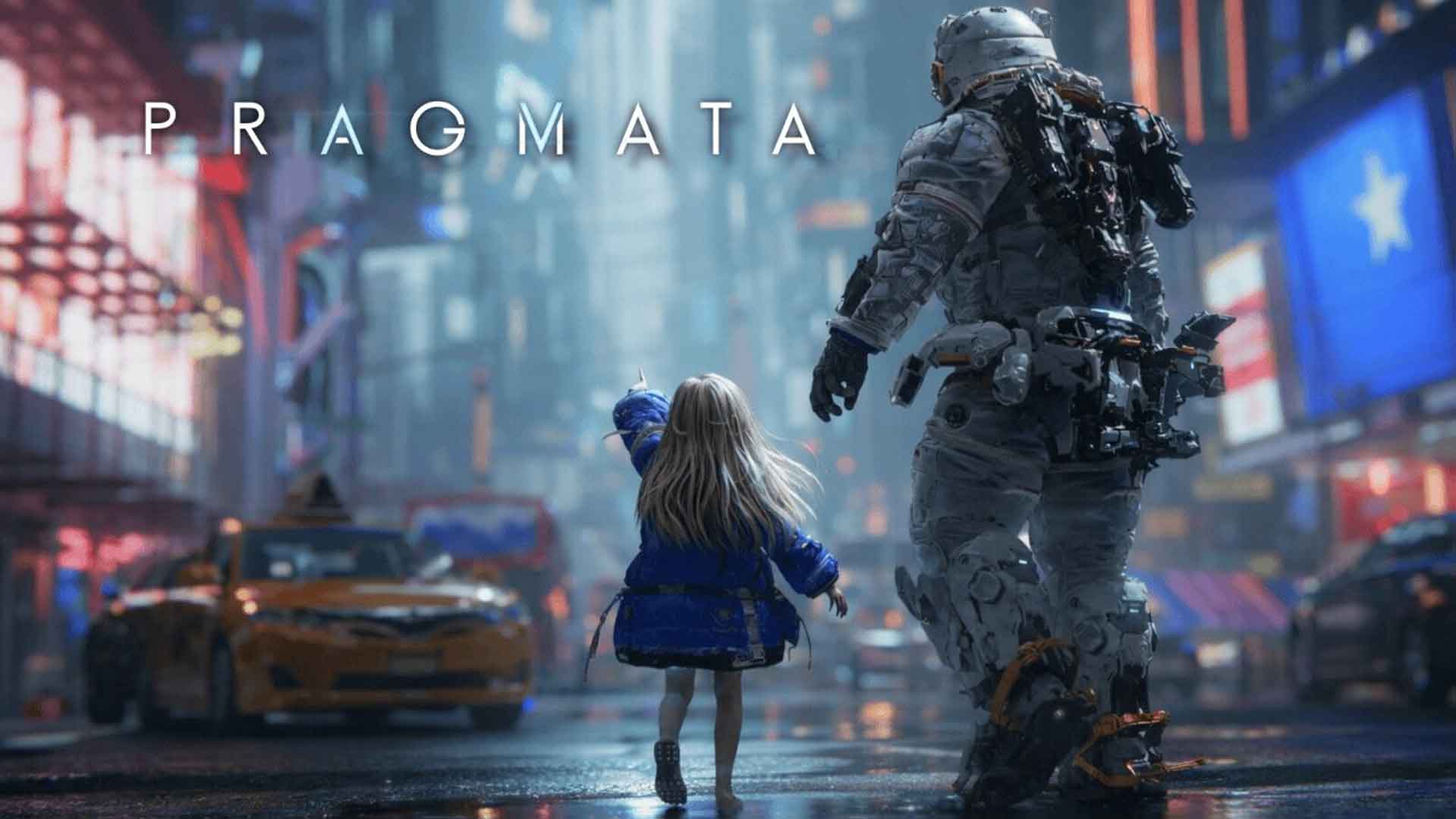
Pragmata: Pragmata may not be a revolutionary game, but it successfully delivers an interesting blend of action, hacking mechanics, and emotional storytelling. Its greatest strength is the relationship between Hugh and Diana, which carries the entire adventure. Despite a few shortcomings, the game leaves a positive impression and is absolutely worth experiencing. Pros: Interesting hacking system Emotional story and strong characters Great atmosphere Cons: Combat can feel too easy at times Minor technical issues Lacks true innovation – NikolaOtasevic
I went into Pragmata with mixed expectations, which honestly feels standard these days when it comes to big, long-awaited games. In the end, though, I was pleasantly surprised by what the game actually delivers. In a market full of titles trying too hard to be overly ambitious and unnecessarily complex, Pragmata stands out by focusing on what it genuinely does well instead of reinventing the wheel.
The gameplay itself may not be the most revolutionary thing you’ll ever see, but it makes up for that with a kind of nostalgic simplicity, atmospheric environments, surprisingly emotional and likable characters, and a mystery-driven story that keeps you invested enough to continue forward. That balance between familiarity and freshness gives the game a unique charm and makes it much easier to forgive some of its shortcomings.
The Cradle and the Beginning of the Mystery
The story takes place inside a lunar research facility known as The Cradle, where protagonist Hugh Williams awakens after a violent tremor turns his crew’s arrival into sudden chaos and disaster.
From the very beginning, it’s obvious that something is terribly wrong. The station feels abandoned, systems are malfunctioning, and danger seems to lurk around every corner. During those early moments, Hugh encounters an android who resembles a human child, later named “Diana,” and their relationship quickly becomes the emotional core of the entire game.
Diana first helps Hugh recover and then assists him in defending himself against hostile robots patrolling the facility under the control of the AI system known as IDUS. Her hacking abilities immediately become both a key gameplay mechanic and an important narrative tool connecting the two characters.
As they move deeper into the station, their goal becomes increasingly clear — survive, uncover the truth behind the disaster, and somehow reestablish contact with Earth while the mystery surrounding The Cradle slowly unfolds.
Gameplay That Combines Familiar Ideas Well
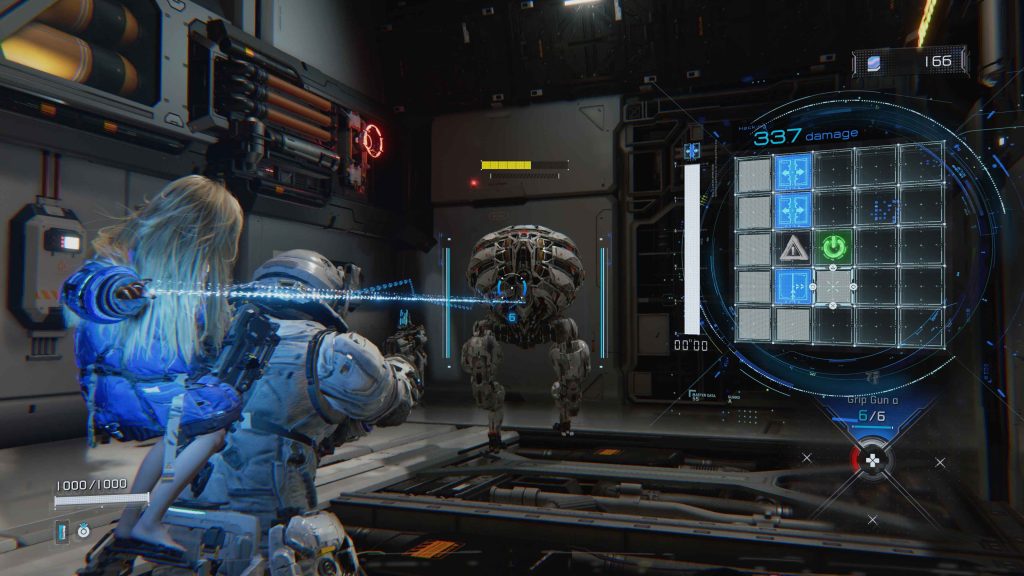
Gameplay in Pragmata blends exploration, light platforming, combat, and collectible hunting, but what truly makes it work is how naturally all of those systems complement one another.
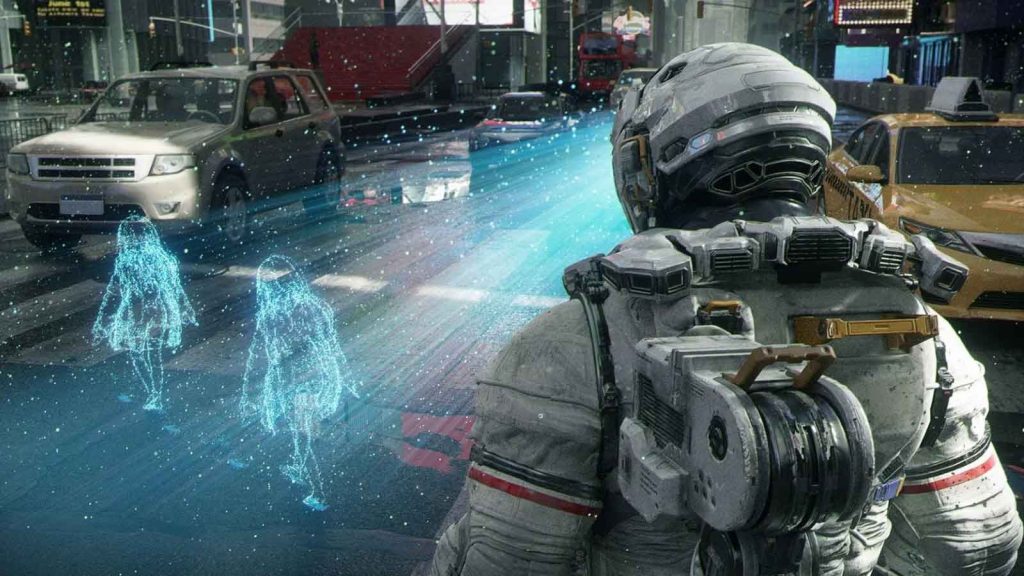
Navigating through The Cradle feels intuitive and rarely frustrating, while Diana’s scanning system helps players find their way without ever feeling overly intrusive or hand-holdy. At the same time, players who enjoy exploration are consistently rewarded with hidden items and optional discoveries that expand both progression and lore.
While the core structure feels familiar for a third-person action game, combat introduces a genuinely interesting twist through its hacking minigame system. Every encounter requires more than simply shooting enemies — Diana’s hacking abilities are essential if Hugh wants to maximize the effectiveness of his attacks.
That extra gameplay layer creates additional tension because the game never pauses while hacking is taking place, meaning you constantly feel pressure during combat.
Combat That Rewards Strategy Over Chaos
The system itself is simple to understand, but in practice it can become surprisingly intense, especially when multiple enemies attack simultaneously.
Thankfully, fights rarely feel unfair. Pragmata encourages a more tactical approach, rewarding players who target weak points and manage their resources intelligently instead of simply spraying bullets everywhere.
The weapons are also varied enough to support different playstyles. Some focus entirely on raw damage output, while others provide utility options capable of slowing enemies down or controlling the battlefield.
The loot and resource system is fairly generous, so you’ll often feel properly equipped before major encounters. In fact, whenever the game starts giving you “too many” resources, it usually means a difficult fight is right around the corner — something that strongly reminded me of other modern Capcom titles like Resident Evil 9.
Hugh and Diana Carry the Entire Story
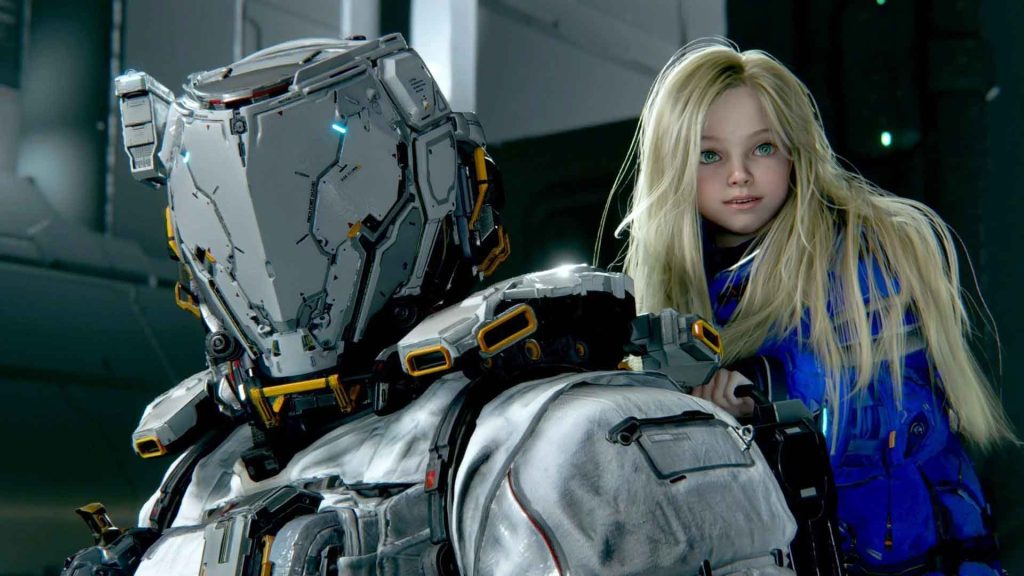
What makes the relationship between Hugh and Diana so compelling is how naturally it develops throughout the game.
At first, Hugh instinctively takes on the role of protector, while Diana comes across as curious yet vulnerable. That dynamic creates a relationship that resembles a parent-child bond without falling into obvious clichés.
Their conversations are rarely overly dramatic or exaggerated. Instead, the emotional strength of their connection comes from smaller moments, short exchanges, and even the silence shared between them.
As the story progresses, Diana gradually becomes far more than someone who simply needs protection. She evolves into an active participant in the narrative, while Hugh slowly opens up emotionally despite initially appearing distant and reserved.
That progression gives every scene more emotional weight because the player is no longer just following a survival story — they’re witnessing two characters slowly learning to trust and rely on each other.
A Narrative That Feels Emotionally Genuine
Because of that relationship, Pragmata achieves something many games attempt but very few truly accomplish — making the player emotionally invested in its characters rather than simply observing them from a distance.
It strongly reminded me of the emotional dynamic seen in The Last of Us Part I, which was one of the biggest reasons behind that game’s success. By the time Pragmata approaches its conclusion, it becomes clear that what stays with you isn’t just the gameplay or the visual design, but the emotional connection built between Hugh and Diana.
The environment itself further strengthens the storytelling. Messages, holograms, documents, and environmental details slowly reveal what actually happened inside The Cradle, constantly reinforcing the game’s atmosphere of isolation and mystery.
Technical Performance and Final Thoughts
Technically, the game runs well overall, with only minor issues that never seriously damage the experience. Accessibility options are also solid, offering enough flexibility for different types of players.
In the end, Pragmata successfully combines familiar gameplay systems with fresh ideas and a surprisingly strong narrative, creating an experience that feels entertaining, emotional, and distinct enough to leave a lasting impression.
And clearly, players responded positively — the game managed to sell over one million copies within just two days of release.
Ako tražite povoljnije cene za igre, DLC-ove i druge digitalne proizvode, posetite Eneba i pogledajte aktuelnu ponudu.
Pre kupovine obavezno unesite naš promo kod BUFFGAMING i ostvarite dodatnih 5% popusta.
Kupi igre, poklon-kartice i dopune povoljnije