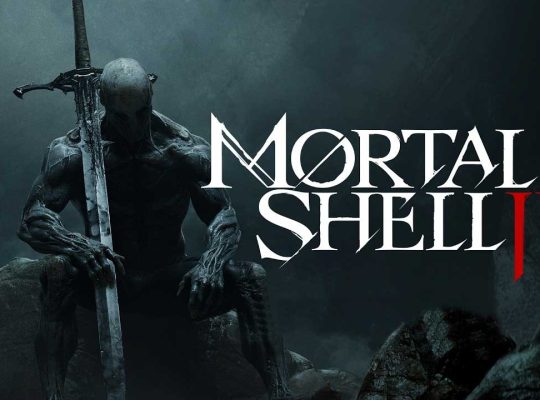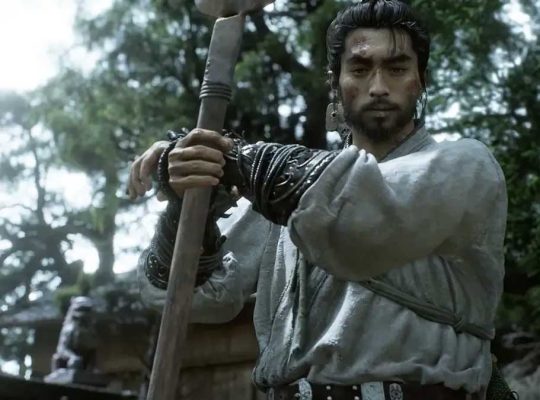

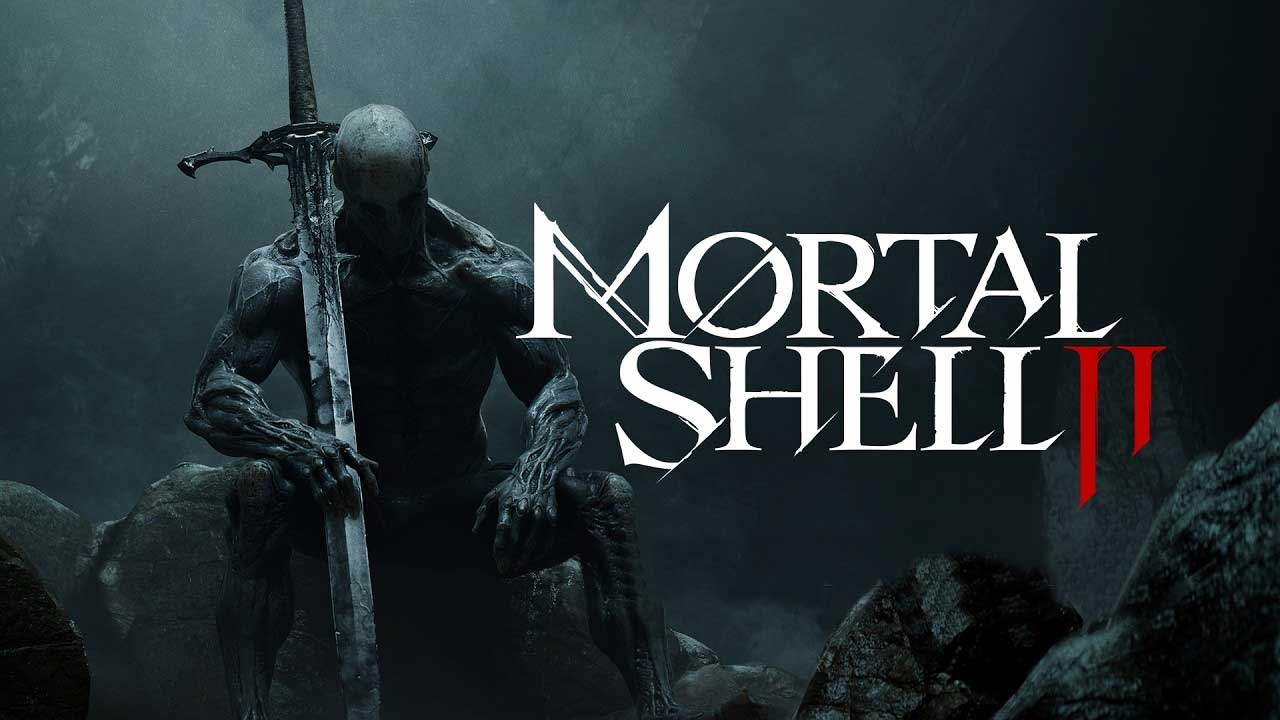
Mortal Shell II: Mortal Shell II is a more ambitious and mature sequel that keeps the strongest ideas from the original while expanding its world, combat and Shell system. While some issues remain, particularly when fighting multiple enemies and in the audio department, its dark atmosphere, striking visuals and satisfying combat make it one of the more interesting Souls-like games of the year. – NikolaOtasevic
Over the past decade, the Souls-like genre has become so saturated that it is increasingly difficult to find a game that genuinely brings something different to the formula. Most titles rely on the same foundation: challenging combat, precise timing, death, and learning through repeated mistakes. Mortal Shell in 2020 was a solid attempt to put its own spin on that formula, and now Cold Symmetry returns with Mortal Shell II, a sequel that feels significantly more ambitious and mature.
The game puts you in the role of the Harbinger, a being travelling through a dark and beautiful world in search of Shells—armour-like bodies that completely change your playstyle—and Ovums, egg-like relics connected to a godlike being known as Mether. Your goal is to collect Shells, upgrade them, and gradually uncover what is actually happening in this half-decaying world.
A World of Beauty and Nightmares
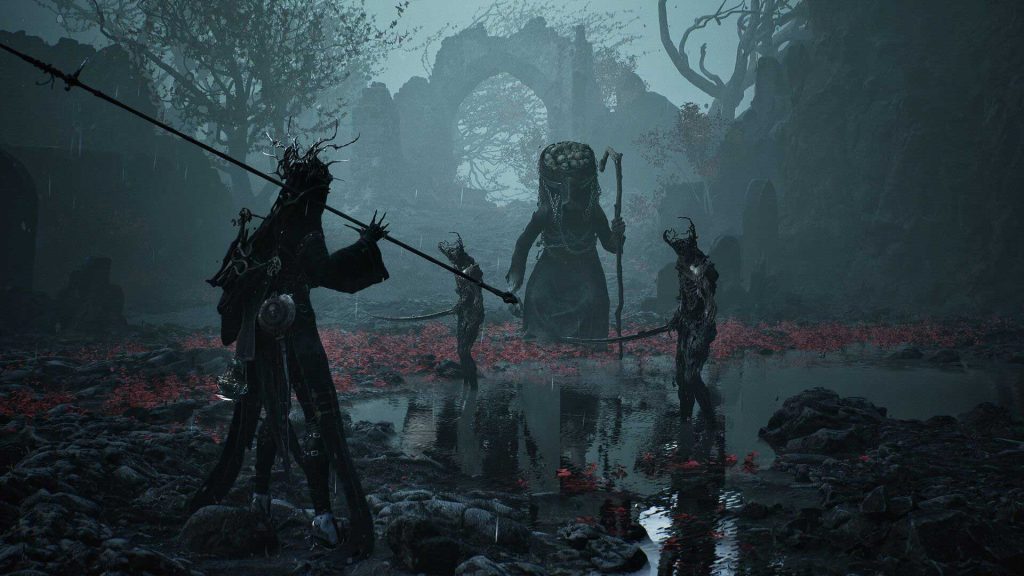
The world of Mortal Shell II is one of the game's strongest elements. It begins with the kind of dark, gothic environment you would expect, but quickly transitions into surprisingly lush and beautiful areas. The contrast between beauty and morbidity is present throughout the entire experience.
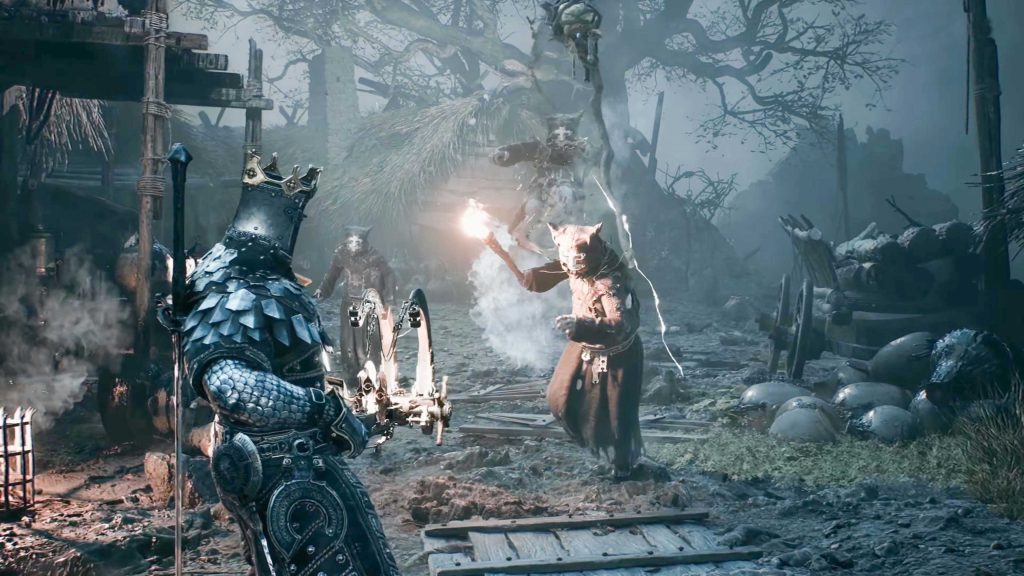
NPCs and enemies are often so bizarre and unsettling that some of them genuinely made me uncomfortable to look at. The design feels like a nightmare, but it does not rely on cheap gore or excessive body horror. Instead, the world feels like a distorted and tragic version of hell.
The open world is not simply empty space between missions either. There is plenty of verticality, hidden paths, and dungeons that feel like proper challenges rather than copy-and-paste locations. Beacons serve as hubs for resting and progressing, but even these can be “cleared,” adding another interesting layer to exploration.
Combat and the Shell System
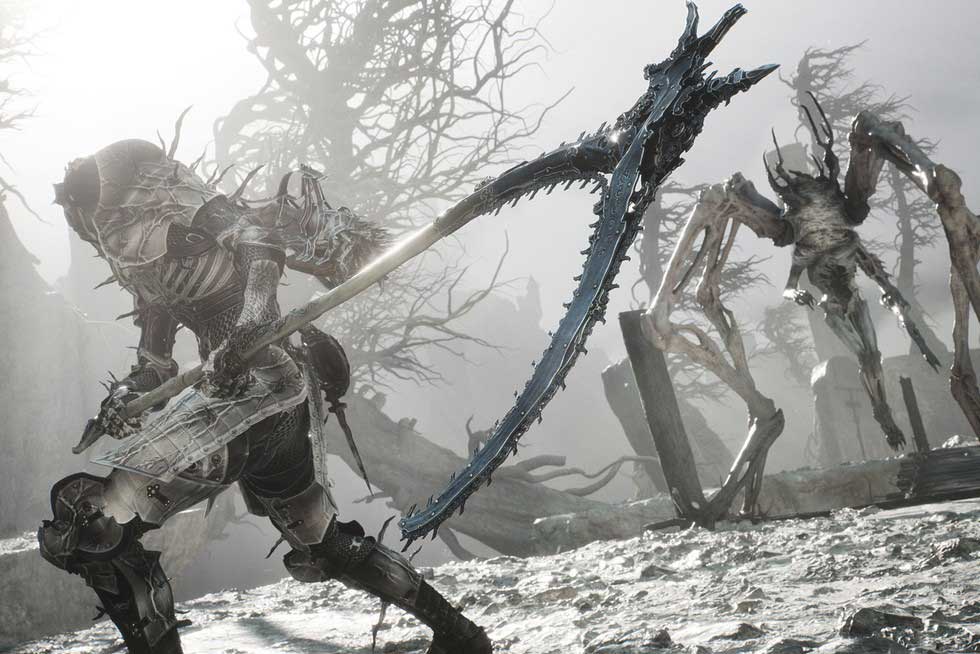
Combat is generally excellent and feels fluid, particularly at 60 FPS. Animations are clean, weapons feel heavy and satisfying, and the system where you first lose your Shell before your actual health is still one of the game's best ideas. Once you are left outside your Shell, you become extremely vulnerable, forcing you to play much more carefully.
The Shells themselves are the real stars of the system. Each one brings a different playstyle, abilities, and even small pieces of story that are revealed through memories. It is somewhat reminiscent of Godfall in terms of collecting and switching between different sets, but there is much more character and weight to the system here.
Upgrading Shells, weapons, and the Harbinger separately creates a satisfying sense of progression, although the pace can occasionally feel a little slow. There are also ranged options available, while the enemy variety ranges from slow, massive creatures to fast and aggressive enemies that force you to constantly adapt.
The focus remains primarily on one-on-one encounters, although there are certainly moments when you find yourself surrounded.
Not Everything Is Perfect
Mortal Shell II is not without its problems. Animations can occasionally interrupt or behave strangely during attacks, while fighting multiple enemies at once is not always as elegant as it should be. The audio side of the experience is also relatively weak. The music is mostly atmospheric, and voice acting is kept to a minimum.
These elements help build the atmosphere, but they also leave you with the feeling that the game could have done more.
Like any proper Souls-like, the game also throws you into its world without explaining too much. The tutorial lasts for around an hour, but after that, you are largely left on your own. For veterans of the genre, that will not be a problem, but newcomers may find the experience fairly brutal.
Technical Impressions
On PC, especially with more powerful hardware, the game looks absolutely fantastic. Unreal Engine 5 is used intelligently here, with impressive environmental detail, excellent lighting, and surprisingly strong optimization.
If the console versions can maintain a stable 60 FPS, it will be difficult to find many Souls-like games in the genre that deliver a better visual experience.
Final Verdict
Mortal Shell II does not try to completely reinvent the Souls-like genre, but it manages to add enough of its own identity to stand out. Its open world, variety of Shells, strong visual direction, and dark, tragic atmosphere make it one of the more interesting games in the genre in recent years.
If you enjoy challenging action RPGs and do not mind dying—often—this is definitely a game worth trying. It may not be perfect, but it is different enough and good enough to leave a lasting impression.
Score: 8.5/10
One of the better ways to experience the Souls-like formula in 2026.
The game was played on PS5.