

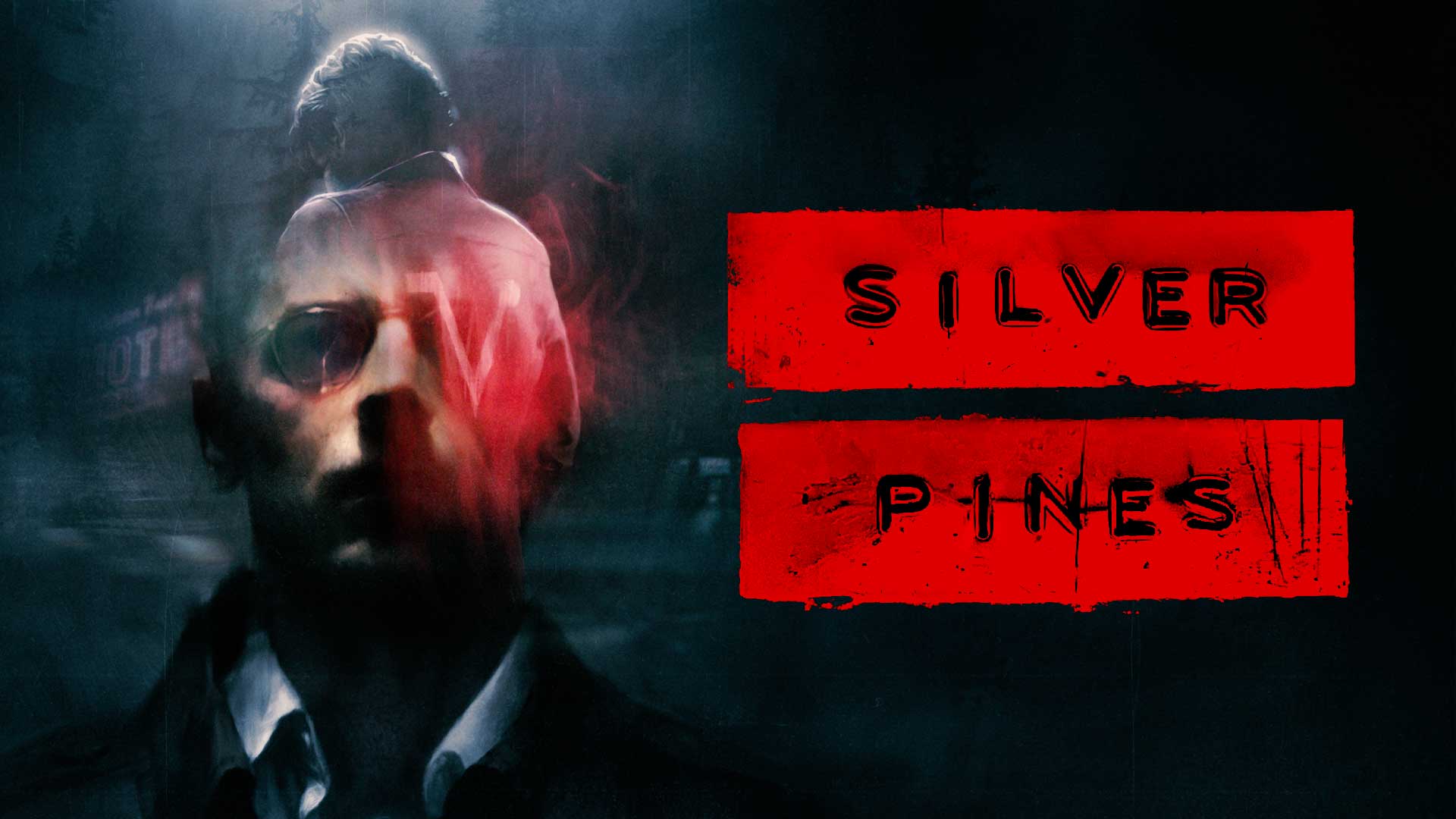
Silver Pines: is an atmospheric horror adventure that combines a surreal mystery reminiscent of Twin Peaks with disturbing creatures and elements inspired by Silent Hill and Resident Evil. Exploration, cleverly designed puzzles, and a practical photography system for documenting clues are among its biggest strengths, while the lack of clear guidance can occasionally make progression frustrating. Despite a few shortcomings, it's a compelling choice for psychological horror fans who enjoy uncovering the secrets of a world where nothing is quite what it seems. – Igor Marković
Fog-covered streets, strange residents who seem to be hiding far more than they are willing to admit, and a mystery that grows increasingly complicated the closer you get to the truth – from the very beginning, Silver Pines feels like a game that has no intention of giving you easy answers. Playing as Red Walker, a private investigator who arrives in a remote Oregon town to find a missing musician named Eddie Velvet, you soon discover that this is no ordinary missing-person case. Instead, you find yourself in a world where the boundaries between reality, dreams, and nightmares have almost completely disappeared.
For its debut project, developer Wych Elm has taken an ambitious approach, combining psychological horror, exploration, combat, and a 2.5D Metroidvania structure. The influence of David Lynch's work, particularly Twin Peaks, is apparent throughout, while the atmosphere, enemies, and resource-management mechanics also evoke games such as Silent Hill and Resident Evil. However, Silver Pines isn't simply a collection of familiar ideas and references. It manages to build its own identity from these influences, creating an experience that is simultaneously eerie, mysterious, and exceptionally compelling to explore.
A Town Where Nothing Is Quite What It Seems
The story begins in an unusual way, with Red Walker waking up inside a dark, abandoned diner without any clear explanation of how he got there. His objective remains straightforward – find Eddie Velvet – but the environment quickly makes it clear that this won't be an ordinary investigation. Silver Pines feels like a place cut off from the rest of the world, where people behave strangely, events don't always have clear explanations, and something much darker lurks beneath seemingly ordinary situations.
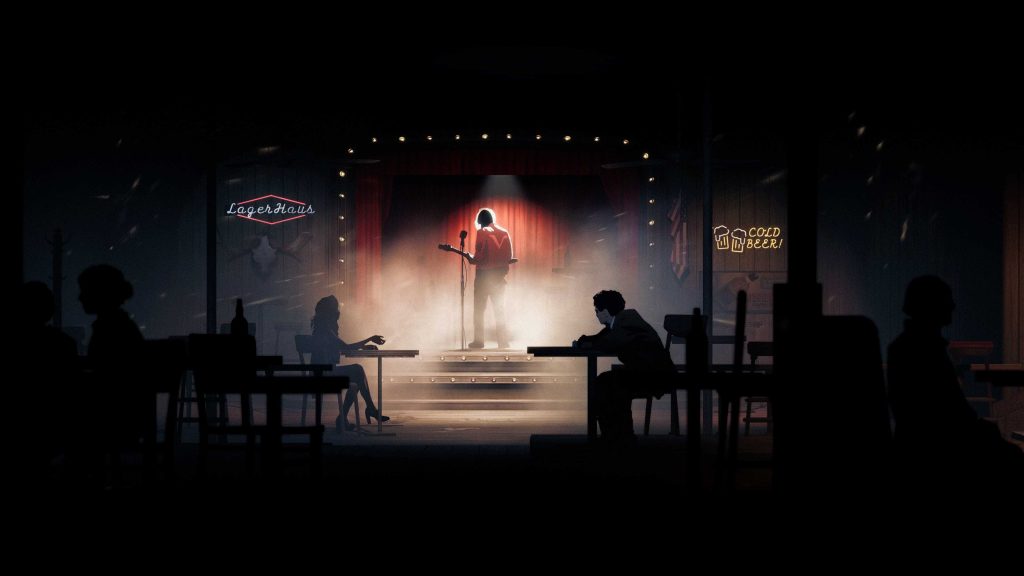
That sense of unease is one of the game's greatest strengths. The influence of Twin Peaks isn't limited to the foggy forests and small-town setting of the American Pacific Northwest; it also shapes the way characters are written and their conversations unfold. The residents of Silver Pines often seem to know much more than they are willing to reveal, and their dialogue can be strange enough to leave you wondering whether you've just uncovered an important clue or stumbled upon yet another puzzle without an obvious answer.
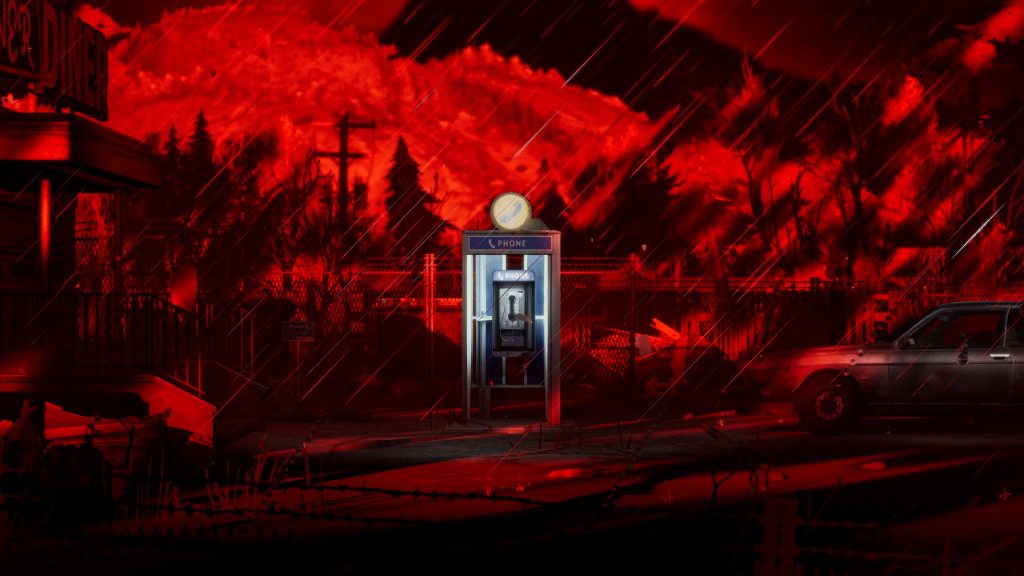
At the same time, the game doesn't stop at Lynchian surrealism, drawing on the horror traditions established by titles such as Silent Hill. Fog-covered streets and isolated locations conceal grotesque humanoid creatures, some of which resemble familiar enemies from Silent Hill 2, but are integrated into Silver Pines in a way that prevents them from feeling like simple copies. Resident Evil has also left its mark, particularly through safe rooms, herb-based healing items, and telephone booths that serve as save points.
These references work because they aren't included merely to attract fans of classic horror games. They fit naturally into the world and its mechanics, contributing to the atmosphere and helping Silver Pines tell its own horror story rather than relying entirely on nostalgia.
Exploration That Rewards Curiosity
Although Silver Pines initially appears to be a relatively small town, the amount of space available to explore is surprisingly extensive. Almost every building, room, and street has a purpose, whether it contains an important item, a clue that reveals something new about the story, or a passage that will allow you to progress later. Even secluded alleys and seemingly insignificant corners can hide something worth discovering, which means exploration rarely feels like busywork between more important events.
One aspect I particularly appreciate is how naturally the game connects its different areas. Progression flows from one location to another without making you feel as though you're constantly moving between disconnected environments. As you uncover new parts of the town, connections gradually emerge between previously discovered clues, characters, and events, making exploration both a way to learn about the world and the main driving force behind the story.
Some puzzles require a fair amount of backtracking, but this rarely becomes a major problem because the environment itself is interesting enough to make revisiting familiar locations worthwhile. However, you need to pay attention, as the game also hides less obvious routes. Walker can climb over certain obstacles, walls, and structures, but the game doesn't always draw attention to these opportunities, leaving you to spot alternative paths on your own.
This approach will particularly appeal to players who enjoy carefully observing their surroundings and figuring out how the world works instead of being constantly directed from one objective to the next. Silver Pines rewards curiosity and patience, and the satisfaction of discovering a hidden area or connecting two seemingly unrelated clues is one of its most successful elements.
The Camera Is a Simple Tool That Makes a Big Difference
One of the more interesting exploration mechanics is Walker's camera. At first, it seems like a secondary feature, but it turns out to be an incredibly useful tool. When you encounter a clue, an interesting object, or an obstacle you can't overcome yet, you can photograph what's in front of you. The image is then saved to your map alongside additional notes.
This could be a detail related to a puzzle you need to revisit later, a blocked passage that requires a particular tool, or an object you've spotted but can't currently reach. Instead of trying to remember every detail or relying on external notes, you can simply record what caught your attention and return to it when you have the necessary information or equipment.
The best thing about this mechanic is how naturally it fits Walker's role as a detective. The camera isn't just another item you're told to use because the game says it's important; it's a tool that allows you to organize your investigation and connect different pieces of the puzzle yourself. It's a shame that its usefulness isn't immediately obvious, as you can easily spend a considerable portion of the game before realizing just how often you could be using it.
Once you start photographing interesting details and locations you'll need to revisit, however, exploration becomes much easier to manage, and you're less likely to forget an important clue while working through one of the more complicated puzzles.
Combat Is Challenging but Gets Better Over Time
Considering how heavily Silver Pines relies on atmosphere, exploration, and mystery, combat might not be the first thing you'd expect to play such an important role. However, confronting supernatural creatures is a significant part of Walker's journey, meaning that alongside finding Eddie Velvet and uncovering the town's secrets, you'll also need to learn how to survive encounters with its most dangerous inhabitants.
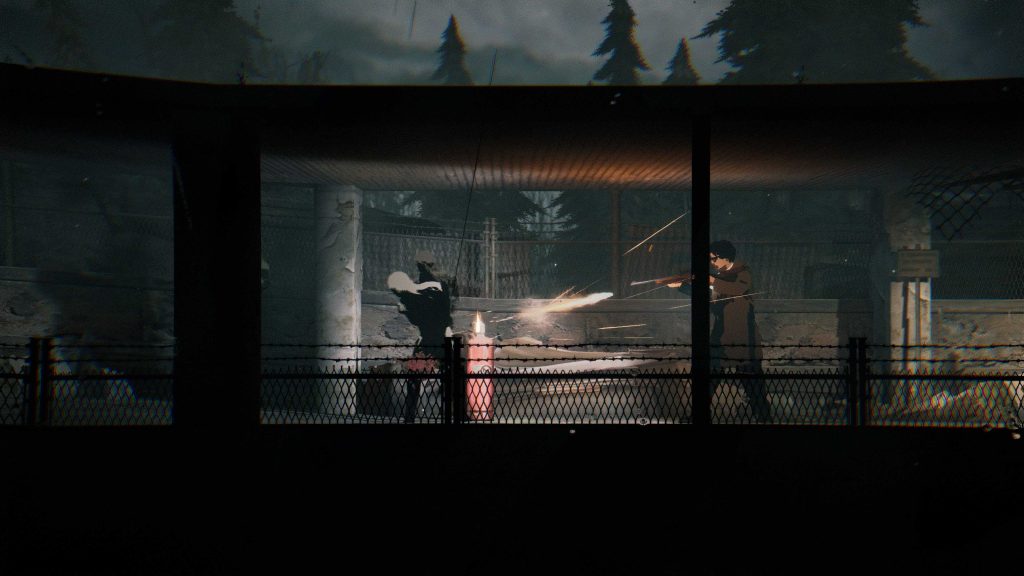
The beginning isn't particularly easy, as Walker initially relies on modest weapons, starting with a box cutter discovered after a particularly gruesome scene. Combat in a 2.5D perspective takes some getting used to, especially when you're trying to judge the distance between yourself and an enemy or line up your attacks correctly, so it takes a little time to adjust to the rhythm of encounters.
As you progress, your arsenal becomes considerably more varied. A revolver suits Walker's role as a private investigator, but you'll eventually gain access to rifles and shotguns that give you more options when dealing with the creatures roaming the town. You gradually become more confident in combat, and enemies that initially posed a serious threat become much more manageable once you learn how to use your available weapons effectively.
Still, I have a slight reservation here. A larger arsenal makes combat more enjoyable and gives players more options, but it can also weaken the sense of vulnerability that's so important to psychological horror. In a game that relies so heavily on unease and uncertainty, steadily increasing your firepower can make some creatures feel less frightening than they should. This doesn't mean the combat is poorly implemented, as it becomes satisfying over time and fits well into the overall experience. Rather, a more limited arsenal might have supported the atmosphere Silver Pines is trying to create even more effectively.
The Game Doesn't Hold Your Hand, and That Comes at a Cost
One of the most important decisions made by Wych Elm concerns how the game handles puzzles and progression. Silver Pines doesn't constantly display active objectives on the screen, guide you through every obstacle step by step, or always explain what you're supposed to do next. Instead, you're expected to listen carefully to conversations with the town's residents, examine the items you find, pay attention to environmental details, and connect the information yourself.
This approach works exceptionally well when you become immersed in the role of a detective, because every new clue feels like something you've uncovered yourself rather than another objective you've simply checked off a list. Finding the right item or understanding the connection between two previously encountered puzzles is far more satisfying when the game allows you to reach the conclusion independently.
However, this freedom also has a downside. If you miss an important line of dialogue, forget a detail from a conversation, or overlook an object that was supposed to catch your attention, you can spend a long time trying to figure out what's missing. Sometimes you'll have to retrace your steps through several previously explored areas and check locations you've already visited, slowing your progress and disrupting the pacing.
An option to enable subtle hints or objective markers would therefore be welcome, particularly for players who enjoy exploration but don't want to remain stuck for too long because they overlooked a single detail. Still, I wouldn't want Silver Pines to abandon its approach entirely, because trusting the player and allowing them to follow their own curiosity is one of the reasons its investigation feels so convincing.
Conclusion
Silver Pines is a compelling blend of psychological horror, detective mystery, and 2.5D Metroidvania adventure that uses its influences as a foundation for building its own world. Its Twin Peaks-inspired atmosphere, disturbing creatures, and fog-covered streets evoke the best moments of Silent Hill, while certain mechanics demonstrate how carefully the developers have studied the classics of the genre. However, the game isn't trapped in the past, offering enough original ideas to leave a distinct impression.
Exploration is thoughtfully designed, the camera is a simple yet extremely useful mechanic, and combat becomes more enjoyable as Walker's arsenal expands. On the other hand, the demanding approach to puzzle-solving can frustrate players who miss an important clue, while the growing selection of weapons occasionally weakens the sense of vulnerability that should be central to a horror experience.
Despite these shortcomings, Silver Pines feels like a carefully crafted and atmospheric adventure that understands what makes psychological horror so compelling. If you enjoy games that don't reveal all their answers and instead expect you to connect the clues and find meaning in a world that seemingly makes little sense, this is a title that deserves your attention.
Score: 8/10
The game was played on: PS5.
Ako tražite povoljnije cene za igre, DLC-ove i druge digitalne proizvode, posetite Eneba i pogledajte aktuelnu ponudu.
Pre kupovine obavezno unesite naš promo kod BUFFGAMING i ostvarite dodatnih 5% popusta.
Kupi igre, poklon-kartice i dopune povoljnije