
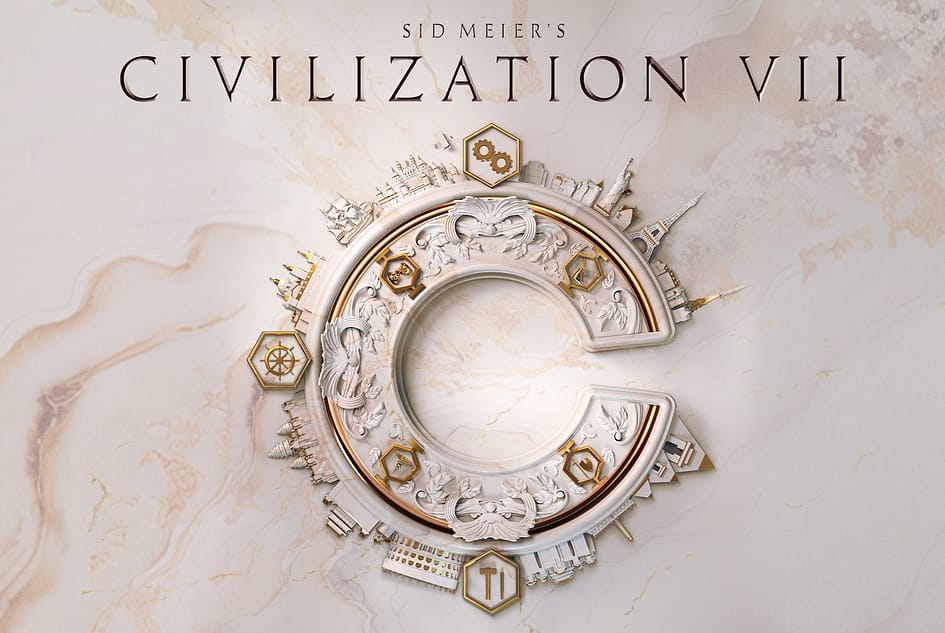
Civilization VII: Civilization VII introduces some excellent ideas and remains highly addictive, but a terrible UI, balance issues, and a lack of polish make it feel unfinished. The foundation for a great strategy game is there, but most players may be better off waiting for future updates before jumping in. – NemanjaKocica
After years of anticipation, Civilization VII has finally arrived. While it introduces several bold new ideas and meaningful changes to the long-running formula, it also feels like a game that was released before it was truly ready.
To be clear, Civilization VII is still capable of delivering that addictive “one more turn” experience that has defined the series for decades. There were plenty of moments when I found myself thinking about strategies, city planning, and leader combinations long after I had stopped playing. That's usually the sign of a great strategy game.
The problem is that Civilization VII constantly gets in its own way.
Three Ages, One Clear Winner
One of the game's headline features is the division of each campaign into three distinct Ages: Antiquity, Exploration, and Modern.
Antiquity is by far the strongest part of the entire experience. Building your first cities, exploring the world, and establishing the foundations of your civilization captures everything that makes Civilization special. The pacing feels excellent, progression is rewarding, and the classic “one more turn” addiction is at its strongest here. If anything, I found myself wishing this Age lasted longer.
The Exploration Age is more of a mixed bag. While I appreciate Firaxis taking risks and trying to make each era feel unique, the execution isn't quite as successful. The focus on exploration, colonization, and discovering distant lands adds variety, but it never reaches the same level of excitement as Antiquity.
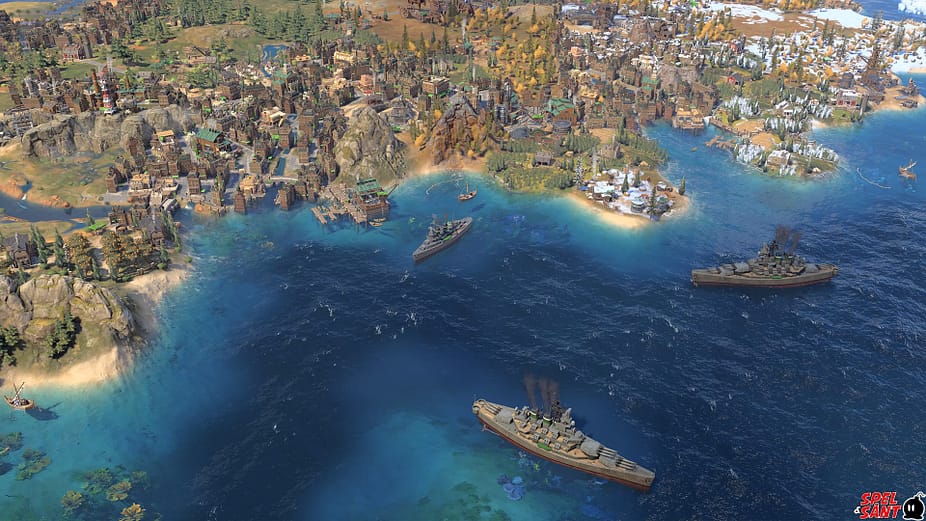
Unfortunately, the Modern Age is where things start to fall apart. Poor balance caused by excessive bonus stacking creates a number of gameplay issues, and the overall pacing feels rushed compared to the earlier eras. The game successfully captures the atmosphere of industrialization and ideological conflict, but mechanically it lacks the depth needed to keep the final stage of a campaign engaging. By the time I reached the end of several matches, I often found myself wanting the game to wrap up rather than feeling excited about what came next.
Warfare Finally Feels Worthwhile
One area where Civilization VII unquestionably improves upon its predecessors is warfare.
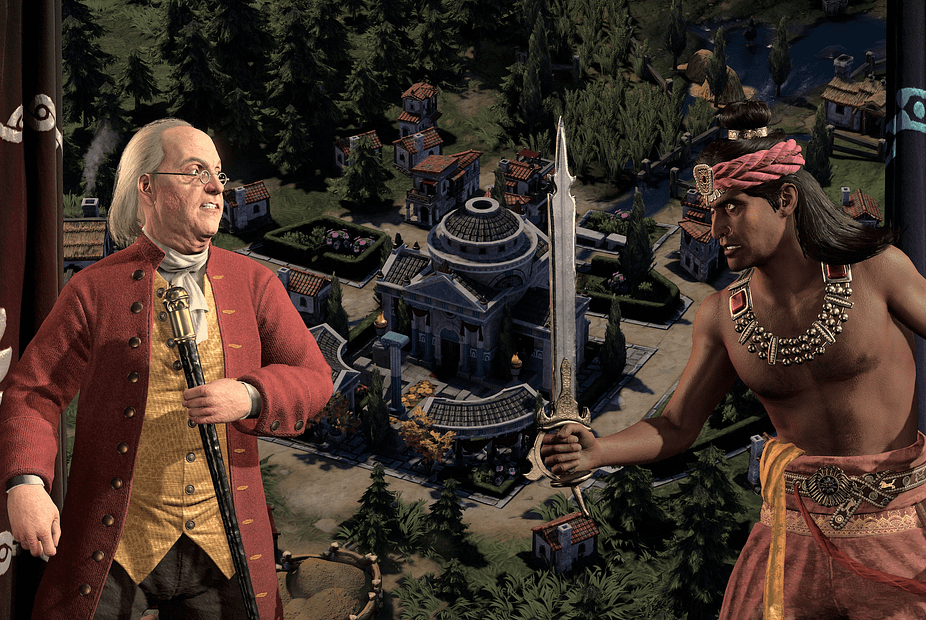
Military campaigns are far more enjoyable than they were in previous entries, largely thanks to the introduction of Commanders. Their ability to consolidate multiple units into a single army significantly reduces micromanagement while making military strategy more accessible and rewarding.
For the first time in years, I found myself actively pursuing wars instead of avoiding them whenever possible.
The sheer amount of content available at launch is also impressive. Compared to previous Civilization releases, there is a substantial amount of civilizations, leaders, mechanics, and systems to experiment with. This variety goes a long way toward maintaining replayability, even when some of the game's larger design decisions don't fully land.
The Civilization-Switching Experiment
The most controversial change in Civilization VII is undoubtedly the separation of leaders from civilizations and the ability to switch civilizations between Ages.
Like many longtime fans, I strongly disliked the idea when it was first announced. After spending dozens of hours with the game, I hate it.
There are moments when being forced to leave behind Rome or Egypt feels fundamentally wrong. Civilization has always been about guiding a nation throughout history, and abandoning that identity midway through a campaign can feel jarring.
That said, the system does create more varied and dynamic matches. Every civilization offers different strengths, weaknesses, and strategic opportunities, and switching between them can dramatically alter your approach from one Age to the next. The freedom to combine leaders and civilizations also opens the door to a huge number of unique strategies.
It's a fascinating idea, but one that still feels like it's searching for its identity. Sometimes it makes campaigns more interesting. Other times it simply makes me wish I could start over and play the same civilization from beginning to end.
Whether this ultimately proves to be a brilliant innovation or a misguided experiment remains to be seen.
A Great Game Trapped Inside an Early Access Release
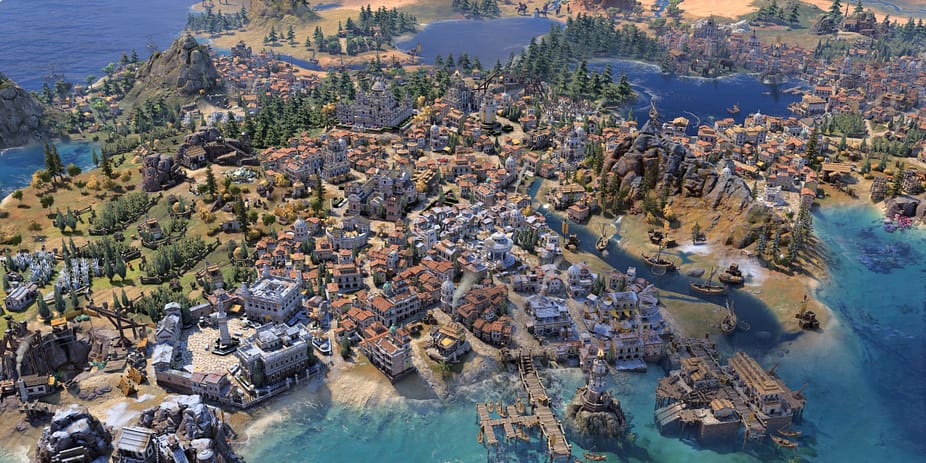
To be completely honest, Civilization VII is fun. The core mechanics are engaging, many of the new concepts are genuinely interesting, and there is still an addictive strategy game buried underneath its problems.
The issue is that Civilization VII feels like a game that was pushed out the door months, maybe even a year before it was ready.
Everywhere you look, there are signs of a product lacking polish. User interface issues, questionable design decisions, balancing problems, and various bugs constantly interrupt what should be an immersive experience. None of these problems are individually game-breaking, but together they create a steady stream of frustrations that never fully disappear.
It honestly feels like Civilization VII needed another 8 to 12 months of development. What's here resembles a game that is 85% complete rather than a finished premium strategy title. The foundation is strong, but the final layer of refinement simply isn't there.
If you're patient, waiting for patches may be the smartest decision you can make.
The Biggest Problem: A Terrible User Interface
If I had to identify the single biggest flaw in Civilization VII, it would be the user interface.
Quite frankly, it's one of the worst UI implementations I've seen in a modern strategy game.
Important information is often hidden, poorly communicated, or buried beneath multiple layers of menus. Navigation feels unintuitive, and basic actions require far more effort than they should. Instead of improving upon previous entries, Civilization VII somehow manages to feel less user-friendly than games released nearly two decades ago.
In fact, I would argue that Civilization IV, a game released in 2005, provides information more effectively than Civilization VII.
One example perfectly illustrates the problem. Open the technology research screen and you'll discover that the button used to display the full technology tree isn't immediately visible. Instead, you need to scroll through the interface before the option even appears. It's the kind of baffling design choice that leaves you wondering whether anyone actually played the finished product before release.
The UI became such a constant source of frustration that there were moments when I seriously considered uninstalling Civilization VII and returning to Civilization VI.
When your best hope is that modders will eventually fix the interface, something has gone very wrong.
More Complex Doesn't Always Mean Better
Civilization VII introduces a huge number of mechanical changes, but not all of them improve the experience.
If you're a longtime Civilization V fan, there's a good chance you'll dislike many of the game's design decisions. Likewise, players who weren't fond of Civilization VI will probably find even more reasons to stay away, as Firaxis continues to expand upon systems that were already divisive.
Perhaps the best example is the reworked city-building system.
Districts no longer function in the same way they did before. Instead, individual buildings are placed directly onto the map, creating a much more complicated planning process. While this undoubtedly adds strategic depth, it also makes city management less intuitive and significantly more difficult to understand.
The result is a system that feels more complex without necessarily becoming more enjoyable.
Innovation is important, especially in a franchise as old as Civilization, but some of these changes feel like complexity for the sake of complexity. New players may find themselves overwhelmed, while veterans will likely spend several campaigns fighting against the interface rather than mastering the systems themselves.
A Visual Identity Crisis
One of Civilization VI's greatest strengths was its visual clarity.
Many players criticized its colorful art style at launch, arguing that the leaders looked cartoonish. What those critics often overlooked was how effectively the game communicated information through color and visual design. At a glance, you could immediately identify scientific districts, cultural districts, commercial centers, and military infrastructure.
Civilization VII abandons much of that clarity.
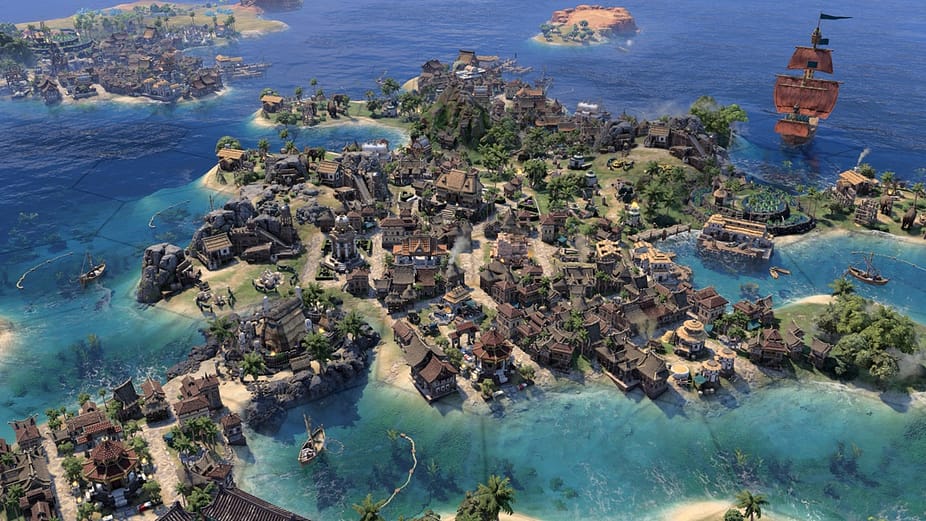
While the game is technically impressive and often beautiful when viewed up close, city management suffers because everything blends together visually. Buildings lack distinct visual identities, making urban centers feel cluttered and difficult to read.
The result is a cityscape that often resembles a giant collection of grey structures stacked on top of one another.
There were moments when I zoomed into a coastal city and admired the incredible environmental detail. There were also moments when I looked at that same city from a gameplay perspective and struggled to understand what I was actually looking at.
Civilization VII is visually impressive, but not always visually functional.
Final Verdict of Civilization 7
Civilization VII has the potential to become a great strategy game.
The new Age system is ambitious, warfare has improved significantly, and the leader-civilization combinations create more variety than ever before. There is a genuinely excellent Civilization game hidden somewhere beneath the surface.
Unfortunately, that's not the version players received at launch.
A terrible user interface, lack of polish, balancing problems, and several questionable design decisions prevent Civilization VII from reaching its potential. While dedicated fans will likely find enough here to justify investing dozens of hours, most players would be better off waiting for future patches, expansions, and community improvements.
Civilization VII may eventually become one of the best entries in the series.
Right now, however, it feels like a promising game released too early.