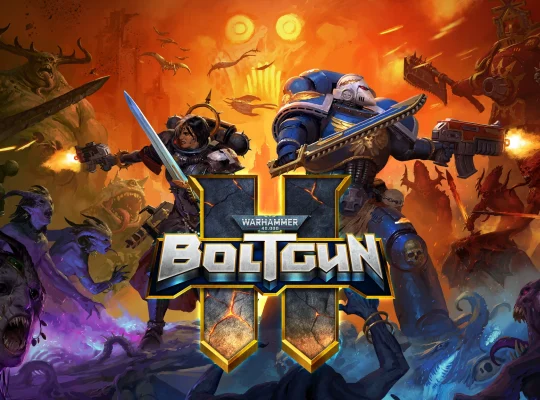
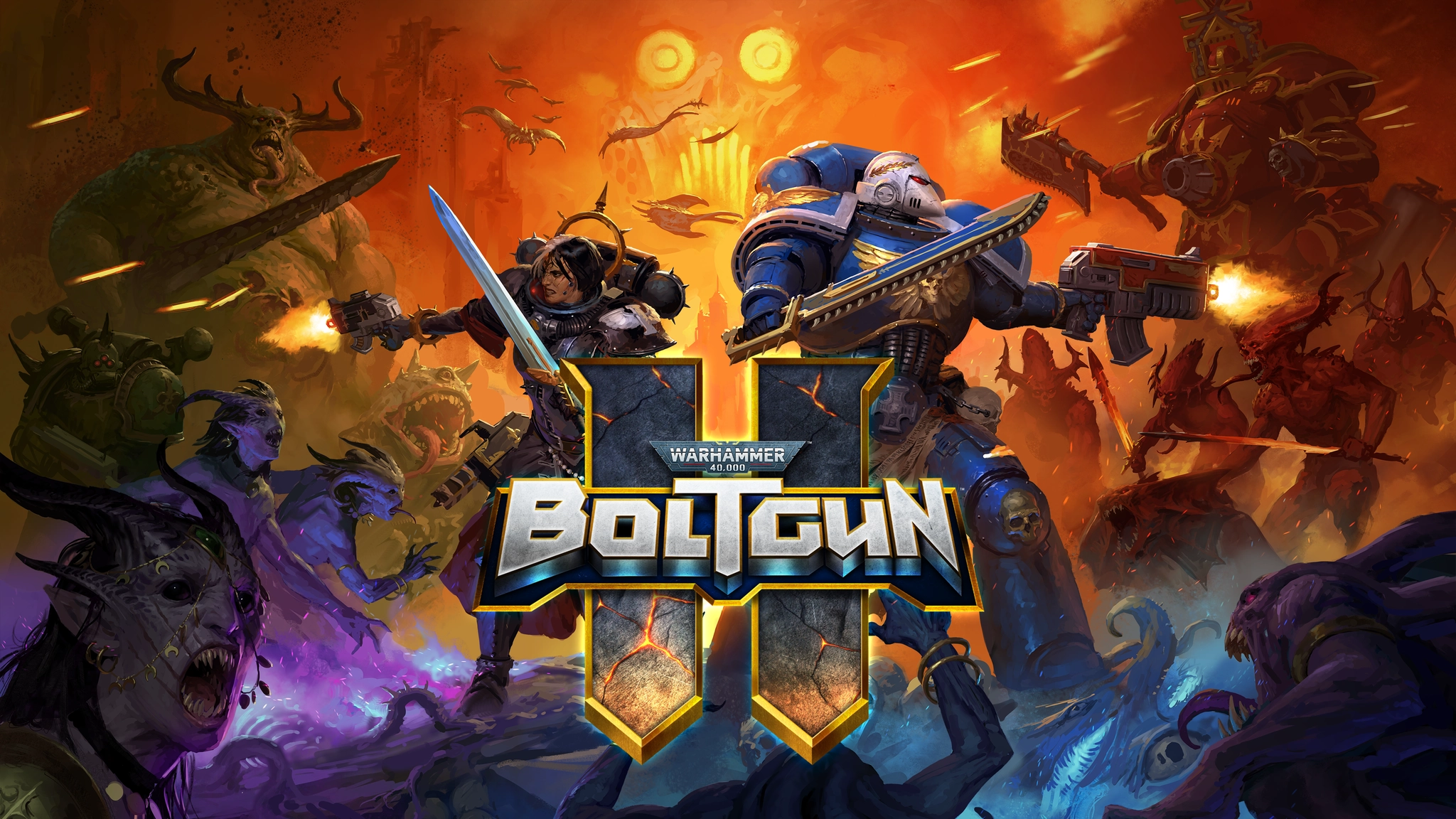
Warhammer 40,000: Boltgun 2: Warhammer 40,000: Boltgun 2 delivers brutal retro FPS action, satisfying gunplay, striking pixel-art visuals, and a soundtrack that keeps the carnage going. While uneven difficulty, a thin story, and a lack of ambition hold it back, this is still a bloody good time for fans of old-school shooters and the Warhammer 40,000 universe. – NemanjaKocica
Some games don't need to reinvent the wheel to remind us why we fell in love with video games in the first place. All they need is an arsenal packed with weapons, hordes of enemies, and a soundtrack that makes you want to crank up the volume. Warhammer 40,000: Boltgun 2 delivers exactly that. As a retro-inspired first-person shooter, it takes us back to an era when solving problems usually meant finding a bigger gun and making sure you had enough ammo to get the job done.
The sequel to 2023's Boltgun brings more weapons, new enemies, and a second playable character, while retaining the distinctive pixel-art aesthetic that made the original stand out. The action and music are fantastic, but this latest crusade in the Emperor's name isn't without its shortcomings. A thin story, occasional difficulty spikes, and a lack of ambition keep Boltgun 2 from becoming something more than a very good, if not particularly revolutionary, shooter.
Pixel Art That Brings Back Memories
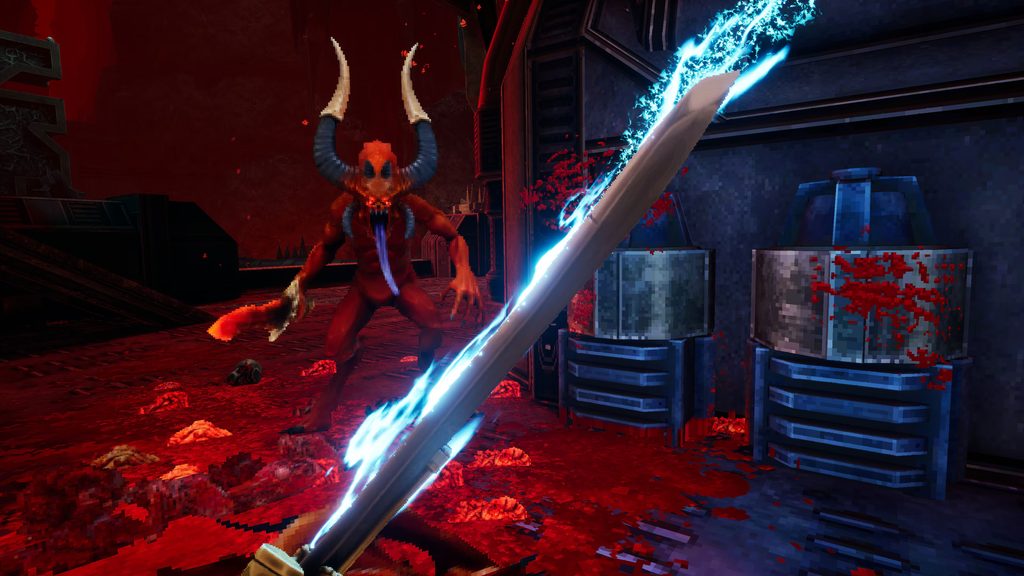
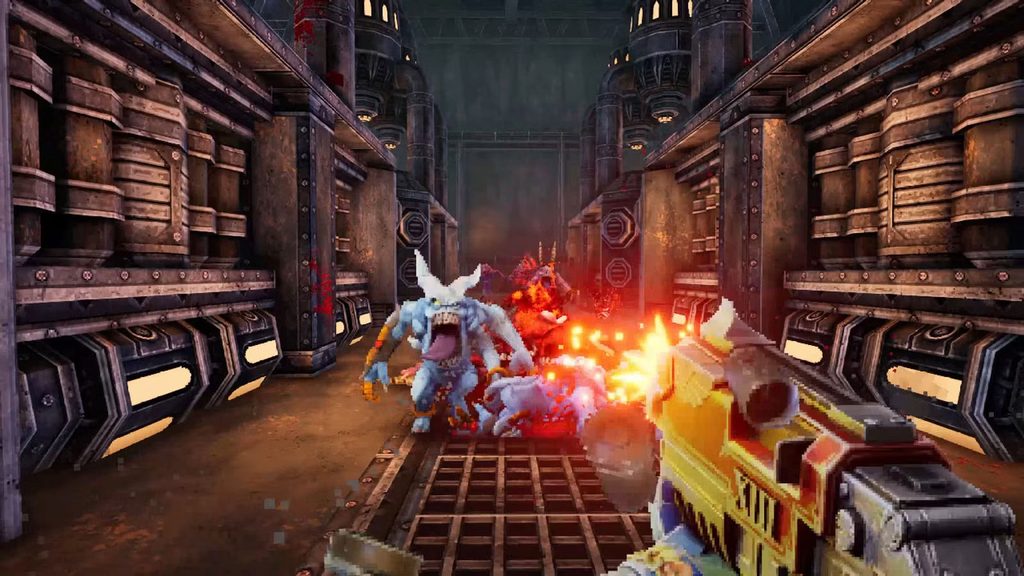
As someone who grew up playing older games, it's hard not to appreciate Boltgun 2's visual style. Its combination of pixel-art characters and enemies with three-dimensional environments evokes the look of classic FPS games, all wrapped in the unmistakable grimdark aesthetic of the Warhammer 40,000 universe. Everything looks rough, filthy, and brutal, just as you'd expect from a war in which humanity is constantly fighting for survival.
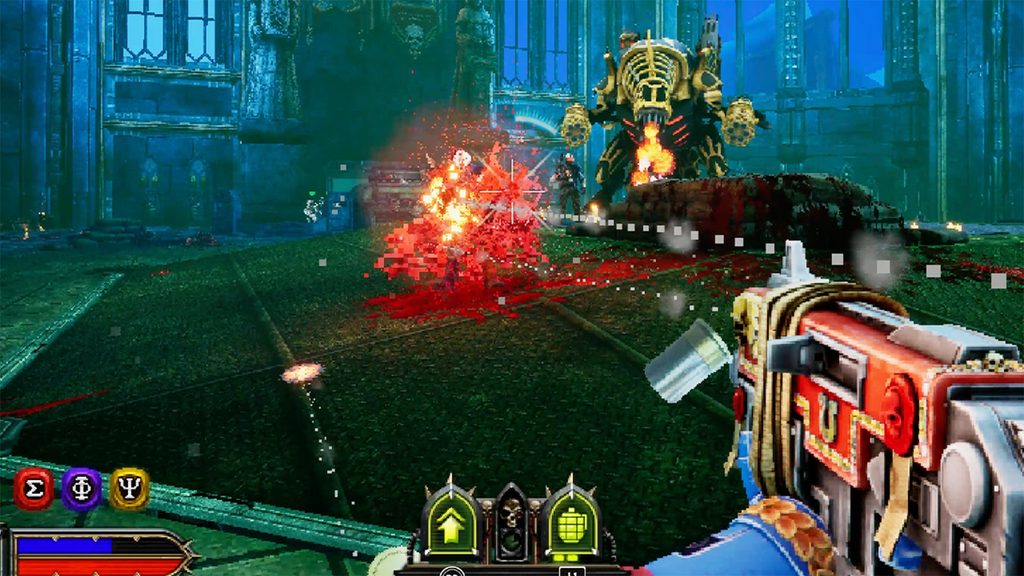
The pixel art is more than just a nostalgic gimmick, though. Gunfire, explosions, and chunks of dismembered enemies flying across the screen give every encounter an extra dose of energy. Even when the battlefield is packed with enemies and projectiles, the game manages to maintain a distinctive visual identity.
Pixel art alone isn't enough to carry an entire game, but here it works beautifully alongside the soundtrack and relentlessly fast-paced combat. Anyone who grew up playing Doom, Quake, and other classics will probably feel right at home. Boltgun 2 makes no attempt to hide its influences. Instead, it embraces them and adapts their best qualities to a universe that feels tailor-made for this kind of shooter.
Guns, Glory, and Endless Carnage
Warhammer 40,000: Boltgun 2 is a retro FPS, more commonly known as a boomer shooter, built around movement, gunplay, and fighting your way through overwhelming numbers of enemies. This isn't a game that encourages you to spend ages hiding behind cover and waiting for an opponent to peek around a corner. More often than not, the best approach is to keep moving, pick the right weapon for the job, and shoot anything that stands between you and your objective.
The gunplay is fast, direct, and immensely satisfying. Weapons feel powerful thanks to their sound design and visual effects, while every successful volley or explosion reinforces the feeling that you're a Space Marine sent to carry out the Emperor's will. Simplicity is one of the game's greatest strengths. It doesn't try to turn every encounter into a complicated tactical puzzle, but it offers enough enemy variety and combat options to ensure that you can't solve every problem in exactly the same way.
The arsenal is varied, covering everything fans of the genre could ask for, from bolters and shotguns to heavier weaponry, flamers, and melta guns. Explosives and melee weapons also have their place, meaning you don't have to rely exclusively on ammunition to survive. Sometimes, keeping your distance and filling the battlefield with projectiles is the best option. At other times, getting up close with a chainsword or another devastating melee weapon is simply more satisfying.
One of the sequel's biggest additions is the introduction of a second playable character, each with a distinct approach to combat. Malum Caedo returns as the familiar Space Marine, a formidable fighter who can rely on heavy weapons and aggressive close-range attacks. His playstyle encourages direct confrontation, letting you charge into enemy groups while projectiles and explosions erupt all around you.
Sister of Battle Nyra Veyrath offers a different approach. She is more agile, relies on quick evasive movements, and comes equipped with her own arsenal, including a sword, a flamer, and melta weaponry. Switching between the two characters isn't merely a cosmetic change. Their different abilities and combat styles affect how you approach encounters, move through the battlefield, and decide when to get up close and personal.
Having two distinct playstyles adds considerable replay value, especially if you decide to revisit the campaign. That said, don't expect every new weapon to fundamentally change how the game plays. Boltgun 2 sticks to a proven formula, building on it with a wider selection of weapons and more opportunities to experiment with different approaches to combat.
Levels, Enemies, and Boss Fights
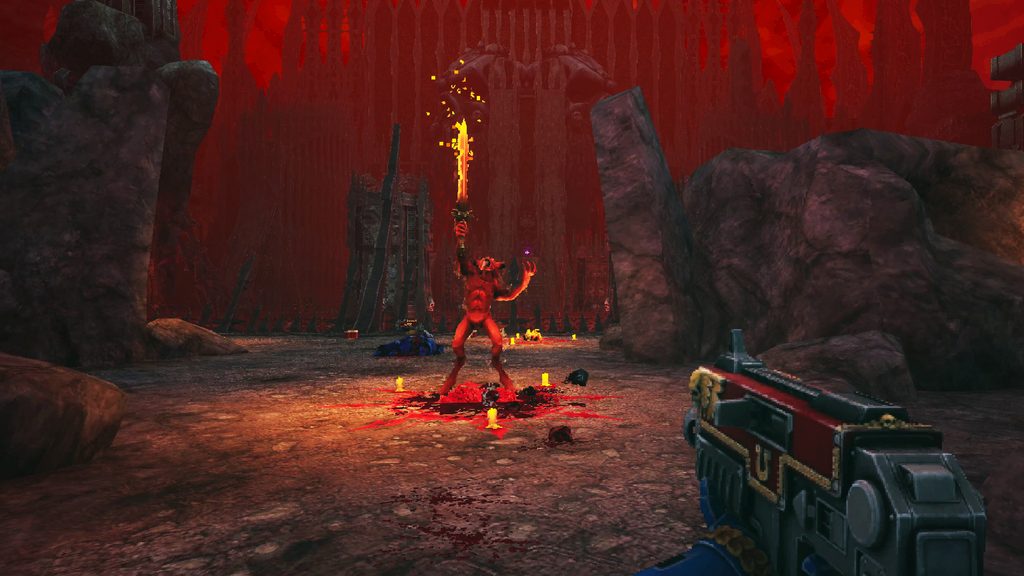
Level design is another area where the sequel offers more variety than you might expect from this type of shooter. The campaign takes you through different parts of the Warhammer 40,000 universe, from Imperial facilities and spacecraft to swamps corrupted by Chaos and demonic fortresses. The changing environments help maintain the atmosphere and prevent the campaign from feeling like one very long corridor filled with enemies.
The familiar formula is still there: explore, find keys, unlock doors, and clear rooms of hostiles. That's to be expected from the genre, but the levels aren't simply a collection of disconnected combat arenas. Alternative routes, secret rooms, hidden items, and shortcuts reward exploration and make revisiting familiar areas more interesting. Branching campaign paths also give you a reason to replay certain sections.
Enemy variety plays an equally important role. From cultists and Chaos Space Marines to demons and much larger monstrosities, there are enough different threats to keep combat from becoming entirely repetitive. Certain enemies demand a different approach, forcing you to decide when to bring out the heavy weaponry, when to rely on mobility, and when to create some distance before resuming your assault.
Boss fights are generally among the campaign's most memorable moments. Their attack patterns demand constant movement and good timing, while their imposing designs fit the game's over-the-top brutality. These encounters showcase the combat system at its best, combining spectacle with the need to understand enemy patterns and make effective use of your weapons.
Still, solid level design and enemy variety can't completely disguise how familiar the core gameplay loop feels. Run, shoot, find the next passage, and repeat. That's the essence of the genre, but after several hours, it becomes clear that the sequel isn't trying to push the formula much further than its predecessor did.
The Emperor Matters More Than the Story
If you're expecting a complex narrative, meaningful character development, and emotionally charged moments from Boltgun 2, you probably won't find what you're looking for. The story primarily serves as a backdrop for the fight against the forces of Chaos, while the characters and their motivations rarely receive the depth they deserve.
That isn't necessarily a problem for a shooter built around relentless action. After all, storytelling has never been the main reason most players return to games like this. However, as a sequel, Boltgun 2 doesn't do enough to give its characters greater depth or make its narrative particularly memorable once the campaign is over.
Fans of the Warhammer 40,000 universe will still find plenty to appreciate, whether it's the familiar enemies, the atmosphere, or the details that connect the game to the wider setting. Beyond that, though, the story remains relatively thin. The weapons and combat do almost all of the heavy lifting.
A Soundtrack That Fuels the Carnage
Music is one of the main reasons Boltgun 2 maintains such a high level of energy. Heavy riffs, an aggressive sound, and rhythms that match the brutality of combat are a perfect fit for a universe where every encounter can turn into an outright massacre. As explosions and gunfire fill the screen, the soundtrack raises the intensity and makes even an ordinary firefight feel like something worth cranking up the volume for.
Mick Gordon, best known for his work on Doom (2016) and Doom Eternal, contributed a guest track titled Ascent of the Arkifane for the game's final boss encounter. His industrial sound and crushing riffs are a natural fit for the game's brutal combat. The soundtrack was produced by Matthew Walker, who also worked on the original Boltgun.
This is exactly the kind of music the game needs. Boltgun 2 doesn't ask you to stop and admire the soundtrack; it uses it as fuel for the carnage. When the music blends with the sound of weapons firing and enemies exploding, the result captures the raw energy that keeps this genre alive.
The Difficulty Isn't Always Well Balanced
Another significant drawback is the inconsistent difficulty curve. A good boomer shooter should steadily raise the stakes while giving players enough room to understand what's happening and react to the situation. Boltgun 2 doesn't always get that balance right.
Some encounters feel well tuned, while others can abruptly ramp up the pressure. When enemy numbers, aggression, and incoming damage suddenly increase, the challenge doesn't always feel like a natural progression from the fights that came before. Instead of feeling as though the game is gradually pushing you to improve, there are moments when it seems to have decided to make your life considerably harder without much warning.
That doesn't mean difficulty is inherently a problem. On the contrary, overcoming challenging encounters is one of the reasons these games are so satisfying. The issue is that the transition from one level of challenge to another isn't always smooth. When difficulty becomes more frustrating than rewarding, it can discourage experimentation rather than encourage players to refine their tactics.
There are also occasional technical hiccups and inconsistencies in enemy AI that can further undermine the experience. Some players have reported performance issues in certain sections and enemies behaving unexpectedly, although these problems won't necessarily affect everyone in the same way. Still, they're worth mentioning in a game where quick reactions and precise movement are so important.
A Sequel That Plays It Safe
Perhaps the biggest issue with Boltgun 2 is that it doesn't take enough risks. In many ways, it's an improvement over the original: there are two playable characters, a larger arsenal, more varied enemies, and more elaborate level design. These additions make for a more substantial package, but they don't fundamentally change what the series is about.
On the other hand, not every sequel needs to reinvent the identity of the game that came before it. Sometimes, taking a proven formula and improving on it is more than enough. Boltgun 2 follows that approach, and fans of the original will find plenty of reasons to jump back into the fight.
The problem is that most of these improvements stay within familiar boundaries. There's more content, but not every new element feels fully developed or pushed to its potential. Better difficulty balancing, additional technical polish, and a more ambitious approach to certain aspects of the design could have made the final result considerably more impressive.
Warhammer 40,000: Boltgun 2 is a very good retro shooter that understands what makes the genre so much fun. Its pixel-art visuals bring back fond memories, the gunplay is fast and satisfying, the arsenal offers plenty of variety, and the soundtrack elevates the entire experience. Two playable characters, a wider range of enemies, and more varied environments give the campaign enough fresh ideas to keep it from feeling like a simple repeat of the first game.
However, a thin story, occasional difficulty spikes, technical issues, and a somewhat conservative approach to the sequel prevent it from leaving an even stronger impression. These shortcomings don't undermine the quality of the action, but they do show that there was room to aim higher.
For fans of retro FPS games and the Warhammer 40,000 universe, this is an easy recommendation. Boltgun 2 might not reinvent the genre, but it delivers enough brutal action, powerful music, and nostalgic charm to make another trip to the battlefield worthwhile.
Ako tražite povoljnije cene za igre, DLC-ove i druge digitalne proizvode, posetite Eneba i pogledajte aktuelnu ponudu.
Pre kupovine obavezno unesite naš promo kod BUFFGAMING i ostvarite dodatnih 5% popusta.
Kupi igre, poklon-kartice i dopune povoljnije