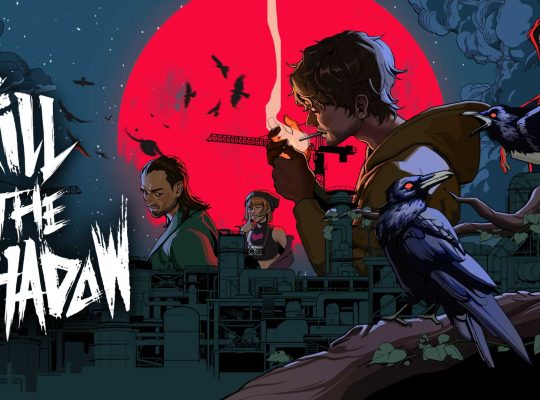

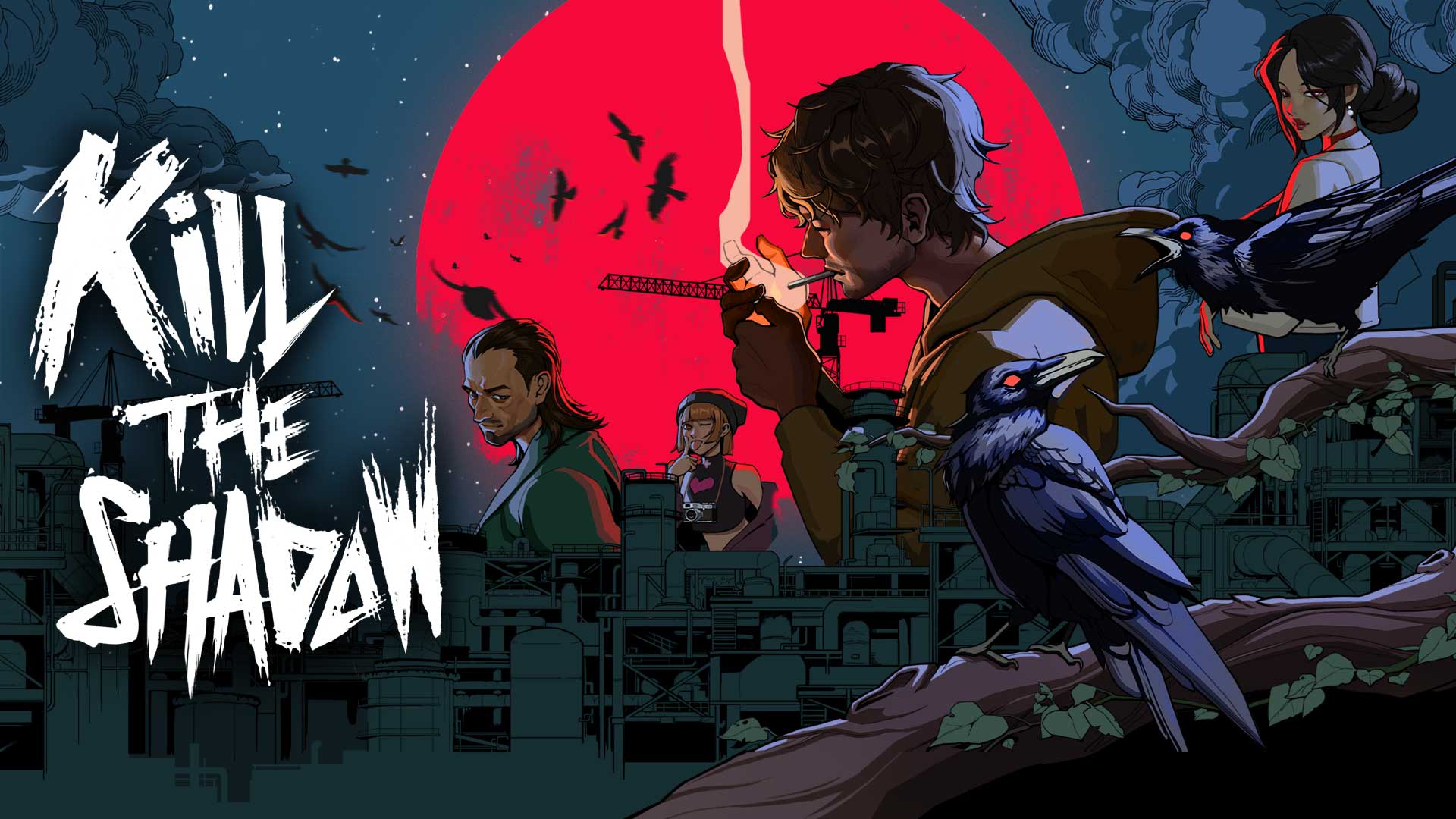
Kill The Shadow: Kill The Shadow is an atmospheric detective adventure that stands out thanks to its original Shadow mechanic, engaging investigations, and choices that can influence the story. While the pacing occasionally slows down and some dialogue and side content fall short, the game has enough character and clever ideas to make it worth checking out for mystery fans. – NikolaOtasevic
Detective games often live or die by how well they manage to make you actually think like an investigator. Kill The Shadow has a very interesting advantage in that regard. Instead of simply searching for clues and questioning witnesses, the game gives you the ability to look into the final moments of the dead and try to figure out what really happened.
You play as Lucas, a former police officer investigating cases in the post-war and deeply divided city of Dark Tide City. His most unusual ally is Shadow, a mysterious entity capable of reading the memories of the dead and reconstructing their final moments. You can't change what happened or influence the past. You can only observe it, analyze it, and try to uncover the truth.
That idea is at the heart of what makes Kill The Shadow stand out.
Dark Tide City Has a Story of Its Own
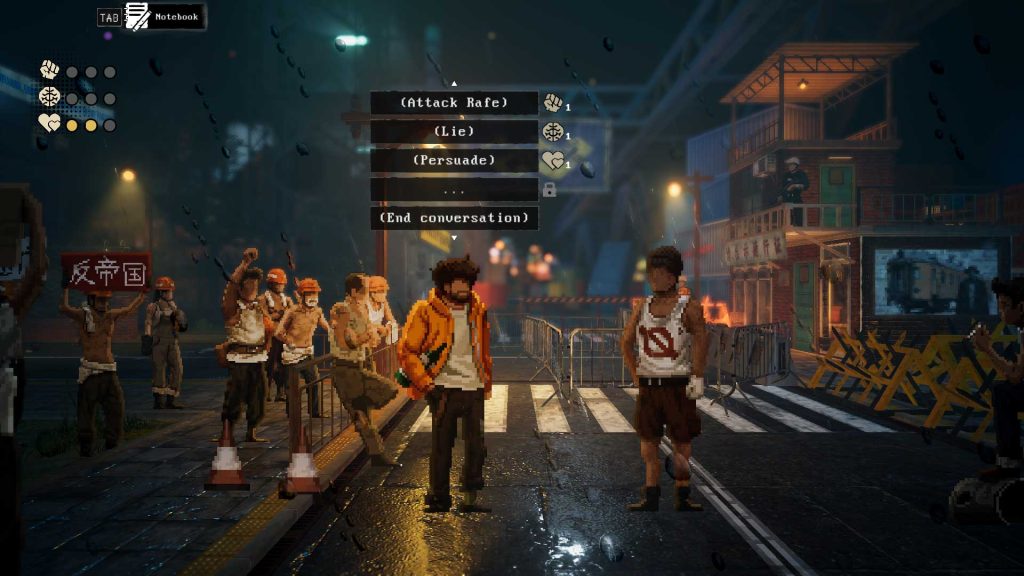
At first glance, Dark Tide City may seem like another dark noir city, but the combination of cyber-noir aesthetics and Chinese urban influences gives it a distinctive identity.
The 3D environments combined with 2D pixel-art characters create an interesting visual contrast. Abandoned factories, docks, impoverished floating districts illuminated by neon lights, and the city's older areas all feel like places that had their own lives long before Lucas arrived.
The rain, neon lights, and gloomy atmosphere fit perfectly with a story about a city divided by conflict and distrust. This isn't a world that tries to impress you with a massive map. Instead, it gradually pulls you into its problems.
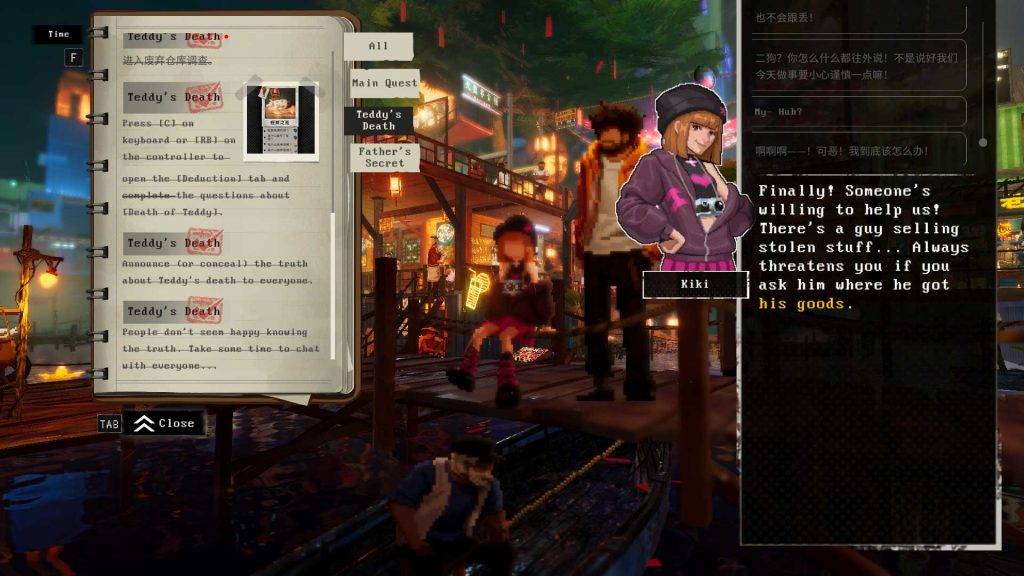
I particularly enjoyed the relationship between Lucas and Shadow. Shadow isn't simply an ability you activate whenever you need to investigate someone's death. She's a genuine character—cynical, talkative, and always ready to comment on the situations you find yourself in. Their dynamic gives the game personality and prevents the investigations from becoming completely cold and mechanical.
When the Dead Become Your Witnesses
The core gameplay revolves around exploration, conversations, and deduction. You move between different locations, talk to people, gather information, and try to connect the pieces.
Lucas doesn't have just one way of getting information. Depending on your approach, you can be more aggressive, using threats and physical pressure, attempt to manipulate people, or rely on persuasion, charm, and money.
This gives conversations more weight than they usually have in this type of adventure. The way you develop Lucas can unlock different options and allow you to approach certain situations in completely different ways. But all of that takes a back seat when Shadow enters the picture.
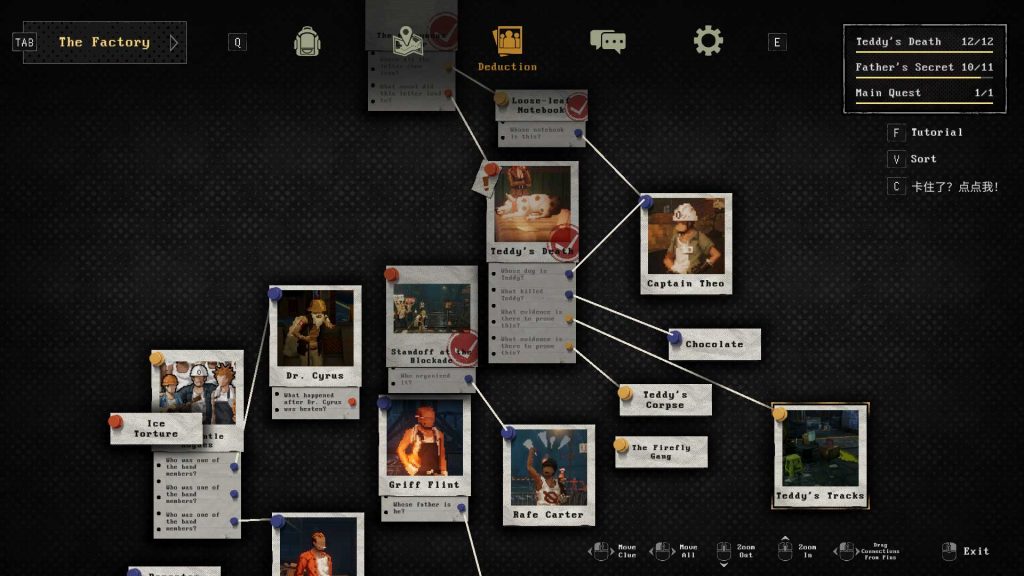
When you activate her ability, you can witness what happened immediately before someone's death. The problem is that the game doesn't simply explain everything to you. You have to watch carefully, remember details, and connect what you saw with the information you've gathered during your investigation.
This is where Kill The Shadow works at its best. Instead of simply clicking on highlighted clues while the game tells you what matters, you have to pay attention and reach your own conclusions. When you finally understand what you witnessed and how it connects to the testimonies of other characters, the satisfaction is much greater than when a game simply points you toward the next clue.
There Isn't Always One “Correct” Answer
Kill The Shadow doesn't rely solely on its mysteries. Your decisions also have consequences.
The information you discover doesn't always have to be shared with the same people, and the way you treat certain characters can affect what happens to them later. Because of this, the game doesn't constantly push you toward one morally correct solution. You can be honest, cold, manipulative, or far more ruthless than a traditional detective would ever be. That approach fits the game's world, because Dark Tide City isn't a place where everything can be neatly divided into good and evil. Sometimes the question isn't simply what the truth is, but what you're willing to do once you discover it.
The Investigation Doesn't Always Maintain the Same Pace
The biggest problem with the game is its pacing.
While some parts of the investigation are very well designed, there are moments when the pace comes to a complete stop. Sometimes you'll have to return to a location you've already visited and search through it again just to find the next clue that triggers the story.
During these moments, the game feels less like you're actually solving a case and more like you're trying to find the correct trigger to move the story forward.
A similar problem exists with some of the side quests and dialogue. While the main parts of the story are generally interesting, not every conversation is equally strong, and some sections feel more generic than they should. The English localization can also feel awkward at times. It doesn't completely ruin the experience, but in a game that relies so heavily on story and dialogue, these issues are noticeable.
The City Is Interesting, But It's Not Huge
Although the game presents itself as a semi-open experience, you shouldn't expect a massive open world.
The locations are different enough to prevent the investigations from feeling completely identical, but after a while you start to notice the boundaries of Dark Tide City.
This wasn't a major problem for me because the game is primarily focused on its story and cases, but a little more freedom and a greater variety of locations would certainly have strengthened the sense of exploration. That's also why I wouldn't recommend Kill The Shadow to players looking for lots of action and unrestricted exploration. This is primarily a game about conversations, investigation, and thinking.
Final Verdict
Kill The Shadow isn't a perfect detective adventure, but it has something arguably more important: a strong idea that it successfully turns into engaging gameplay.
The Shadow mechanic is its biggest strength. Watching the final moments of a victim's life, searching for details, and connecting what you've seen with testimonies from other characters creates a genuine sense that you're solving a mystery. Combined with the interesting dynamic between Lucas and Shadow, its distinctive visual style, and choices that can change the fate of characters, the game has enough personality to stand out among indie detective adventures.
Its pacing issues, occasionally generic side content, and imperfect English localization prevent it from being even better. Still, when an investigation starts coming together and all the clues begin to connect, Kill The Shadow shows exactly why its concept deserves attention.
If you enjoy Disco Elysium, Return of the Obra Dinn, or simply good detective games where you have to connect the information yourself, Kill The Shadow is well worth checking out.
Score: 8/10
Kill The Shadow may not deliver a perfect investigation, but it has enough character, an excellent central mechanic, and an atmosphere that will keep you playing until the very end to discover what really happened.
If you enjoyed this review, be sure to check out our other reviews and discover more games, indie gems, and upcoming titles worth keeping an eye on.