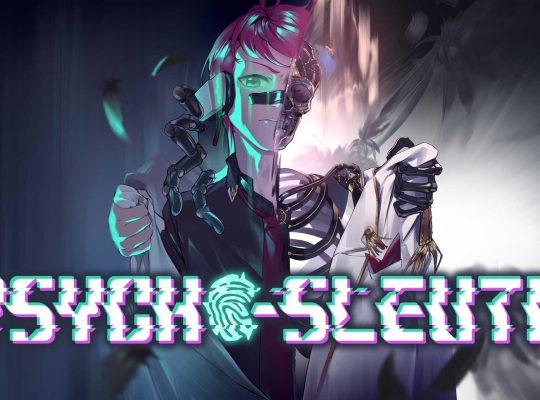

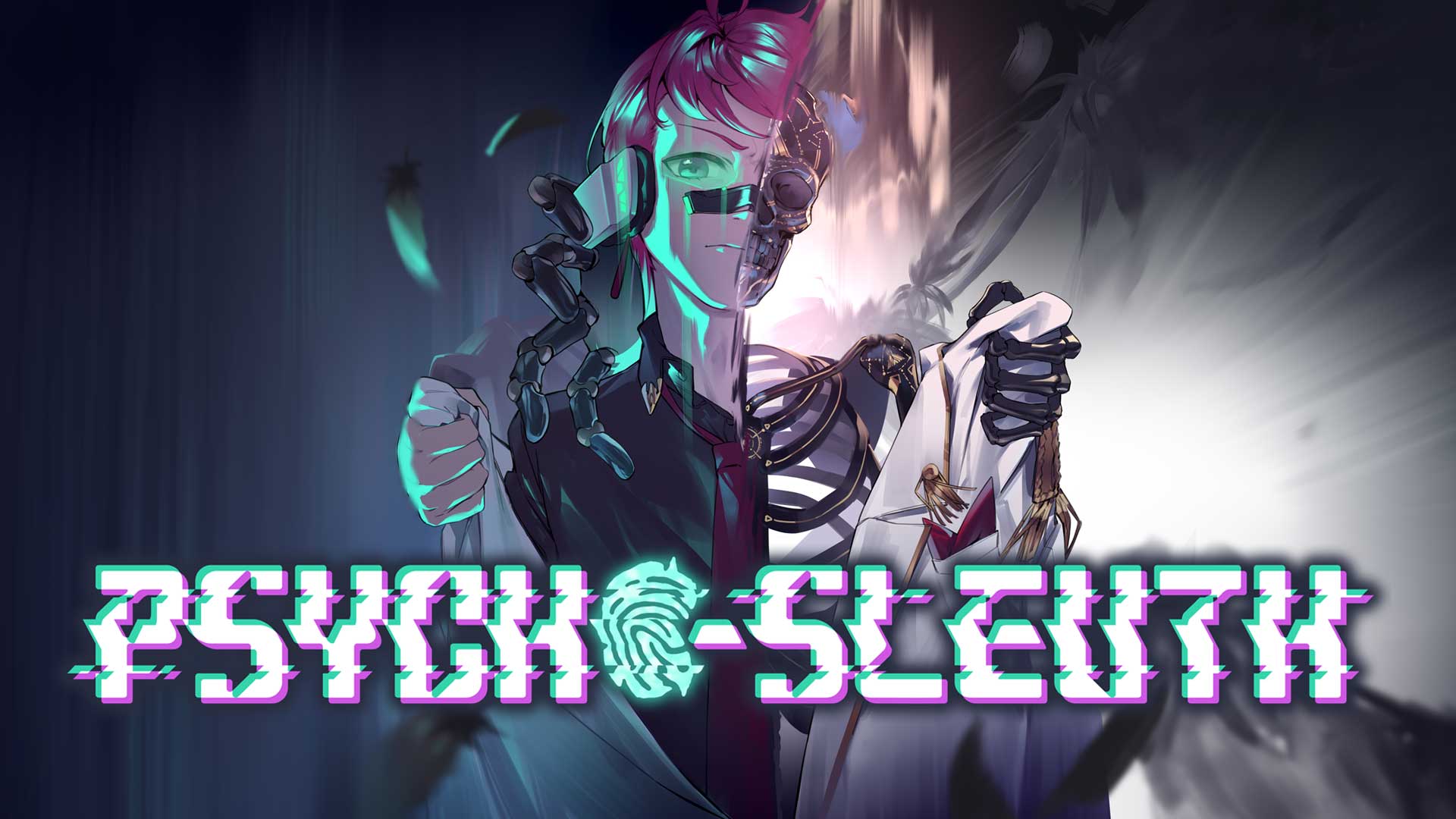
Psycho-Sleuth: is an excellent detective visual novel that combines a deadly killing game, unusual cognitive abilities and complex murder mysteries. Its unique Pathosync system, memorable characters and story full of twists make it an easy recommendation for fans of Danganronpa and murder mystery games. – NikolaOtasevic
Detective games and visual novels often follow a familiar formula: we meet a group of unusual characters, a murder takes place, and we gather evidence to figure out who's responsible. Psycho-Sleuth starts with a recognizable concept but introduces an unusual idea that significantly changes the way we approach the entire investigation. What if witnesses could not only lie, but also alter the way other people perceive reality?
Developed by PHOSEPO, Psycho-Sleuth brings together thirteen characters who are forced to participate in a deadly game hosted by an influential religious organization known as the Logic Church. The rules are simple and brutal: in each round, someone is assigned the role of the murderer, known as the Werewolf, and must commit a murder without getting caught. If they succeed, they will be declared a god and gain the power to reshape the world according to their wishes. If they are exposed, execution awaits them.
However, what sets this game apart isn't just the concept of a deadly competition, but the way psychology and distorted perception become essential parts of the mystery itself.

When Perception Becomes the Most Important Piece of Evidence
The most interesting idea in Psycho-Sleuth is a system known as Pathosync. Characters with this ability have certain cognitive disorders, but their effects aren't limited to the individuals themselves. They can also influence how the people around them perceive the world, turning every investigation into a much more complicated challenge.
For example, a character whose obsessive-compulsive disorder prevents her from lying can force others to tell the truth, while someone with prosopagnosia can prevent people from recognizing faces. Other abilities also affect how characters experience their surroundings and interpret the information available to them.
This is where Psycho-Sleuth demonstrates just how differently it can approach the detective genre. In traditional mysteries, we usually try to determine whether someone is telling the truth or deliberately hiding information. Here, we must also consider whether a person is even capable of correctly interpreting what they see or hear.
I found this concept particularly interesting when I first tried the game at Gamescom. What appealed to me was that cognitive disorders weren't simply part of the characters’ backstories or a way to make the narrative more unusual. They directly affect the gameplay. Once we understand the rules behind each ability, we have to take them into account when solving cases.
It's worth noting, however, that Psycho-Sleuth primarily uses these disorders as special mechanics. Although the story touches on the challenges faced by the characters, players shouldn't expect an especially deep psychological exploration. Their main purpose is to change the rules of each investigation and make every case feel different.
An Investigation That Requires Your Active Participation
Most of the game is presented in a visual novel format, with numerous conversations and lengthy narrative sequences between major events. However, Psycho-Sleuth doesn't want us to be passive observers simply waiting for the story to continue.
When a murder takes place, we must investigate the crime scene, examine the surroundings, find clues and talk to the other characters. These sections use a point-and-click approach, requiring us to carefully inspect available objects and gather information that may prove useful later.
Once the investigation is complete, the trial begins. This is where all the evidence we've collected is put to the test. Sometimes we'll answer questions directly, while in other situations we'll need to identify a statement that contradicts the facts and present the appropriate evidence.
What I particularly like is that remembering what everyone said isn't enough. Because of the Pathosync abilities, certain cases require us to first understand how a particular character perceives the world before using that knowledge to reconstruct what actually happened.
This approach gives solving the mysteries considerably more weight. Details that initially seem unimportant can later become crucial, and every new piece of information can change the way we look at an entire case.
The different roles assigned to characters throughout the game add another interesting layer. Once the culprit has been identified, those who have been given the Hero role must decide whether the accused should be executed or allowed to become a god. These decisions can lead to different outcomes, including several shorter bad endings.
At the end of each chapter, we receive a grade based on the number of incorrect answers. The game isn't particularly unforgiving when it comes to simply progressing through the story, but its grading system is quite strict. Reaching the correct conclusion isn't always enough; how we get there matters too.
Characters That Make You Want to Discover What Happens Next
Although the mysteries and the way we solve them are among the game's main strengths, Psycho-Sleuth doesn't rely on them alone. The cast of characters is equally important. At first, they seem like a rather unusual and eccentric group, but as the story progresses, we learn more about their personalities, motivations and personal struggles. It's clear that there's much more to them than their initial appearances suggest.
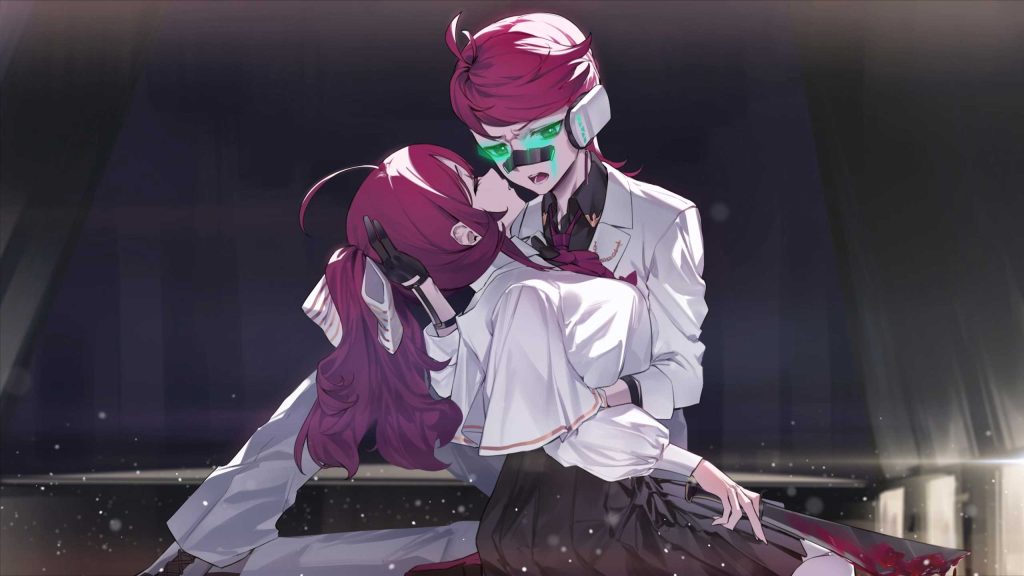
The protagonist, Lyle, is particularly interesting. Instead of giving us a typical hero who always tries to do the right thing, the game introduces someone who knows how to manipulate others and isn't afraid to lie when necessary. His greatest motivation is protecting his sister, and this aspect of his personality gradually reveals a much more complicated backstory than we might initially expect.
The story successfully balances humor with darker and more serious moments. Some conversations and situations are genuinely funny, while others take the narrative in a much darker direction. The role of the Logic Church and its plans to create a new god further complicate events and give the story a broader dimension.
This is precisely why I wanted to find out what would happen in the next chapter. The characters aren't just figures who exist to give us murders to solve. They're an essential part of the narrative, and their individual fates become just as important as discovering the identity of the culprit.
Visual Presentation and Atmosphere
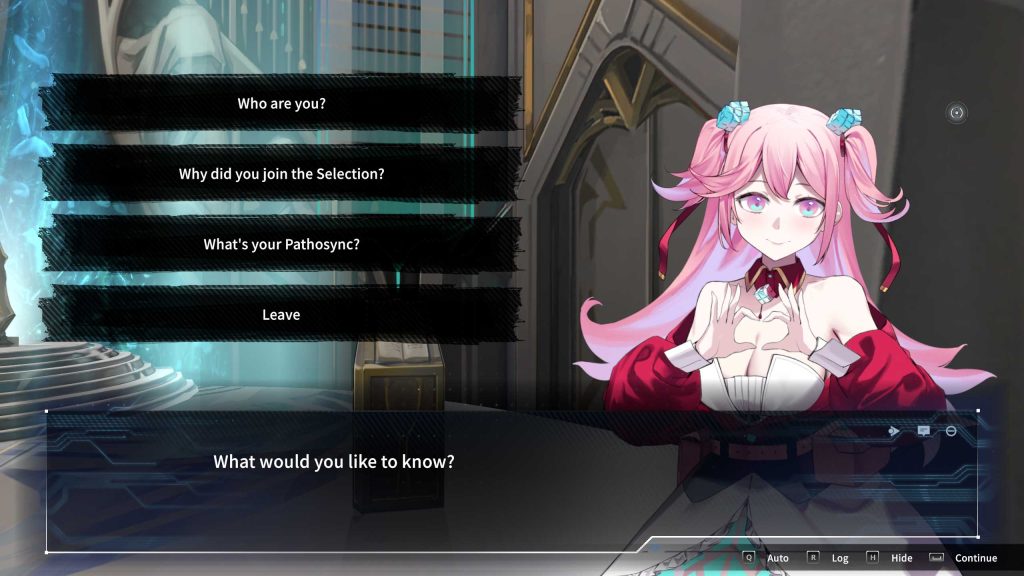
Psycho-Sleuth uses a recognizable anime-inspired art style, with detailed illustrations and animated characters brought to life through Live2D technology. Their expressions and movements add personality to conversations, although some of the animations can feel a little unnatural.
The game takes a much more direct approach to crime scenes. It doesn't shy away from showing bloody details and the consequences of murder, including some fairly graphic imagery. Fortunately, there's an option to tone down this content, which is a welcome addition for players who aren't comfortable with such scenes.
The visual identity works well with the story and its characters, and most importantly, the presentation understands what kind of game it wants to be. Psycho-Sleuth is primarily a narrative experience, so dialogue, character expressions and key illustrations take center stage.
Final Verdict
Psycho-Sleuth is much more than another visual novel about a group of people trapped in a deadly game. Its greatest strength is Pathosync, a system that turns cognitive disorders into actual gameplay mechanics and makes even the simplest investigation far less straightforward than it initially appears.
The investigations and trials successfully combine logical deduction with the unusual rules of the game's world, while the characters and their personal stories give us a reason to keep playing even after a particular case has been solved. I particularly like that the game doesn't stop at simply identifying the culprit, but uses different choices and moral dilemmas to further complicate the relationships between its characters.
Of course, there are a few things that could be better, such as some of the Live2D animations, but these issues don't take away from the overall experience. If you enjoy Danganronpa, detective mysteries, unusual characters and stories where nothing is quite what it seems, Psycho-Sleuth is a game that definitely deserves your attention.
Score: 9/10
Ako tražite povoljnije cene za igre, DLC-ove i druge digitalne proizvode, posetite Eneba i pogledajte aktuelnu ponudu.
Pre kupovine obavezno unesite naš promo kod BUFFGAMING i ostvarite dodatnih 5% popusta.
Kupi igre, poklon-kartice i dopune povoljnije