
Part of the Mystery
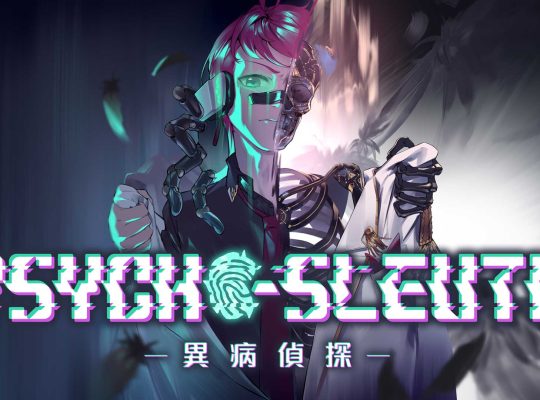
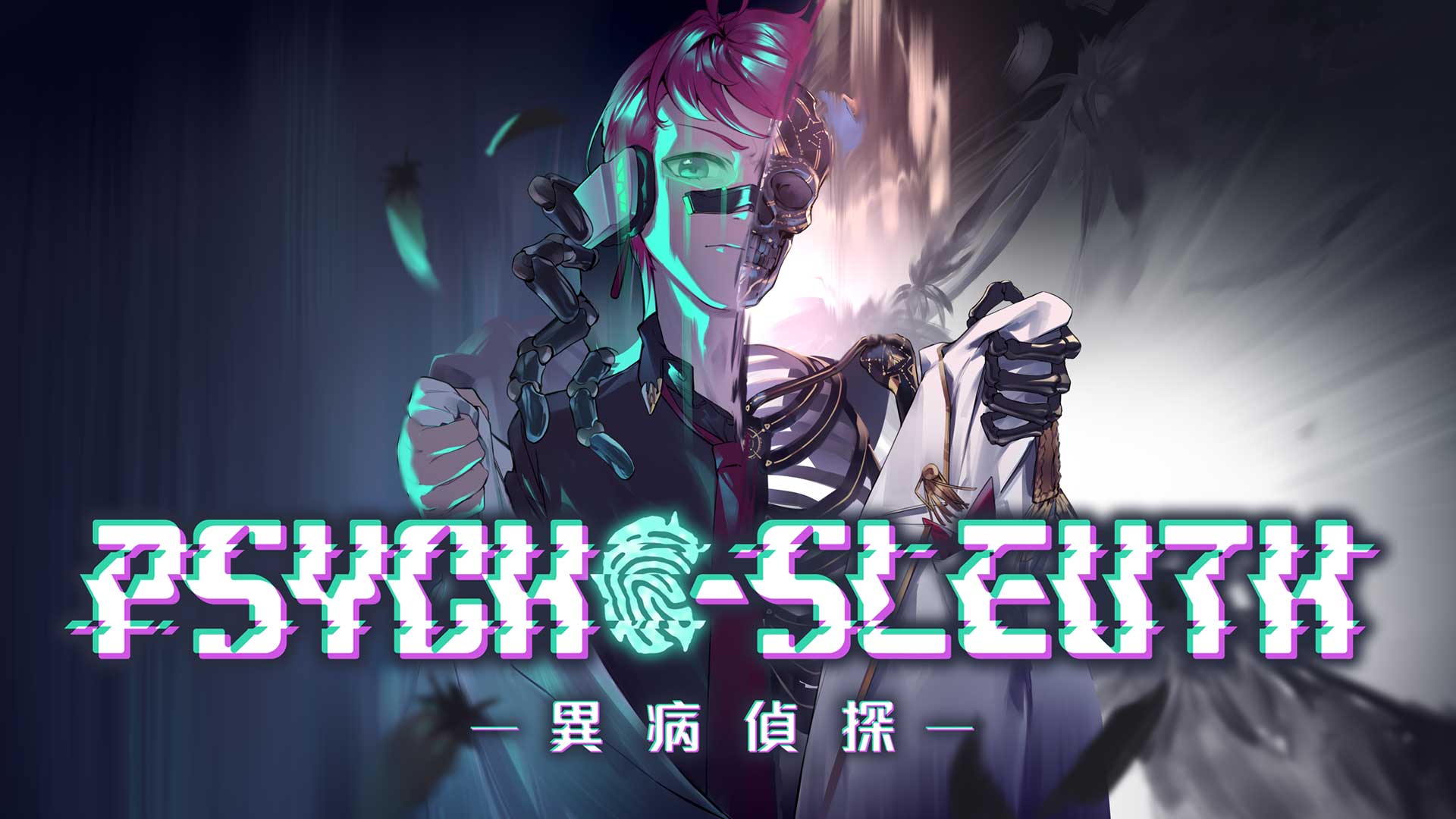
Psycho-Sleuth is one of those games that might initially seem like just another anime visual novel with a mysterious story, but it quickly shows that it has something more substantial to offer. During Gamescom, I had the chance to try the game, and what immediately caught my attention was the way psychological and cognitive disorders are not simply used as part of the story, but become an integral part of the game itself.
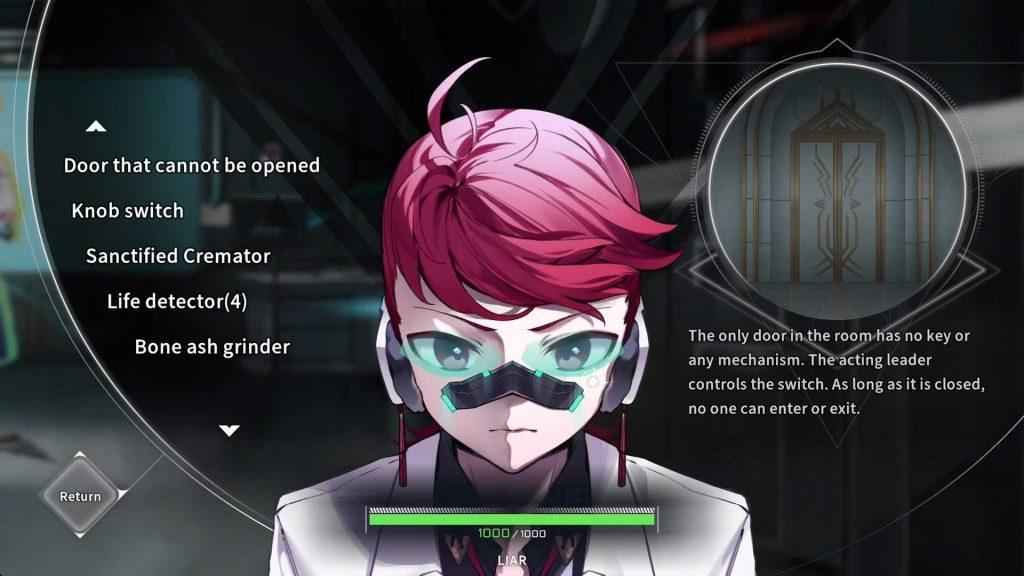
Psycho-Sleuth follows a group of 13 characters affected by different cognitive disorders, and their altered perceptions directly influence the way murders and investigations unfold. The official description lists OCD, which prevents characters from lying, spatial neglect, which can effectively “erase” evidence on the left side of an area, as well as prosopagnosia, which makes faces unrecognizable.
What I liked is that the game doesn't simply try to tell you a story about these conditions, but turns them into an actual part of the gameplay. In other words, the way you think about and observe a situation becomes just as important as the information you receive from the characters themselves. That's an interesting approach for the visual novel genre because it forces you to become a more active participant in the investigation instead of simply following the dialogue.
It's Not Enough to Just Follow the Story
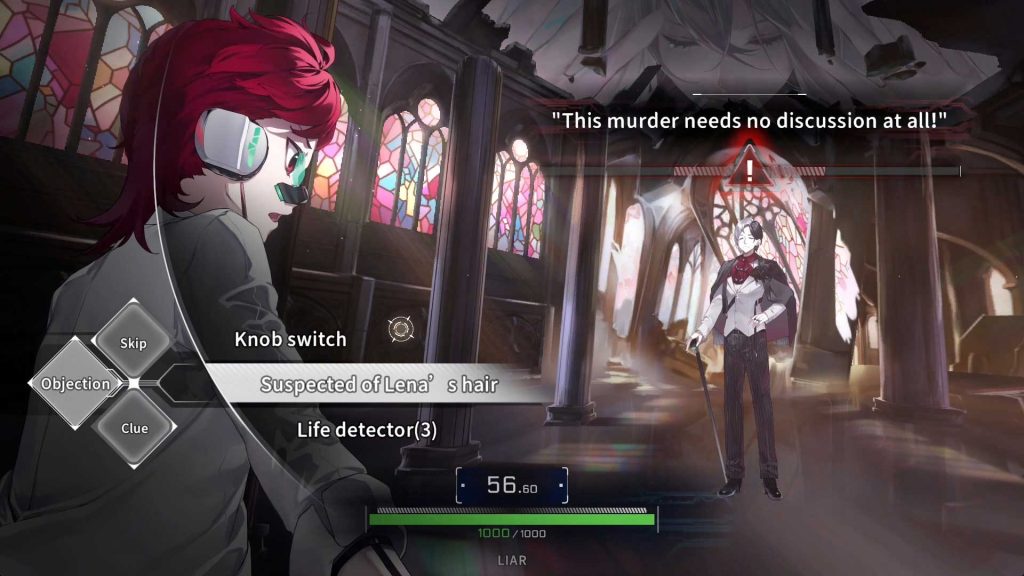
The most interesting part of what I played was the way the game's “battles” are handled. Psycho-Sleuth calls them Debate Battles, and during these sequences you have to quickly evaluate the characters’ statements and decide whether to accept what they are saying or respond with the appropriate piece of evidence. The official description emphasizes that these sequences test logic, instinct, and time management.
This was the part that left the strongest impression on me because it forces you to think instead of simply pressing buttons until the scene ends. When the game asks you to connect something you saw earlier with what a character is saying at that exact moment, the feeling of actually investigating something becomes much more convincing. More importantly, the mechanic pulls you further into the world because you start paying attention to details precisely because you know they might become useful later.
That's something these kinds of games often lack. A visual novel can have a great story and interesting characters, but if the player is nothing more than an observer, it can very easily turn into an interactive TV series. Psycho-Sleuth tries to take things a step further by making you actually participate in solving the mystery.
A World Where You Can't Always Trust What You See
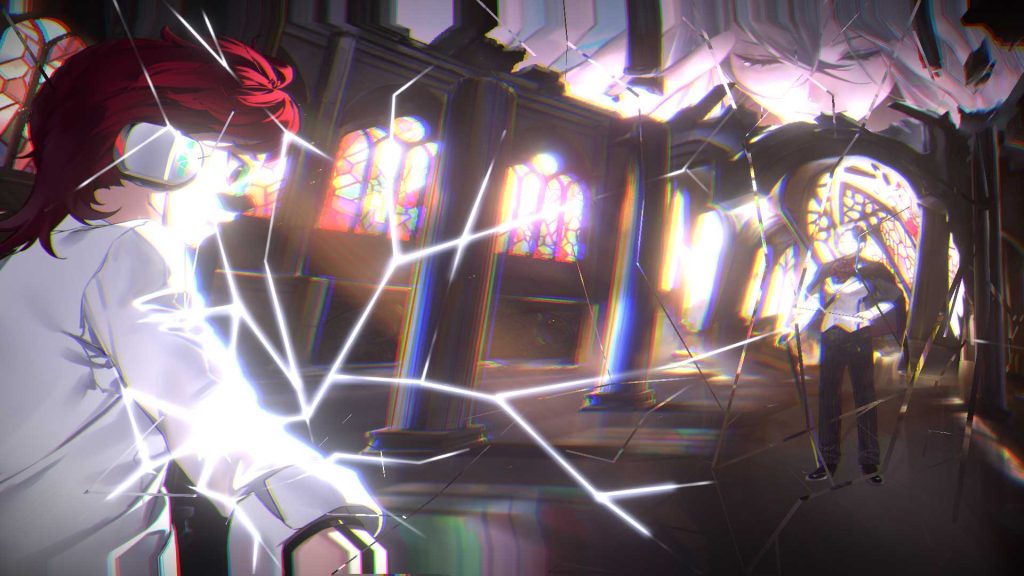
Another thing I found interesting is the way the game uses distorted perception as part of the mysteries themselves. The official description talks about crime scenes where evidence can be missing, faces can be unrecognizable, and even the surrounding space can be perceived differently.
Because of this, Psycho-Sleuth has the potential to create situations where the player first has to understand how a particular character's perception works before they can even begin to properly solve the case. I find that much more interesting than the classic “find an item, click on it, and move on” approach that often appears in mystery games.
Of course, a Gamescom demo isn't enough to judge how all of this will work once the game is complete. Psycho-Sleuth is currently planned for 2026, and developer PHOSEPO is still working on the final chapters of the game. Because of that, a lot will depend on how well the later cases manage to make use of these mechanics and whether the game continues to introduce new ways in which cognitive disorders can affect an investigation.
A Visual Novel That Wants You to Think
Visually, Psycho-Sleuth clearly belongs to the anime visual novel tradition, with Live2D character animations and detailed CG scenes. However, what mattered more to me during the demo was the fact that the visual style and gameplay complement each other. The characters aren't simply there to provide the next piece of dialogue; their different perceptions directly affect the way you interpret a situation.
And that's exactly why Psycho-Sleuth stayed in my mind after Gamescom. It's not a game that tries to grab your attention purely through big action sequences or spectacular presentation. Its main idea is much simpler, but potentially very interesting: what if the problem isn't that you don't know the truth, but that you can't see it in the same way as everyone else?
That's a concept that could work extremely well if the developer manages to take it all the way.
Definitely Worth Following
After what I played at Gamescom, Psycho-Sleuth definitely remains on my radar. What interested me the most was the way it combines a visual novel, detective investigation, and mechanics based on cognitive disorders, while the Debate Battles add another layer that prevents the experience from becoming nothing more than reading dialogue.
Of course, the real test will come when we can see how everything works across the full story. If the developer manages to maintain the quality of its mysteries and continues using different disorders as genuine gameplay mechanics rather than simply as story decoration, Psycho-Sleuth could become a very interesting visual novel for fans of detective games.
For now, after playing the Gamescom demo, I would definitely say that Psycho-Sleuth is worth keeping an eye on.