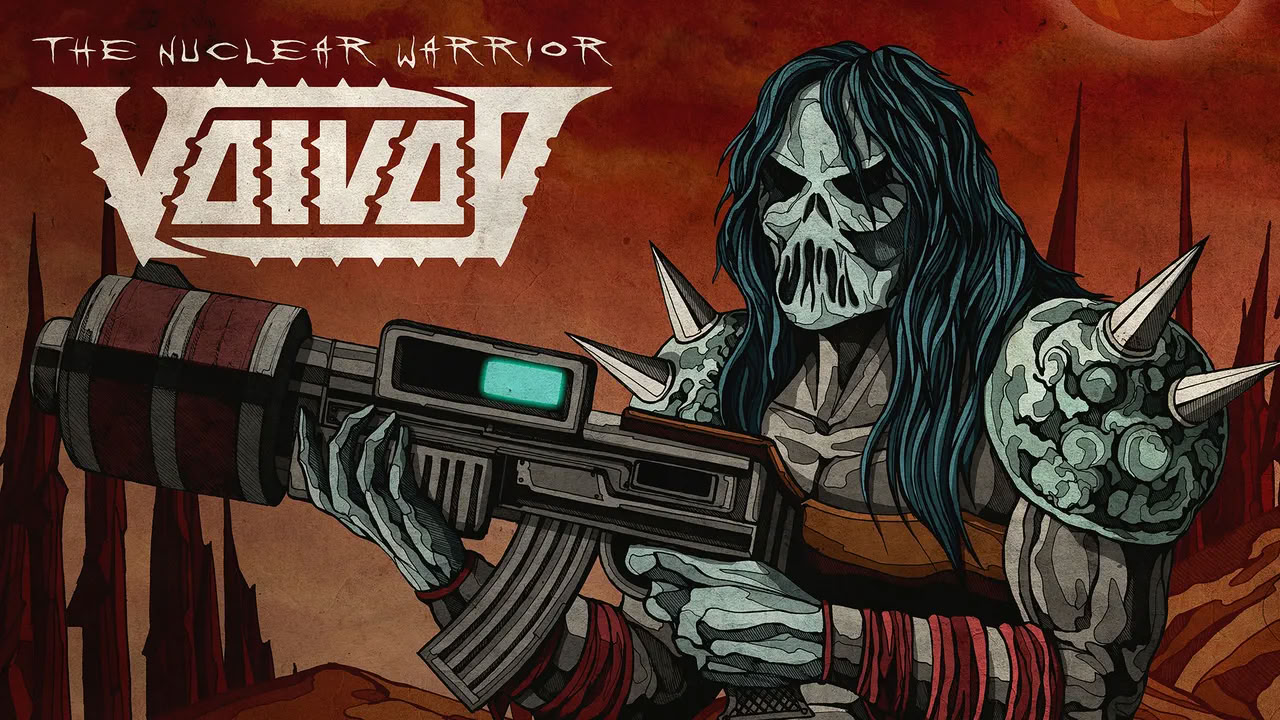
Voivod: The Nuclear Warrior DEMO: Voivod: The Nuclear Warrior impresses with its authentic pixel art, atmosphere, and excellent retro reinterpretations of the band's music, but the gameplay does not yet match the quality of its presentation. The exploration and Metroidvania elements show promise, while the combat, boss fights, and healing system leave plenty of room for improvement. – NemanjaKocica
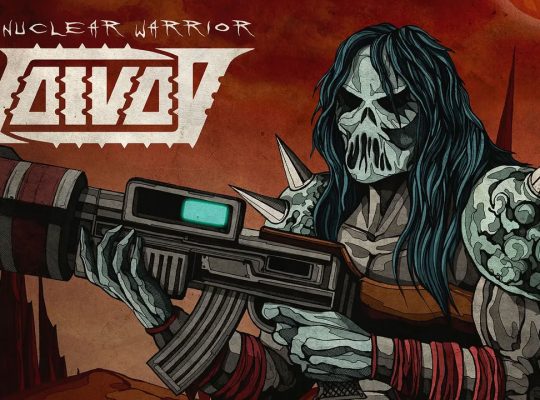
Voivod: The Nuclear Warrior is one of those games that immediately grabs your attention. Everything about it feels authentic to Voivod — from its grotesque pixel art inspired by Away’s work, to its surreal sci-fi setting and 8-bit and 16-bit reinterpretations of the band’s music. It quickly becomes clear that this is not just another licensed game with a famous name slapped on the box. Voivod is deeply integrated into the world, art, music, and story.
The problem is that the game itself does not always live up to the quality of its visual identity.
The Nuclear Warrior is a 2D action-adventure Metroidvania with run-and-gun combat, exploration, and a progression system that gradually opens up new areas of the map. Exploration is actually one of the more interesting parts of the experience. The world is strange enough to make you curious about what is waiting around the next corner, whether there is a hidden room nearby, or whether you should return to an earlier area once you unlock a new ability. One particularly interesting mechanic allows you to separate your consciousness from your body, and it is not just a neat narrative gimmick — it also plays a practical role in solving environmental puzzles and reaching otherwise inaccessible areas.
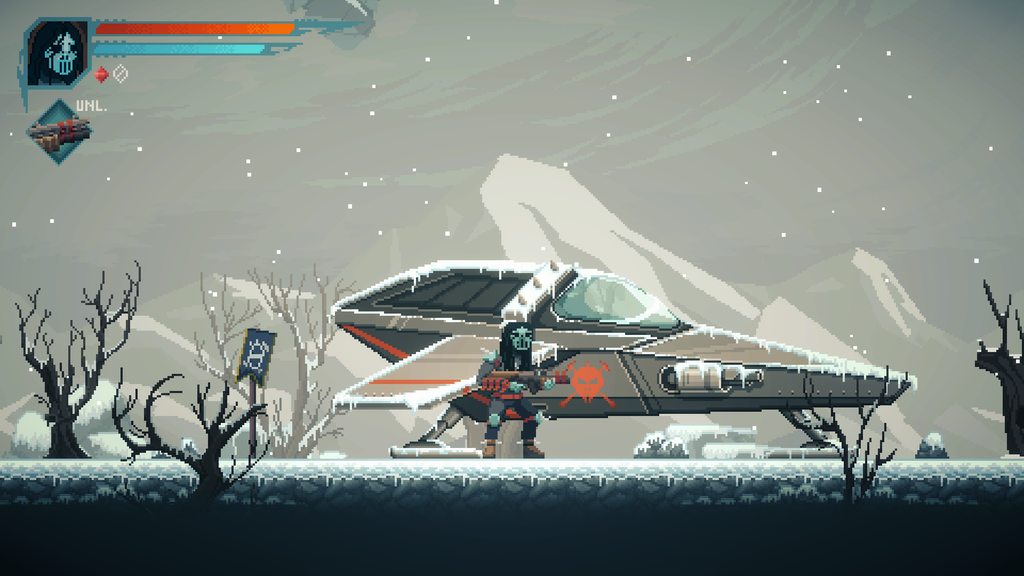
Unfortunately, things become much less impressive once the shooting starts. The basic gunplay works, but it is often enough to simply keep your distance and deal with enemies from relative safety. That makes the melee system feel underutilized. It is there, and it clearly seems important to the overall concept, but there is not always a compelling reason to take the extra risk when shooting from a distance is usually the safer and more effective option.
This becomes even more obvious with some of the regular enemies, which can feel overly predictable and easy to deal with. Even on higher difficulty settings, the game sometimes struggles to create enough pressure. The problem is not necessarily that Voivod: The Nuclear Warrior is too easy, but rather that its systems do not always force you to engage with them in the way you would expect from a more demanding Metroidvania.
Boss fights highlight this weakness even more. Instead of feeling like the natural culmination of everything the game has taught you, some encounters are more frustrating than entertaining. Certain attacks are not always easy to read, the visual cues are not consistently intuitive, and simply giving a boss a larger health pool does not make for better encounter design. With a game built around such a distinctive artistic vision, I expected far more creative and aggressive boss encounters.
The healing system does little to improve the pacing either. Consumable healing works well enough, but it can create situations where you spend more time thinking about resources than actually enjoying the game. Instead of encouraging experimentation with your abilities and pushing you deeper into the world, the system occasionally makes you feel like you need to stop and rebuild your supplies before moving forward.
And yet, despite all of these issues, it is difficult not to enjoy the world itself.
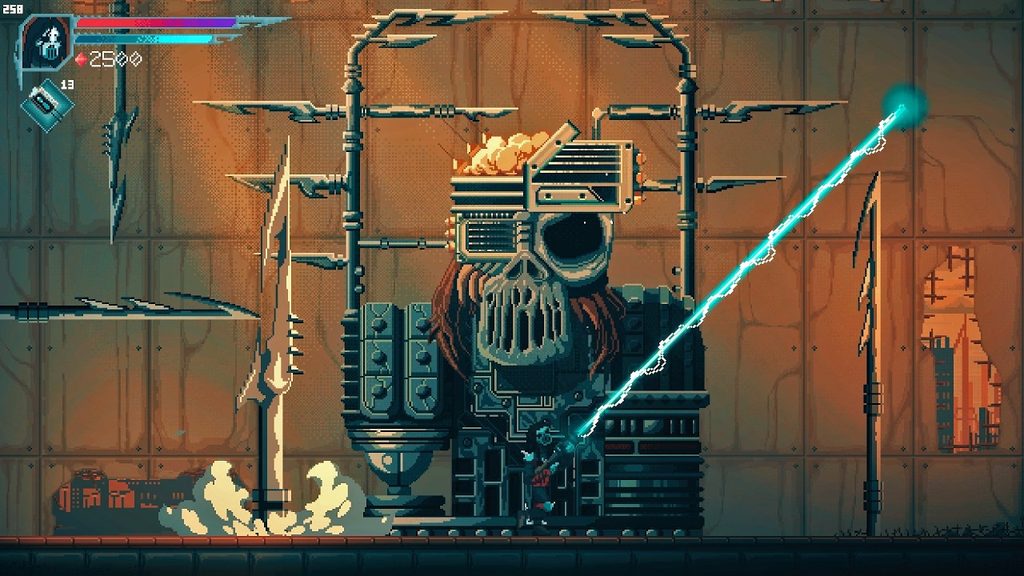
Voivod: The Nuclear Warrior looks fantastic. The pixel art is grimy, bizarre, and unmistakably Voivod, while the world often feels like something pulled straight out of a forgotten Voivod comic or album cover. The game works best when it stops feeling like just another Metroidvania and fully embraces the band's eccentric visual language. The same can be said for the music. The retro arrangements fit the game exceptionally well and are a far more interesting approach than simply placing the band's original recordings over the action.
The mutation system also shows promise. The ability to choose upgrades while working within a limited number of slots provides the foundation for different builds, and this could become one of the game's strongest systems in the full release. In the demo, however, those decisions do not yet feel significant enough to fundamentally change the way you play.
And that is ultimately the biggest problem with The Nuclear Warrior. The game constantly shows glimpses of something much better. The visual identity is there. The music is there. The Voivod universe is there. The exploration works, and some of the gameplay ideas clearly show that the developers have interesting concepts in mind. What is missing is the final layer of polish needed to bring all of those elements together into a truly memorable gameplay experience.
That is why Voivod: The Nuclear Warrior is currently much easier to recommend to fans of the band than to players simply looking for a great Metroidvania. For Voivod fans, this is a fascinating way to step inside a world they have spent decades experiencing through album covers, artwork, and lyrics. For everyone else, the question is whether the game itself is strong enough to justify everything its remarkably distinctive world promises.
Voivod: The Nuclear Warrior has an identity that is almost impossible to confuse with anything else, but for now, its gameplay does not leave quite the same impression.