
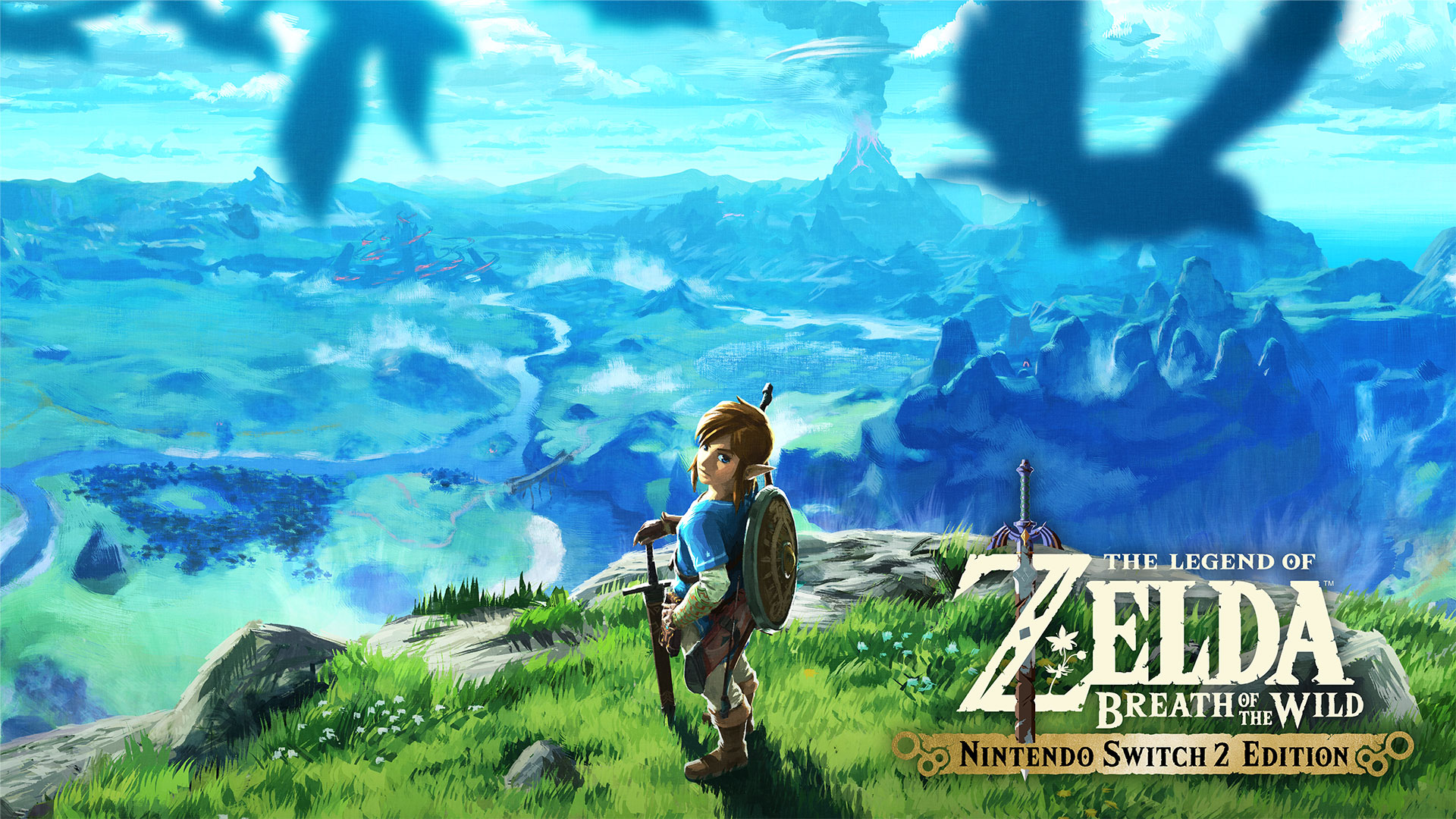
What is there left to say about Breath of the Wild? This is one of those games that has been discussed, dissected and praised from practically every possible angle. We know Hyrule, we know Link, we know what happened to Zelda, and we know why this game changed the way we look at open-world design when it launched in 2017.
And yet, after going through it again, this time on Nintendo Switch 2, I found myself thinking about something that still deserves to be talked about: just how good Breath of the Wild feels when the hardware finally allows it to run closer to the way you always wanted it to.
The thing I have always loved most about Breath of the Wild cannot really be explained by specs or numbers. It is the sense of freedom.
The game does not constantly pull you by the hand, point you toward your next objective or cover the map with icons just to make sure you are always doing something. It simply drops you into this enormous world and says: go.
And you really can go anywhere.
Some players will call the world empty, and there is some truth to that. There are huge stretches of Hyrule where you can travel for quite a while without encountering anything particularly remarkable. Enemy variety is also one of the game's weaker points, and once you have spent enough time in Hyrule, you quickly become familiar with most of the enemies you will face.
Combat is not especially deep or spectacular either. It does its job, and that is more than enough for what this game is trying to achieve.
Because Breath of the Wild was never really about constantly throwing content at you. Its greatest strength is the journey itself.
This is a celebration of space, freedom and exploration. And perhaps the best example of that is right there in the name: Breath of the Wild.
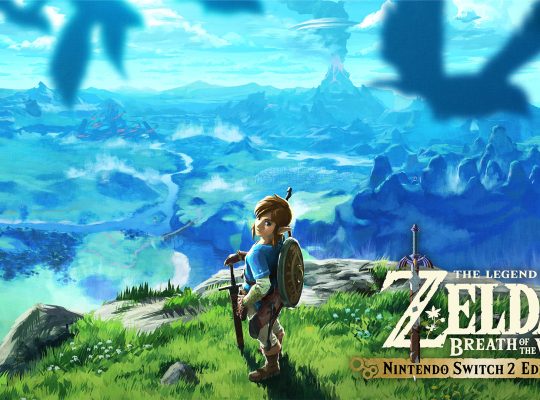
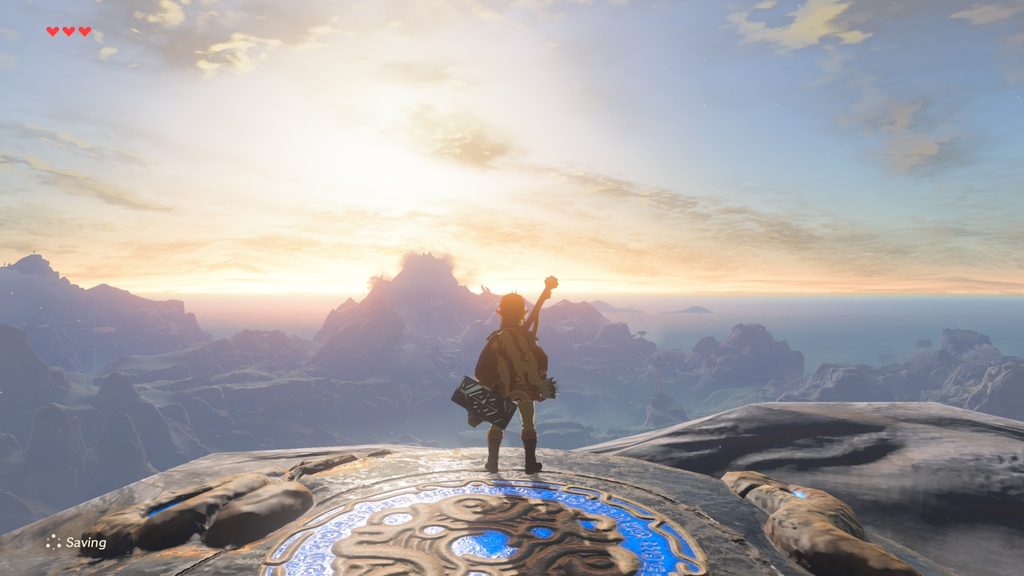
There are moments when you simply stand on a cliff, look across Hyrule and realise you do not actually want to do anything for a while. The wind moves through the grass, a mountain sits somewhere in the distance, and then that quiet, almost melancholic piano starts playing.
Nothing major has happened.
And somehow, you remember the moment.
Breath of the Wild is full of those moments.
The story, meanwhile, is fairly straightforward. I would not call it spectacular, but it is more than enough, and the way it is presented through memories and exploration works surprisingly well. Piece by piece, you learn what happened a hundred years ago and begin to understand how different Hyrule once was.
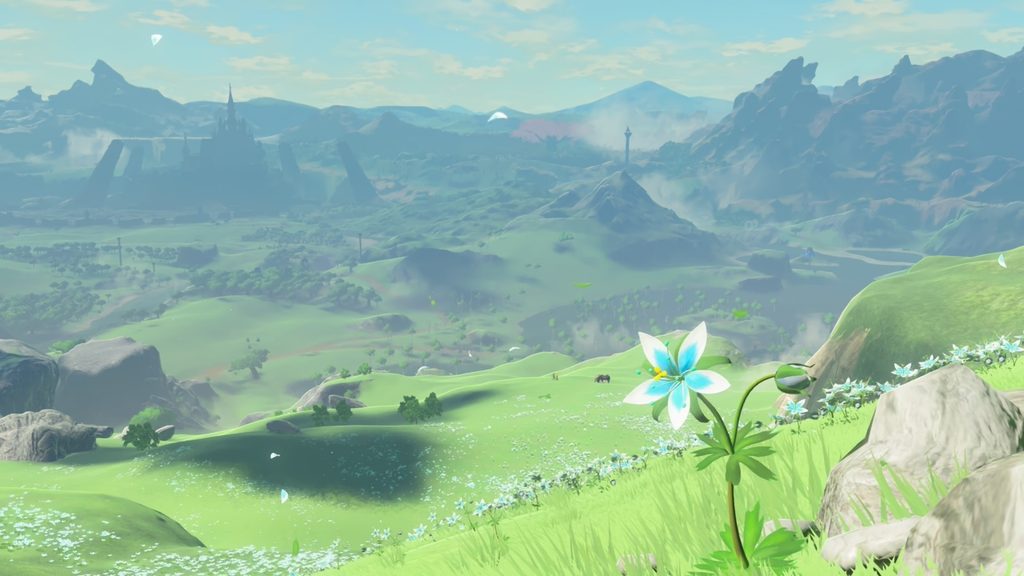
And there is something genuinely sad about seeing what is left behind.
Hyrule is broken.
As you travel through its ruins, discover traces of the old kingdom and see places that were once filled with life, it is almost impossible not to wonder what everything looked like a century earlier. What did Hyrule look like at the height of its power? What were its cities like? What was life like before the Calamity?
At the same time, the story gradually gives us a better understanding of Zelda, the burden she carried and the sacrifices she made, while Link slowly becomes what he was always meant to be: the hero who stands up when it matters most.
Still, what separates Breath of the Wild from so many other open-world games is not simply the size of its world. It is the way the world interacts with you.
You can steal weapons from sleeping enemies, lure them with food, use meat as bait, set the grass on fire and take advantage of the updraft created by the flames. You can attack from the air, manipulate your surroundings, improvise solutions and often solve problems in ways the developers probably never explicitly planned for.
That is where the brilliance of Breath of the Wild really shines.
It is not just asking, “How do we create an interesting obstacle?”
It is asking: what are you going to do with it?
That philosophy is why exploration remains so enjoyable even when you already know Hyrule. You can spend hours in a world you have seen before, notice something on the horizon and still think, “Wait, what is that?”
And then you go find out.
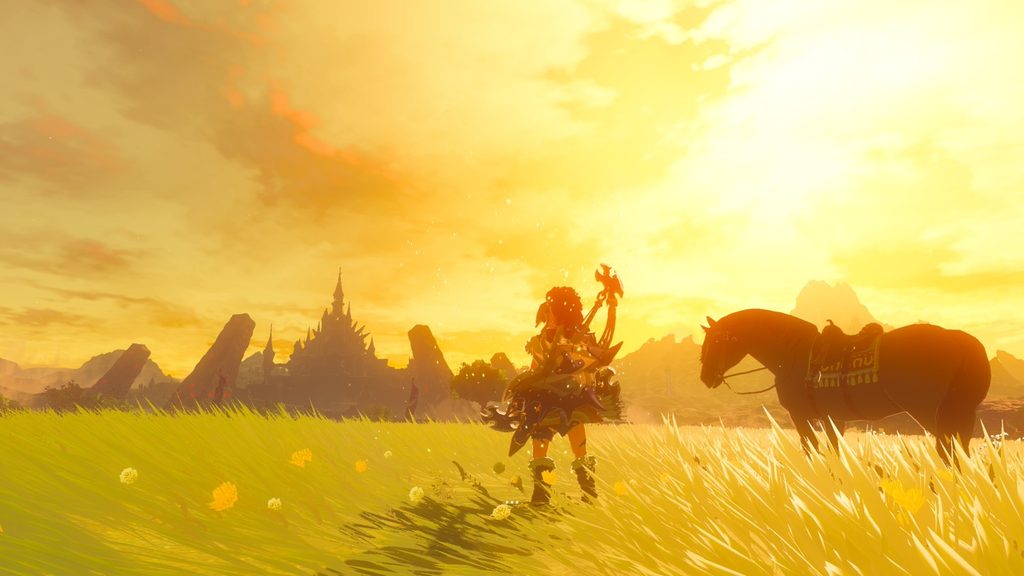
Breath of the Wild on Switch 2
This is where my experience with the game changed the most.
Breath of the Wild is still the same game. There is no brand-new story, no revolutionary new mechanic and no major new adventure waiting for you. But once you play it on Switch 2, it becomes obvious just how much the original experience was held back by the hardware it was designed to run on.
The biggest difference is the stable 60 FPS.
Everything feels smoother. Link's movement is more responsive, the camera feels better, combat has a noticeably cleaner rhythm, and the entire world feels more fluid. It is the kind of improvement that sounds minor when written down, but becomes immediately obvious once you are actually playing.
The visual improvements matter too. Breath of the Wild was never trying to be photorealistic, nor should it have been. Its visual identity has always been rooted in a beautiful, stylised interpretation of Hyrule.
On Switch 2, that style simply gets to shine more.
The image is cleaner, details are easier to appreciate and distant scenery looks far better than it did on the original hardware. The world feels more polished without losing any of the artistic character that made it so memorable in the first place.
But there is another part of the Switch 2 experience that should not be overlooked.
This is still a handheld console.
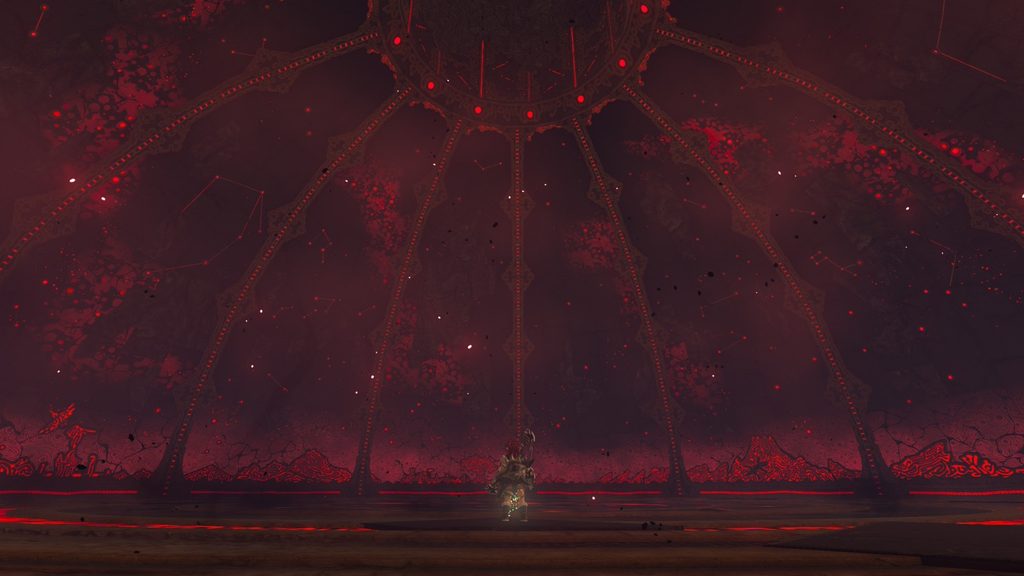
That sounds obvious, but it becomes much more meaningful when you actually sit down and realise that one of the biggest open-world adventures ever made can now sit in your backpack.
You can play Hyrule on your terrace with a coffee. You can spend two hours exploring the map on a train. You can finish a Shrine on a bus while commuting somewhere. You can sit on a beach and spend an afternoon wandering through one of the most beautiful worlds Nintendo has ever created.
That is where the Switch 2 version becomes something more than a technical upgrade.
It is not simply about sharper visuals or a smoother frame rate. It is about being able to carry Breath of the Wild with you and experience that enormous adventure virtually anywhere, without giving up the feeling of playing a proper console game.
After all these years, it is still hard to find a reason not to play Breath of the Wild again.
Yes, the enemy variety could have been better. Yes, the combat is not the genre's deepest system. But the way this game handles space, freedom and exploration still makes it one of those rare experiences you genuinely enjoy returning to.
That is Breath of the Wild.
And perhaps that is its greatest achievement.
This is not a game that forces you to keep playing.
It is a game that makes you want to.
On Switch 2, with a smoother presentation, better image quality and a stable 60 FPS, that feeling is stronger than ever. The game did not need a new soul, because it never lacked one in the first place. It simply needed the hardware to let that soul shine a little brighter.
And let us not forget the most important thing of all:
Link has a motorbike. What more do you need?
Breath of the Wild is still a masterpiece. On Switch 2, it finally feels like the version I always wanted to play.
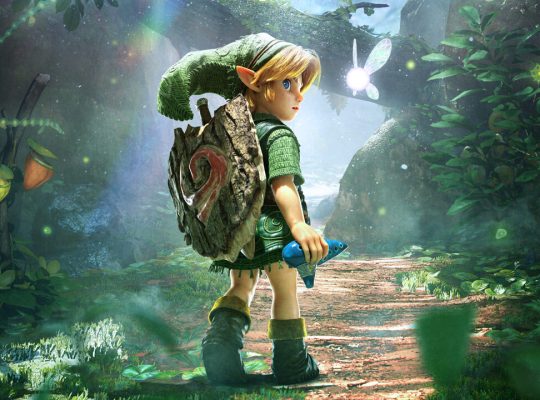
And I have finished both open world Zelda game in time for Ocarina of Time.