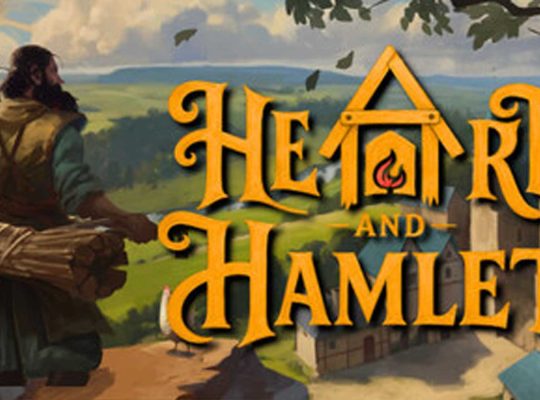

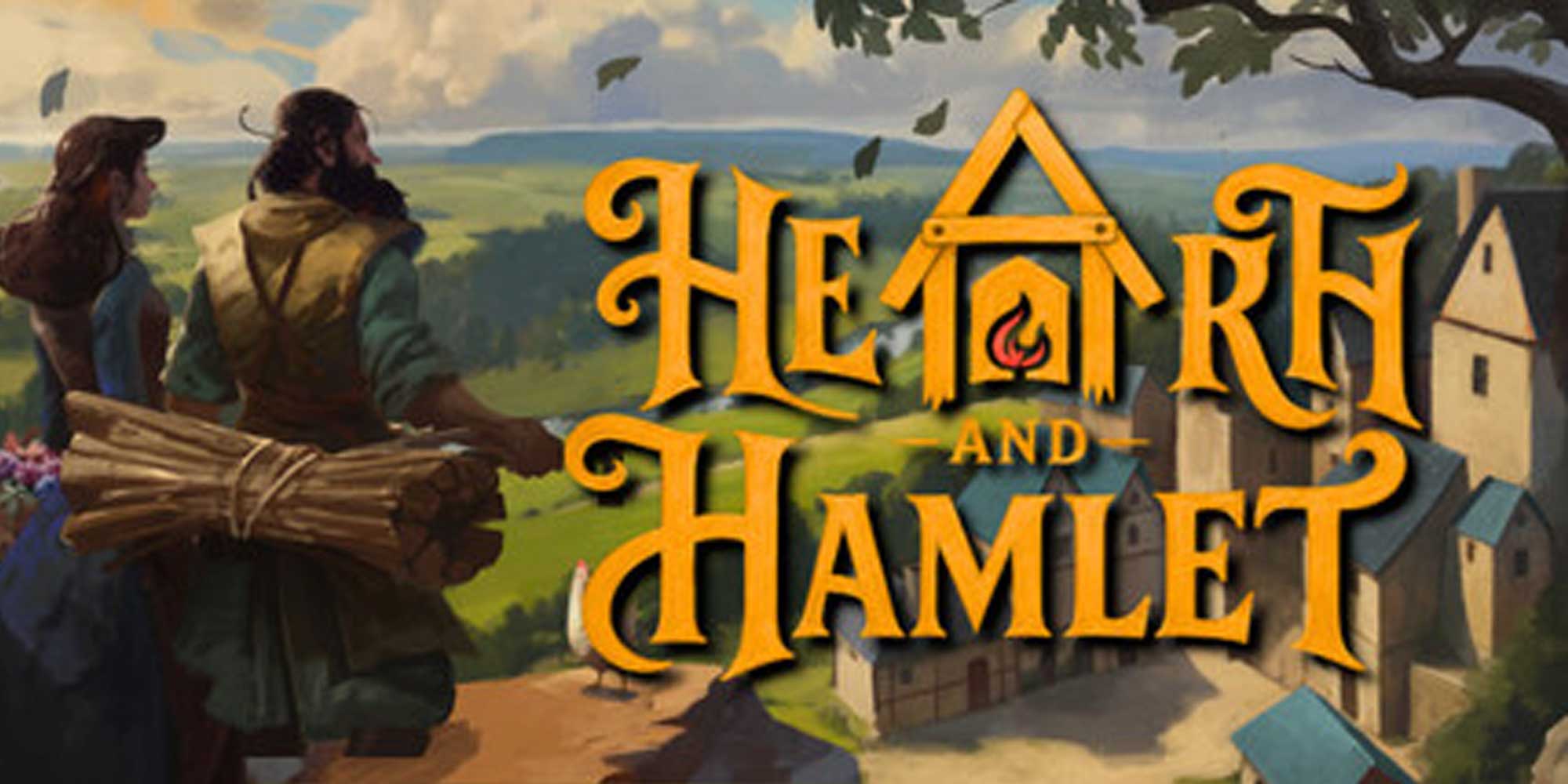
Hearth and Hamlet: Hearth and Hamlet is a charming and relaxing city-builder that works best when you're looking for something simple and low-pressure. Settlement growth, worker management, and systems such as laws and taxes provide some depth, but its incremental nature eventually makes the experience feel too passive. – NikolaOtasevic
Hearth and Hamlet starts off rather modestly. You have a fire, a few villagers, and just enough resources to take your first steps. From that humble beginning, you slowly build your settlement – hiring new workers, constructing buildings, securing food, wood, and stone, and eventually unlocking trade, laws, taxes, and the military.
At first glance, it looks like a classic city-builder. However, after a few hours, it becomes clear that Hearth and Hamlet is much closer to an incremental game with management elements. Most of your time is spent producing resources, investing those resources into upgrades, and then producing even larger quantities.
And interestingly enough, that simple system works much better in the beginning than I expected.
From One Fire to a Real Village
The first few hours are probably the best part of the game. Everything moves quickly enough that you constantly feel like you're making progress. You build a new structure, gain a few more villagers, unlock a new resource, and suddenly the small settlement that initially looked like a handful of houses starts to resemble a real village. Manually gathering resources even has a certain charm at this stage. You click, get what you need, and immediately see that you're getting closer to the next upgrade. The problem starts when your village begins to grow seriously.
At that point, the amount of resources you need starts increasing much faster than your sense of progression. What was initially satisfying clicking gradually starts to feel like a chore. You can hold down the mouse button to speed up production, but after a while you realize you're basically just watching numbers go up while holding the mouse. And that's not exactly the most exciting form of gameplay. The other option is to simply let your workers do their jobs and leave the game running in the background. And honestly, there was a point where that's exactly what I did.
Workers, Resources, and Decisions That Actually Make Sense
Thankfully, not everything is completely automated. You have to assign workers according to your current needs. If you need a lot of wood, you'll move more people into wood production. If you later run short on stone or food, you'll have to reorganize your village again. It's not revolutionary, but it works. What I liked more was when the game starts introducing laws, taxes, and resident morale. This is where Hearth and Hamlet finally moves beyond its pure incremental loop and gives you the feeling that you're actually managing a settlement.
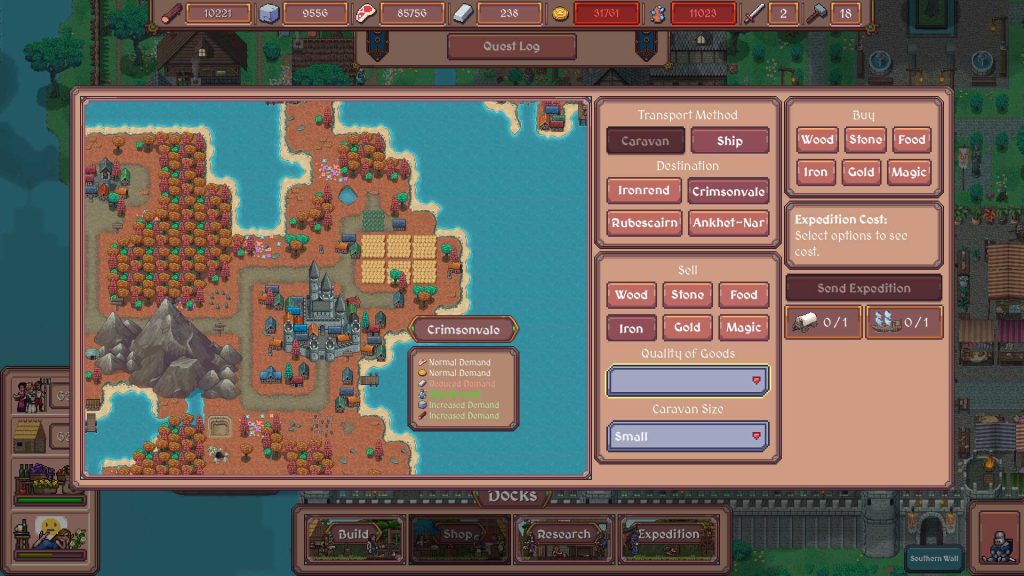
Suddenly, you're not just thinking about how much wood you have, but also about the consequences certain decisions can have on your villagers and the village economy. Trade also becomes available later and serves as a useful addition, although it doesn't really bring any particularly original ideas to the table. Still, it gives you another reason to think about how you're using what you produce.
When Relaxing Becomes Passive
This is probably the most important thing to know before getting into Hearth and Hamlet. The game is very, very peaceful. I didn't have any major economic crises. I wasn't constantly scrambling to prevent starvation. I wasn't opening ten different menus trying to figure out why my economy was collapsing. The interface is simple, the systems are mostly easy to understand, and the music fits the relaxed pace perfectly. And that's exactly why I can imagine Hearth and Hamlet being the perfect game for some people.
If you want something you can run while watching YouTube, listening to a podcast, or doing something else, and then occasionally check in on to see how your village is progressing, this works very well. But there is a difference between being relaxed and being too passive. For me, the game crossed that line several times. I wasn't finishing a session thinking about what I wanted to build next time. More often, I was thinking about how I could leave the game running while I did something else. And for a city-builder, that's quite an important distinction.
The Military Is the Weakest Part
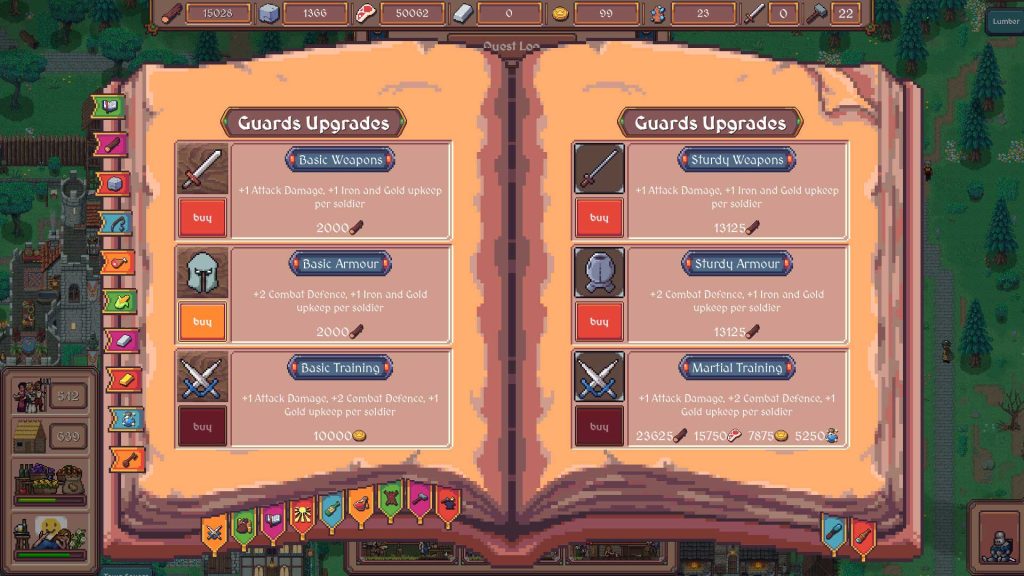
The military system was the part that convinced me the least. As your settlement grows, you have to invest resources into your military and prepare for attacks. On paper, this sounds like a system that should introduce tension and force you to plan your economy more carefully. In practice, however, the battles take place almost entirely outside of your direct control. There isn't enough of a feeling that you actually made a tactical decision that determined the outcome of a battle. It feels more like another system checking whether you have enough resources.
Because of that, the military side doesn't fit particularly well with the rest of the game. Hearth and Hamlet is mostly relaxed and pleasant, and then suddenly you're expected to invest resources into an army to prevent something that happens fairly far removed from you. I would have liked to see more direct control here, or at least more decisions with meaningful consequences.
The Biggest Reward Is Watching the Village Grow
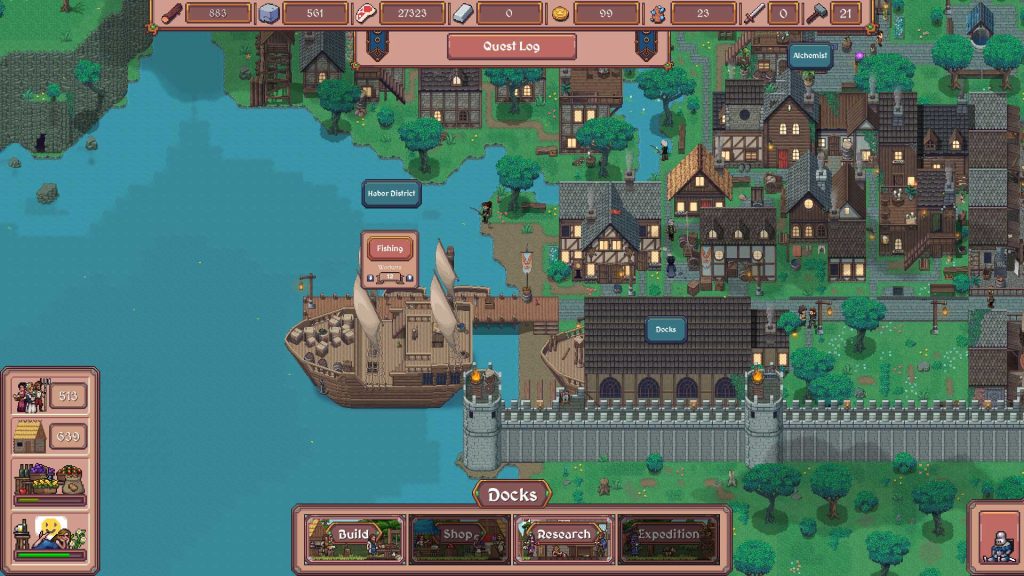
If there's one part of the game that consistently works, it's the visual progression of your settlement. The pixel art is simple but charming. You start with practically nothing and gradually gain houses, production buildings, roads, and more and more villagers moving around the map. It's not the most detailed city-builder you'll ever see, but there's something genuinely satisfying about coming back after some time and seeing how much your little village has changed. Even when the gameplay loop starts becoming repetitive, the visual growth still gives you a sense of progression. Technically, I didn't run into any major issues. The game is lightweight, stable, and doesn't require particularly powerful hardware.
Conclusion
Hearth and Hamlet is one of those games that doesn't try to impress you with a massive number of systems. Instead, it slowly pulls you into its little world.
Its biggest strength is that gradual sense of growth. You start with a single fire and a handful of villagers, and eventually end up with a proper little town. Worker management makes sense, laws and taxes add some extra depth, and the pixel art makes the whole process pleasant to watch.
The problem is that underneath all of this lies a fairly simple incremental loop. As you progress, you spend more and more time waiting for resources or leaving the game running in the background. The military is also less developed than the other systems and fails to introduce the tension it should. Because of that, it's difficult for me to recommend Hearth and Hamlet to someone looking for a deep city-builder that will hold their full attention for hours. But if you're looking for a calm, simple, and visually pleasant game that you can leave running in the background, there is definitely something here.
Score: 7/10
A pleasant game for relaxing and watching a small village grow, but once the initial charm wears off, it's hard to ignore just how much of the experience can be left on autopilot.
The game was played on PC.