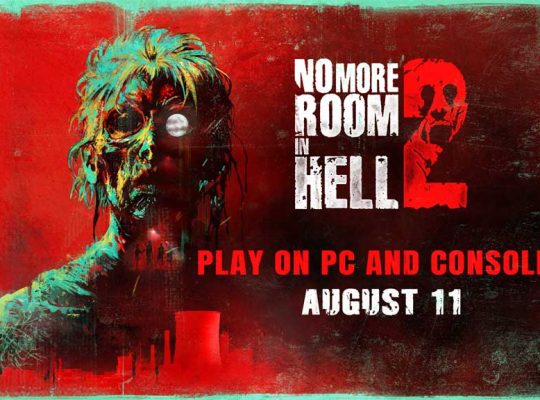

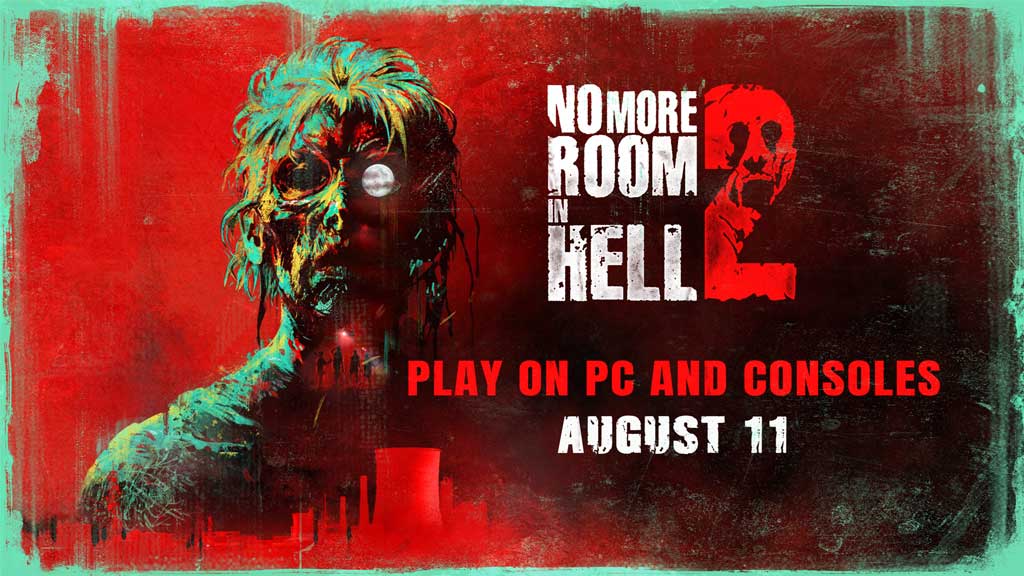
No More Room in Hell 2: No More Room in Hell 2 finally feels like a complete game in its 1.0 version. Its slower pace, permadeath system, and focus on teamwork create a tense zombie survival experience that shines with a good group of players. It isn't perfect and can become repetitive over time, but as a tactical co-op survival game, it's a strong choice. – Ognjen Janjic
After nearly two years in Early Access, No More Room in Hell 2 has finally reached version 1.0, alongside its release on PlayStation 5 and Xbox Series X|S. Most importantly, the transition is noticeable. This no longer feels like a project that is still trying to find its identity. Version 1.0 feels much more complete, polished, and confident in what it wants to be. And what it wants to be is quite clear: a slow, brutal, and tactical co-op zombie survival game where death actually has consequences. This isn't a game where you can mindlessly charge into a group of zombies and come out on top. You're vulnerable, resources are limited, noise has consequences, and one bad decision can mean the end of your character. That's exactly why No More Room in Hell 2 manages to create a level of tension that many modern zombie games don't even attempt.
An Atmosphere That Forces You to Be Careful
The game's biggest strength is still its atmosphere.
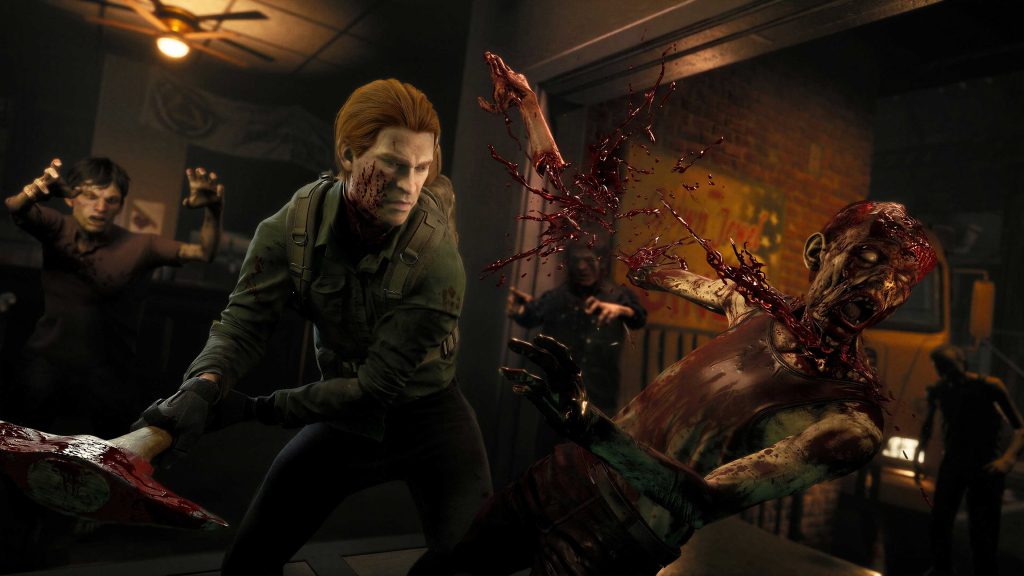
No More Room in Hell 2 never tried to be the next Left 4 Dead or Back 4 Blood, and that's probably one of the best decisions the developers could have made. There is no feeling that you're an unstoppable soldier who can clear an entire street on your own.Ammo is scarce. Zombies react to sound. Every gunshot can attract unwanted attention, and when things get out of control, you quickly realize just how vulnerable you actually are.
The pace is slower and requires patience. Often, it's better to avoid a group of zombies than waste half your ammunition fighting them. Sometimes you'll even change your entire route rather than make enough noise to attract a horde. That's what makes successfully completing a mission feel so rewarding.When you make it through a dangerous area, complete your objective, and finally reach the extraction point, it feels like you've actually survived something rather than simply completed another level.
Permadeath Changes the Way You Play
Permadeath isn't some side system designed to make the game look more serious. It's one of the foundations of the entire experience.If your character dies, they're really dead. You lose their progression and everything you've built on that character. That completely changes the way you think. In most co-op games, death is just a minor inconvenience. Here, you start thinking before making every move. Is it worth using your last bullet? Should you risk yourself for some extra loot? Do you really want to try saving a teammate if there's a high chance you'll both die? These situations create some of the game's best moments. Sometimes you'll risk everything to save a friend. Other times, you'll have to accept that the situation is lost and move on.It can be brutal, but that's exactly where No More Room in Hell 2 gets its character.
Combat Isn't Elegant – and That's the Point
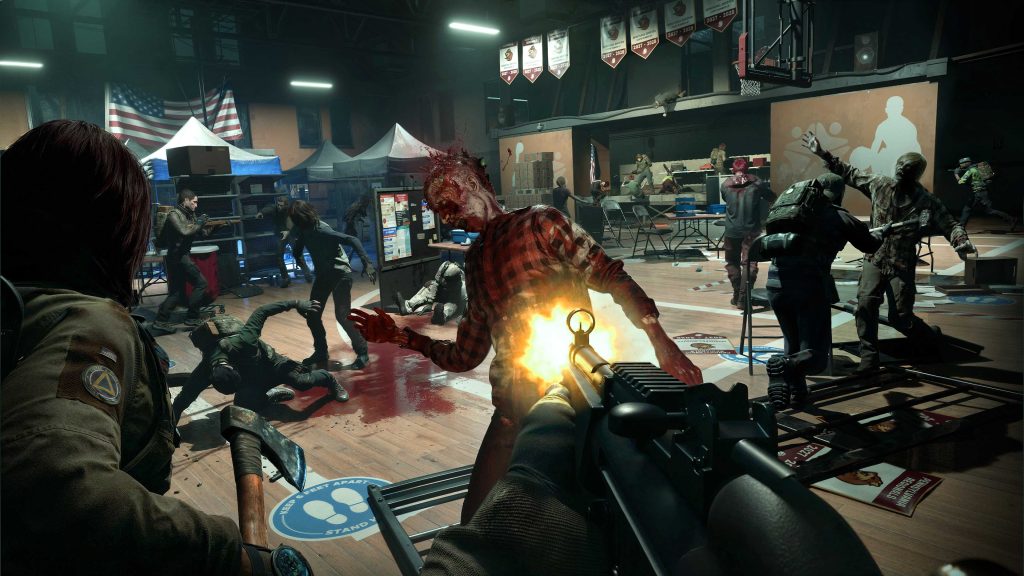
Combat is rough, heavy, and intentionally somewhat cumbersome. Melee weapons such as axes, shovels, and crowbars have weight to them. Hits don't simply feel like animations waiting to finish; they feel like something you're actually using to defend yourself against an enemy that's too close for comfort. Guns are much more powerful, but ammunition is limited, especially during the earlier parts of the game. Shooting isn't automatically the answer to every problem. There are other options as well – traps, explosives, and different ways of controlling space – so the game often rewards planning more than raw firepower. Of course, the gunplay won't appeal to everyone. Especially on a controller, it can feel heavier and less precise than what you would expect from a major AAA shooter. But that actually fits the game's philosophy. No More Room in Hell 2 doesn't want you to feel like a super-soldier.
1.0 Finally Feels Like a Complete Product
One of the biggest changes brought by version 1.0 is the amount of content and overall polish. There are new maps, additional systems, and Survival Mode, which changes the pace compared to the standard Objective missions. Instead of progressing through a traditional objective, you focus on surviving waves of zombies and defending a specific position.
It's a welcome change because it shows another side of the game. Standard missions build tension through exploration and gradually increasing risk, while Survival Mode puts much more emphasis on chaos and pressure.
Solo Mode is also a useful addition. It allows you to learn the maps and basic mechanics without immediately risking your main character. Progression is limited, but as a way to learn the game, it works perfectly well. The maps are also more varied than before, ranging from urban areas to industrial complexes, a hospital, and the Raven Rock military bunker.
Still, after spending a significant amount of time with the game, it becomes clear that more maps and additional objective variations would be very welcome.
Everything Depends on Who You Play With
If there's one thing that can dramatically change the experience, it's your team. With friends who communicate, share resources, and help each other, No More Room in Hell 2 can be fantastic. On the other hand, random lobbies can be a completely different story.One player goes off on their own, another starts shooting for no reason, a third attracts an entire horde, and the fourth disappears somewhere on the other side of the map. And that's when the game can become frustrating. The proximity voice chat adds another layer to this, making communication part of the gameplay. When someone quietly warns the rest of the team that a horde is nearby, or when you're trying to coordinate an extraction while everything is falling apart around you, the game is at its best.
Where 1.0 Still Has Room to Improve
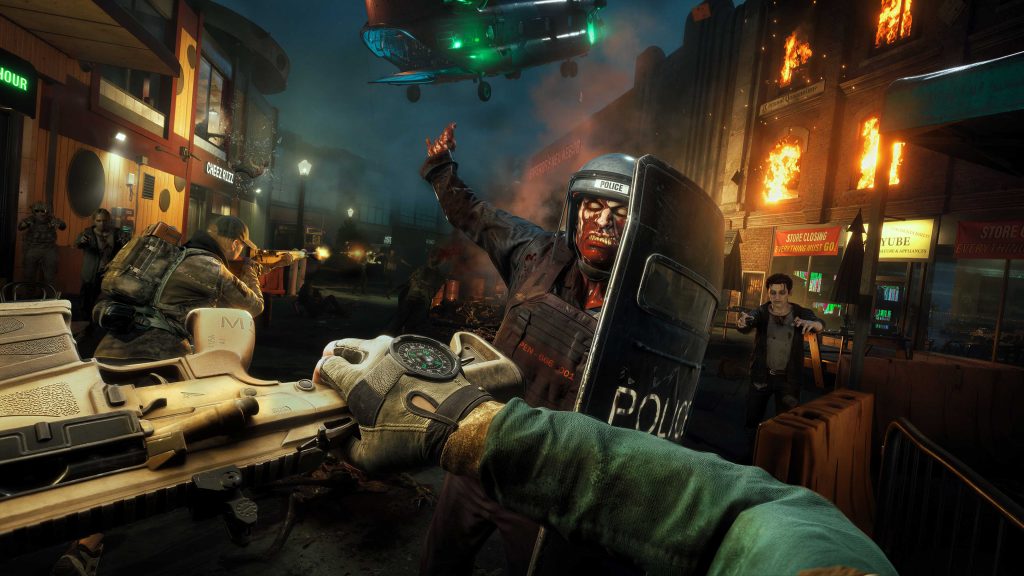
Although version 1.0 is much more polished, it isn't completely free of technical issues. Minor bugs can still appear, while playing with a controller doesn't provide the same level of precision and fluidity you get with a mouse and keyboard. Progression has also been improved through Merits, Weekly Assignments, and cosmetics, but it isn't deep enough to be the sole reason for playing hundreds of hours. The real reason to come back is the survival experience itself and having a good team. That also means the game can start to feel repetitive after a significant number of hours. Once you know the maps, mission patterns, and enemy behavior, some of the uncertainty begins to disappear. Still, this is a problem that will mostly affect players who put dozens or hundreds of hours into the game.
Final Verdict
No More Room in Hell 2 is at its best in version 1.0.
After a long Early Access period, it finally feels like a complete product with a clear identity. Its greatest strength isn't the number of zombies or the spectacle, but the feeling that you're genuinely vulnerable and that every decision can have consequences. Permadeath gives every mission weight, limited resources force you to think, and co-op with a good team can produce some of the best zombie survival moments you'll experience.The game isn't perfect. The controls could be better, progression isn't particularly deep, and the content can start to feel repetitive after many hours. But it's now much easier to recommend than it was during its earlier Early Access stages. If you're looking for fast-paced zombie action in the style of Left 4 Dead, this probably isn't the game for you.
If, however, you're looking for slower, more tense, and much more unforgiving co-op survival where death actually matters, No More Room in Hell 2 is definitely worth trying. Especially if you have a team willing to make some very bad decisions together.
No More Room in Hell 2 may not be the most accessible zombie game on the market, but that's exactly why it has its own character. Version 1.0 finally gives it the opportunity to show just how strong the idea behind this project has been from the beginning.