
Beyond the Dark: Nightwatch: has an intriguing asymmetrical co-op horror concept that can deliver tense moments when both players work together. However, unbalanced AI, technical issues, repetitive gameplay, and an abrupt ending prevent it from reaching its full potential. – NemanjaKocica
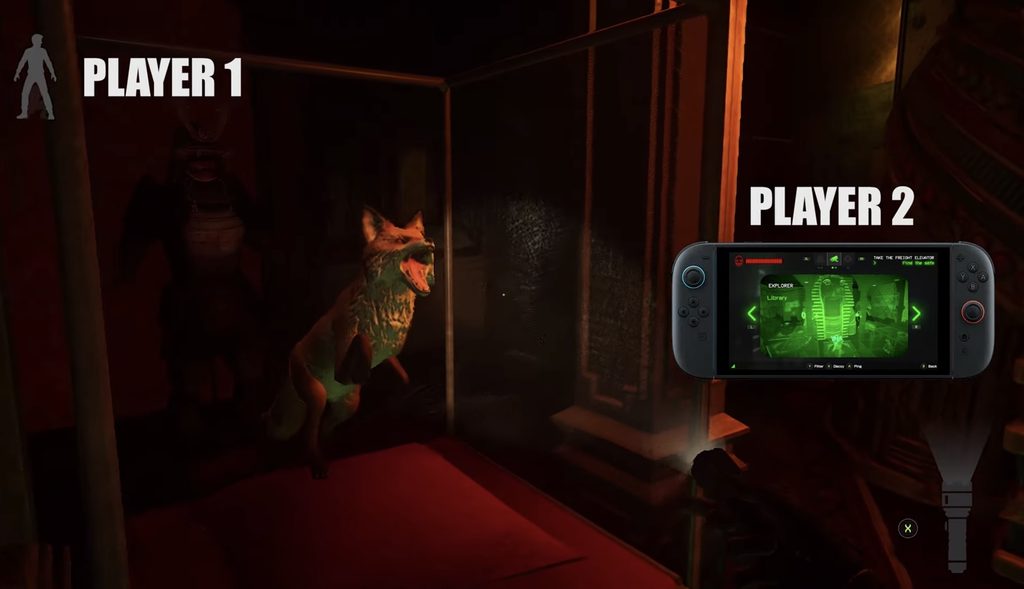
Horror games often try to scare us in much the same way: dark corridors, unsettling sounds, and an enemy that could be lurking around any corner. Beyond the Dark: Nightwatch attempts to do something different by building its experience around asymmetrical co-op gameplay. The idea is simple but potentially very effective: the two players have different perspectives and access to different information, forcing them to work together to survive. When everything falls into place, this approach can deliver some genuinely tense moments. The problem is that Beyond the Dark: Nightwatch struggles to make the most of what sets it apart from other horror games.
Cooperation with Potential
The game's biggest strength is undoubtedly its asymmetrical gameplay. Rather than having both players do the same thing, each takes on a different role, making communication an essential part of the experience. You can't simply run through rooms and try to escape the monster. You need to share information, keep track of the situation, and coordinate your actions to make progress. When you and your partner are on the same page and manage to piece together the information available to you, the game can deliver moments that make you want to push forward.
This is precisely what makes Beyond the Dark: Nightwatch interesting. It doesn't just try to scare you; it forces you to rely on another person. However, a good idea can only take you so far if the rest of the game fails to deliver. Instead of tension coming purely from uncertainty and danger, certain situations become frustrating because of problems with the game's execution.
When Horror Turns into Frustration
One of the biggest problems lies in the monster's behaviour. Its AI is poorly balanced, and during patrols, the creature frequently gets stuck when it encounters obstacles. In these situations, it remains on the map longer than it should, and the only way to get it moving again is to approach it or walk past it. Naturally, attempting to do so often results in a game over.
This isn't the kind of unpredictability that makes horror exciting. When an enemy catches you off guard because it has been cleverly positioned or because you've made a mistake, the resulting tension feels earned. But when the creature gets stuck because of a technical issue, forcing you to risk your progress just to get the situation moving again, the whole experience falls apart. It's difficult to feel frightened when you realise the game is punishing you for its own shortcomings.
The problems don't stop with the monster. The surveillance camera system, which should play an important role in navigation and coordination, also suffers from technical issues. Cameras sometimes activate and deactivate without any clear explanation, making it harder to keep track of what's happening. In a game that relies so heavily on information and communication, these aren't minor inconveniences. They directly affect how you play and undermine your confidence in the very mechanics you're supposed to depend on.
Repetitive Gameplay and a Disappointing Ending
Beyond the technical issues, Beyond the Dark: Nightwatch also suffers from repetitive gameplay. A good idea can carry a few tense encounters, but as time goes on, the lack of variety becomes increasingly noticeable. Rather than making the experience more engaging as it progresses and gradually building tension towards the finale, the game falls back on repetitive patterns that eventually become tiresome. Add the unpredictable monster behaviour and the camera issues to the mix, and maintaining interest all the way to the end becomes a challenge.
Unfortunately, the finale does little to improve the overall impression. The final section feels rushed, while the ending itself is abrupt and fails to provide a satisfying sense of closure. After all the effort required to reach that point, I expected something more compelling. Instead, it feels as though the game fails to properly capitalise on what it has been building towards over the preceding hours.
That's a shame, because the asymmetrical co-op concept genuinely has potential. With more reliable technical performance, better-balanced enemy behaviour, and more carefully considered pacing, Beyond the Dark: Nightwatch could have been a much more memorable experience. As it stands, the game too often reminds you of what it could have been rather than fully drawing you into what it actually is.
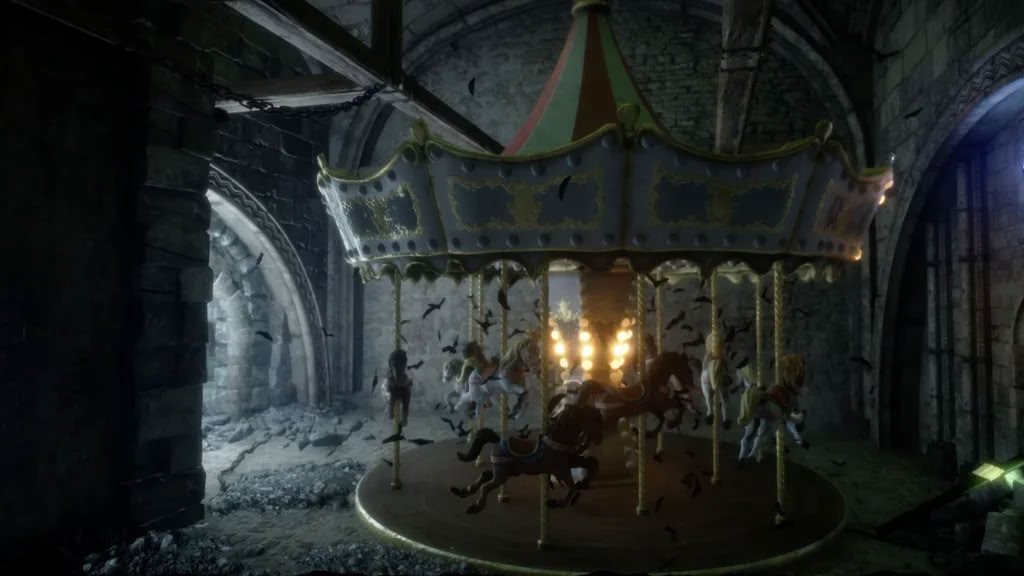
Beyond the Dark: Nightwatch isn't without good ideas. On the contrary, its asymmetrical co-op gameplay provides an interesting foundation and occasionally delivers moments that make it worth giving a chance. However, poorly balanced AI, a monster that gets stuck, unreliable surveillance cameras, repetitive gameplay, and a disappointing finale prevent it from reaching its full potential.
If you have a friend who's up for trying something different from the usual horror game formula, there are some worthwhile moments to be found here. Just be prepared to exercise plenty of patience, especially when technical problems begin to interfere with the experience. Beyond the Dark: Nightwatch demonstrates that a good idea can be the foundation of an interesting game, but even the most promising concept can't carry an entire experience without solid execution.
Ako tražite povoljnije cene za igre, DLC-ove i druge digitalne proizvode, posetite Eneba i pogledajte aktuelnu ponudu.
Pre kupovine obavezno unesite naš promo kod BUFFGAMING i ostvarite dodatnih 5% popusta.
Kupi igre, poklon-kartice i dopune povoljnije