
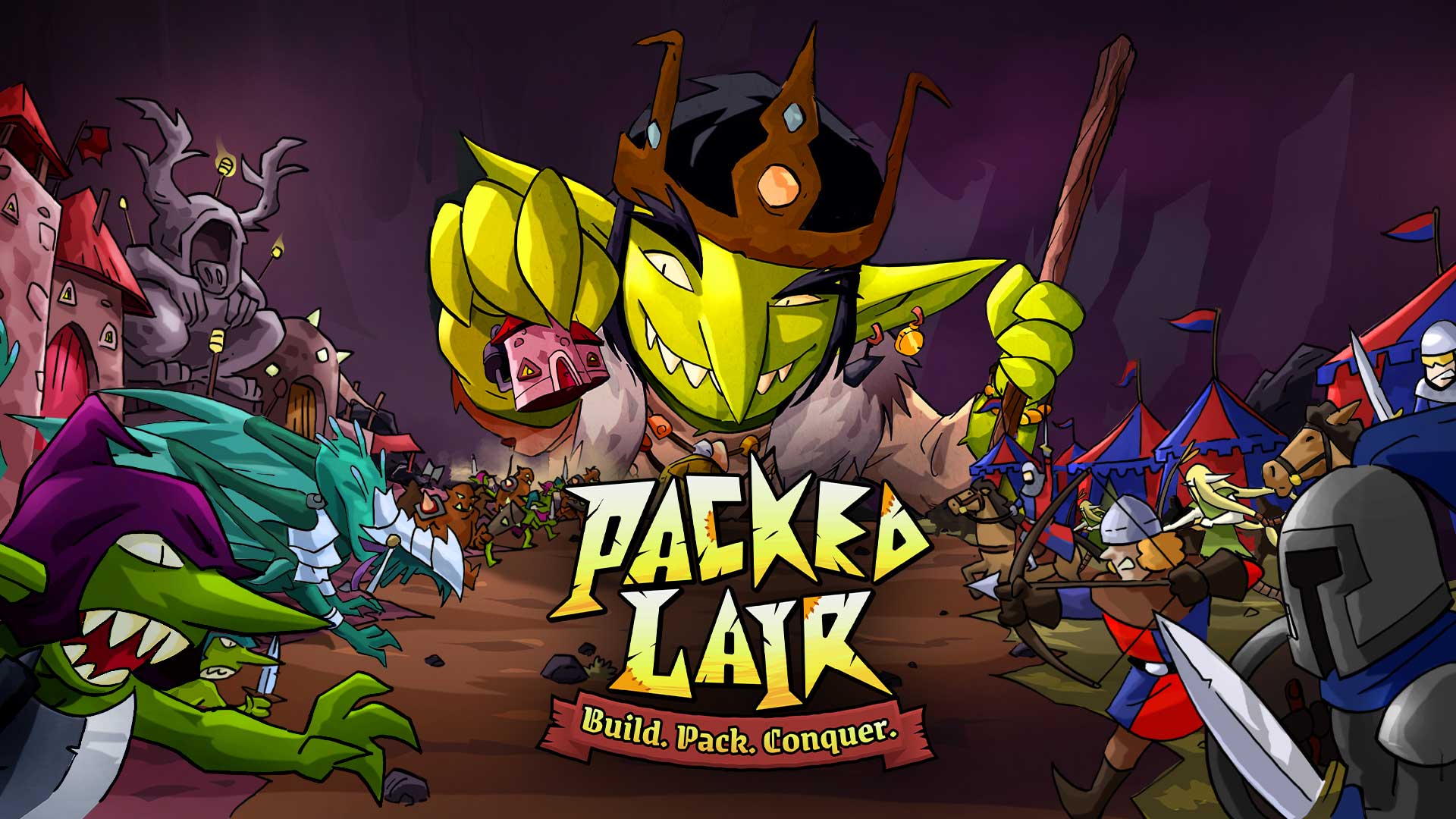
Packed Lair: Packed Lair takes the simple idea of limited space and turns it into the foundation of an engaging strategy system. The combination of building placement, synergies, roguelike progression and auto-battler combat gives you plenty of room to experiment and optimize your lair. – NikolaOtasevic
There are strategy games where you have a huge space to build, dozens of options and enough room to arrange everything exactly the way you want. Packed Lair does the opposite. Here, you never have enough space, and that limitation is what creates most of the gameplay.
In the game, you take on the role of an underground lair's master, dealing with one particularly annoying problem – heroes who constantly try to invade your kingdom. Instead of dealing with them directly, your job is to build the most efficient base possible, place buildings in the right positions, produce enough resources and create an army capable of dealing with waves of heroes on its own. That idea alone makes Packed Lair much more interesting than you might initially expect from what looks like another charming strategy game.
Every Square Needs a Purpose
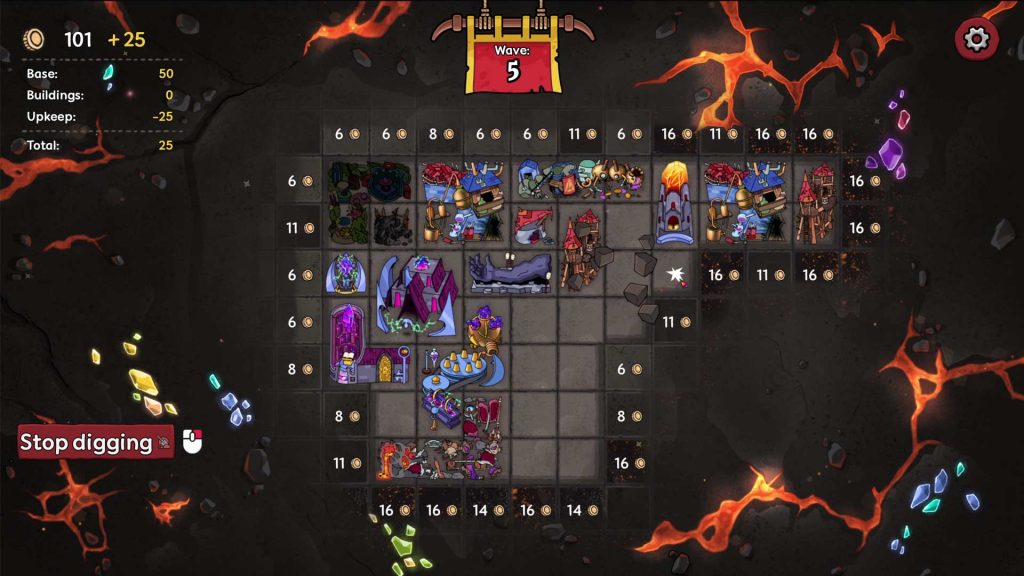
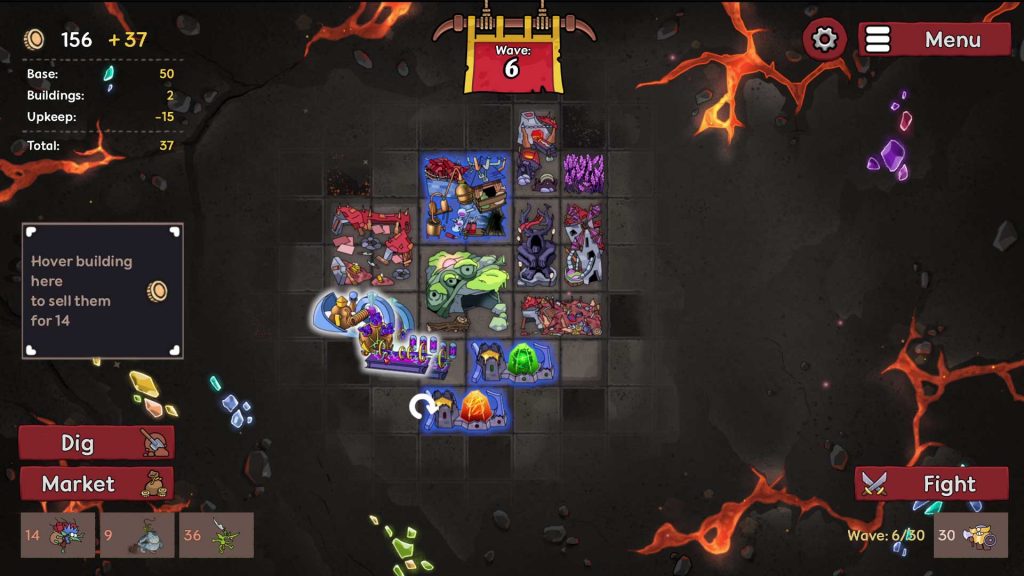
The foundation of the game is fairly simple. You are given different buildings that need to be placed inside your lair, but space is limited, meaning you cannot simply arrange everything however you want.
Buildings can be rotated and connected, while their positioning can create different synergies. Some produce gold, others create units, while certain buildings improve your army or unlock new options for development. The goal is to turn a small amount of space into the most efficient machine possible.
This is where Packed Lair becomes interesting. It is not enough to get a good building – you also have to think about where you are going to put it. If you place it in the wrong position, you may end up wasting valuable space that could become much more useful later.
Because of that, every new building can change the plan you had up to that point.
When Chaos in the Lair Becomes a System
At first, it is easy to simply try to fill the available space and create as many units as possible. However, once you start understanding the relationships between buildings, things become much more interesting.
The real value comes from discovering synergies. One building might be average on its own, but when combined with several others, it can become a crucial part of your entire strategy. Because of this, Packed Lair constantly encourages you to think several steps ahead.
That is also the part of the game I like most about the concept itself. You are not simply building a base – you are trying to create the most efficient combination of everything available to you.
And when space is limited, every mistake becomes much more obvious.
Your Army Doesn't Wait for You to Give Orders
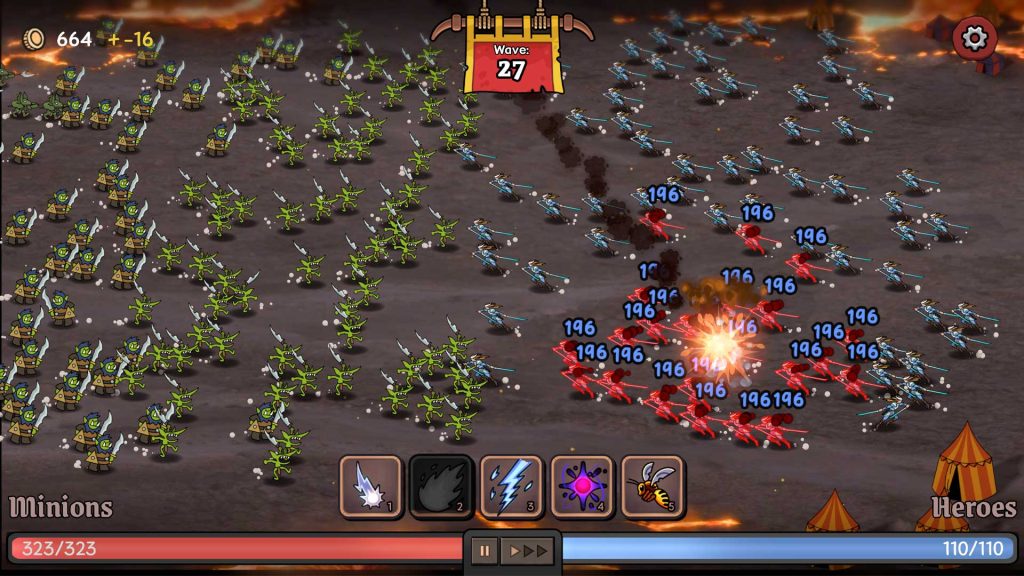
Once you finish arranging your lair, it is time to find out whether your plan actually worked. Your goblins, shamans, dragons and other monsters head into battle and automatically fight against waves of invading heroes.
At first, this might make it seem like the player does not have much to do during combat, but Packed Lair still gives you some control through spells that can be used during battles. These can change the course of a fight, disrupt enemies or help your units when things start getting out of control.
Because of this, combat is not completely passive. Most of the important decisions are made before the battle even begins, through building placement, unit selection and the synergies you have created. Once the doors of your lair close and the heroes begin their attack, you are essentially watching the result of all the decisions you made beforehand.
Every Attempt Brings Something New
Packed Lair uses a roguelike structure, meaning that every run develops somewhat differently. During new attempts, you gain access to new buildings, new combinations and new possibilities for creating a more efficient base.
This is important because a system like this would quickly lose its appeal if you could simply discover one perfect combination after a few runs and repeat it forever.
Instead, the game forces you to adapt to what you receive. Sometimes you will have an excellent foundation for a particular type of army, while other times you will have to completely change your plan because the buildings simply do not fit together the way you expected. That is why failure does not necessarily feel like wasted time. The next attempt can be an opportunity to apply what you learned and create a much better lair.
The Charming Chaos of an Evil Lair Master
The visual style of Packed Lair fits its concept quite well. The hand-drawn 2D look, colorful monsters and slightly cartoonish design give the game enough personality to make the whole story about an evil lair master who simply wants the heroes to leave him alone feel less serious.
And that is actually a good choice. The game has quite a few systems that require you to think carefully, so it benefits from presenting them through a simple and fun visual style. There is also a certain amount of humor in the way the heroes and your monster army are presented. The game essentially puts you in the role of a villain who just wants to protect his property from people who keep showing up to “save” him.
The Problem That Could Become Its Biggest Strength
What will ultimately determine how successful Packed Lair can be is the balance between limited space, available buildings and synergies.
When the game gets that balance right, every new building can trigger that satisfying moment of thinking: “Wait, if I put this here, I can move this over there, which gives me another synergy…”
That is when Packed Lair works at its best. Because at that point, you are no longer thinking only about what you currently have. You are trying to imagine what your entire lair could look like several moves later. And that is exactly why the game has the potential to be much more addictive than its simple visual style might suggest.
Conclusion
Packed Lair takes several familiar ideas – base building, inventory management, roguelike progression and auto-battler combat – and brings them together around one very simple idea: you never have enough space for everything you want to build.
That limitation is actually the heart of the entire game. Every building needs to have a purpose, every layout can change your strategy, and every new run gives you an opportunity to discover another combination.
With automated battles, spells that can be used during combat and progression through new buildings and synergies, Packed Lair feels like a game that could particularly appeal to players who enjoy strategic optimization and that satisfying moment when you finally manage to make all the different systems work together.
And when your small, overcrowded lair finally starts functioning like a well-oiled machine, you will probably realize that this chaos is exactly where the game's biggest charm lies.
The game was played on: PC.
Score: 8/10